Blog article
Things to do in Riyadh
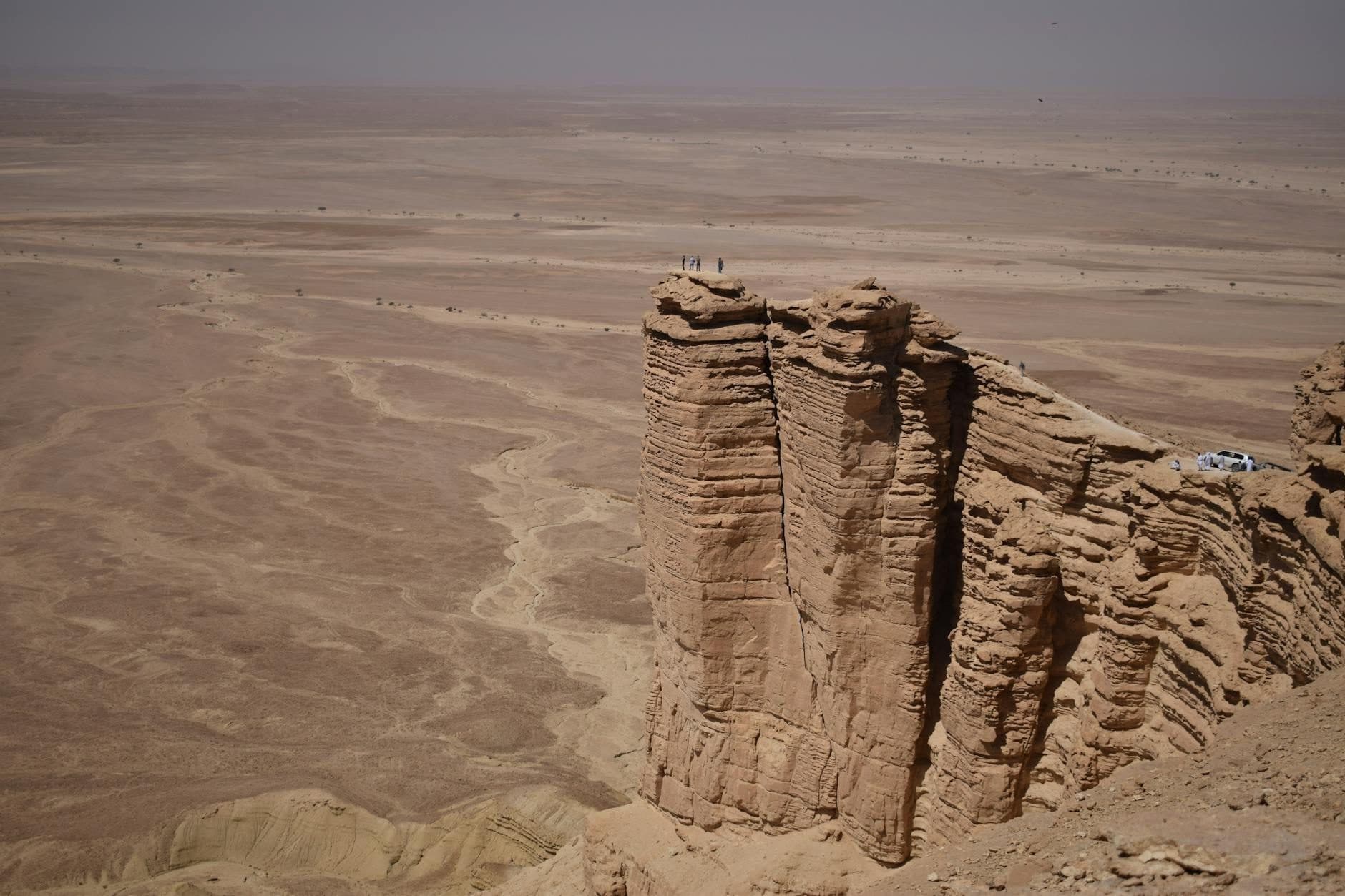
The National Museum, Al Masmak, At-Turaif at Diriyah, Wadi Hanifa and the Tuwaiq escarpment - what each takes and where it sits.
What is in each place, and how long it needs.
The National Museum, Al Masmak, At-Turaif at Diriyah, Wadi Hanifa and the Tuwaiq escarpment - what each takes and where it sits.
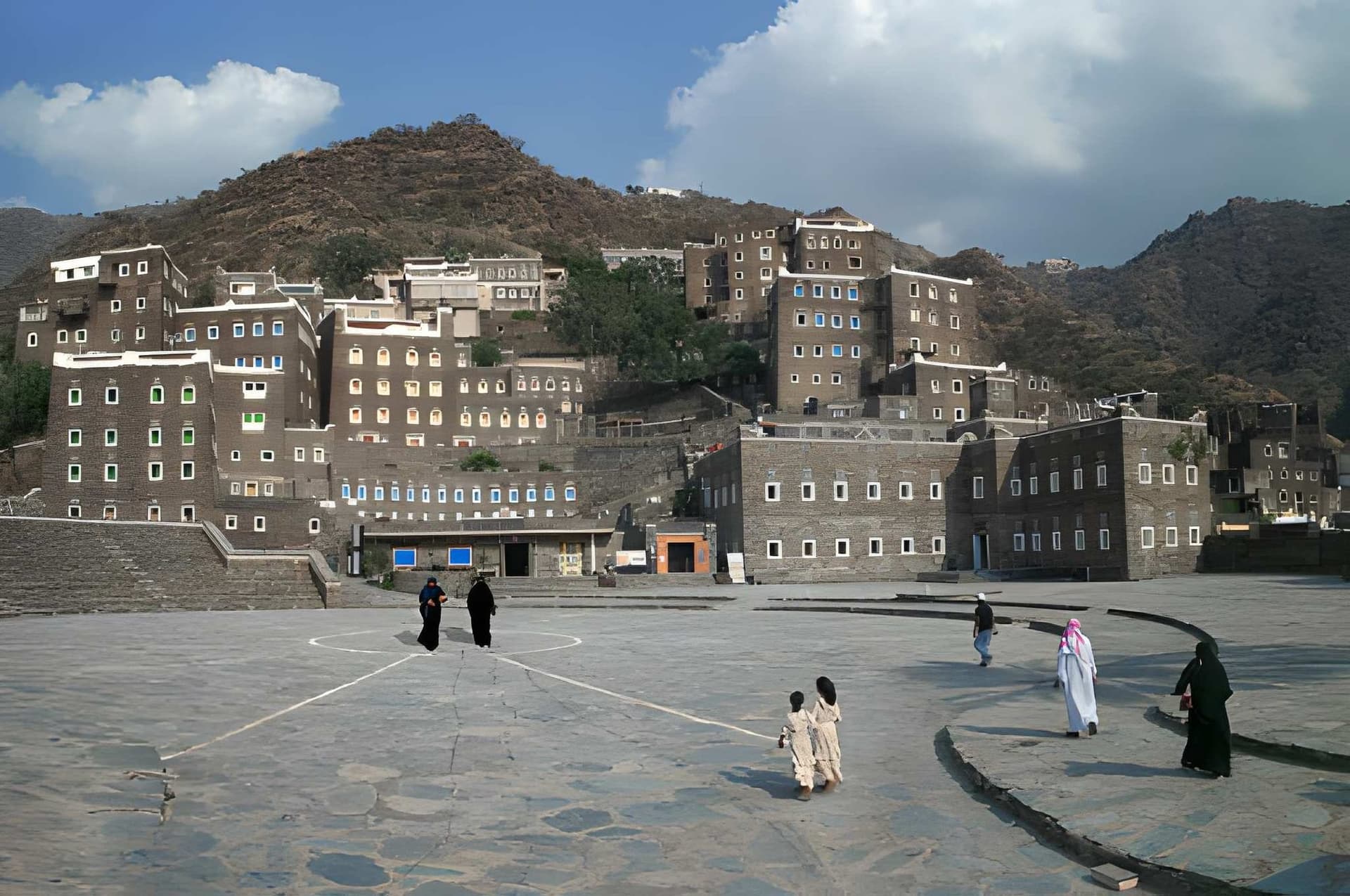
Around Abha: cable cars down the escarpment, Asir National Park trails, Al Habala, Al Soudah and the painted village of Rijal Almaa.
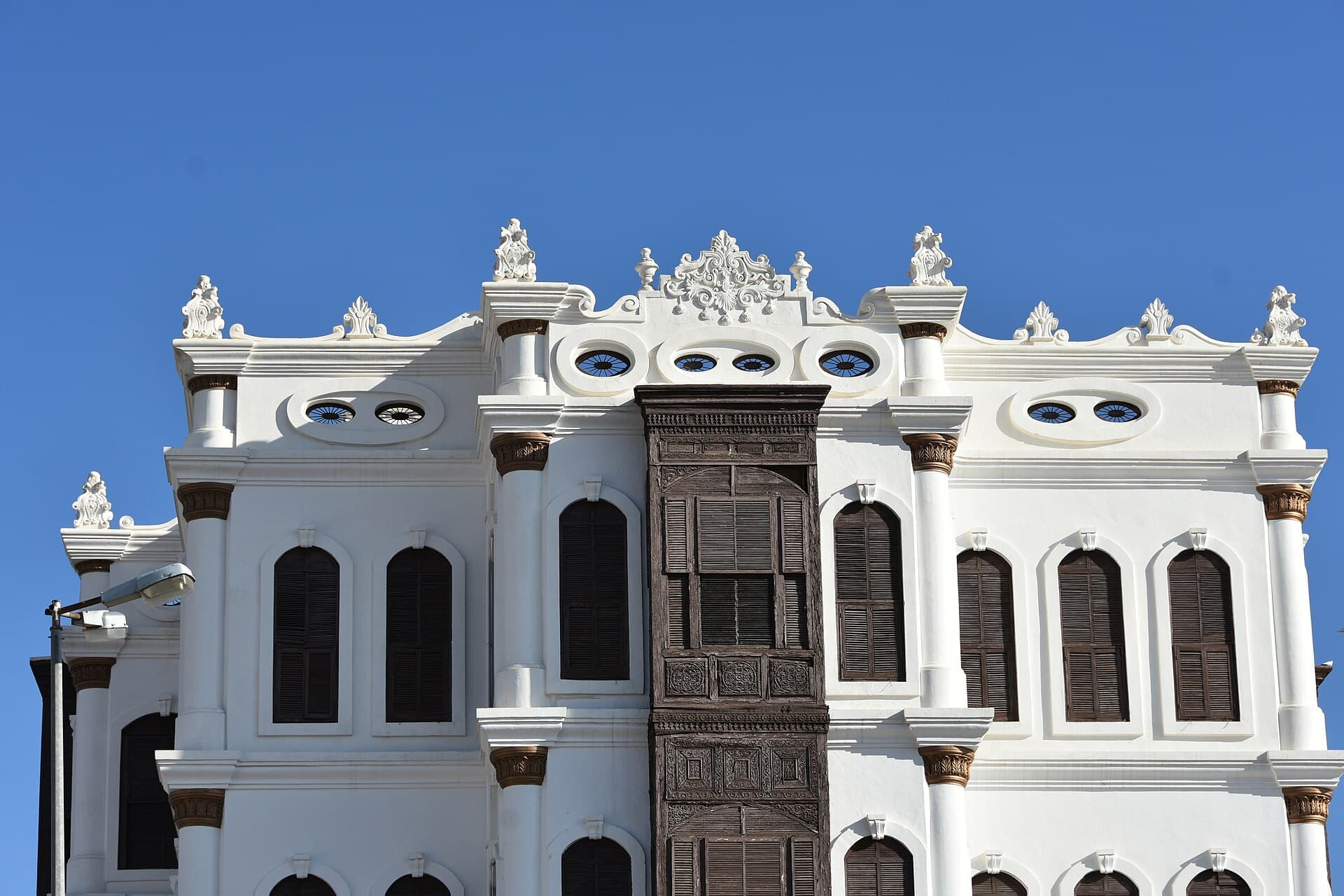
Taif divides into the roses and the mountains: rose farms, the Al Hada road and cable car, Al Shafa, and the Al Wahbah crater.
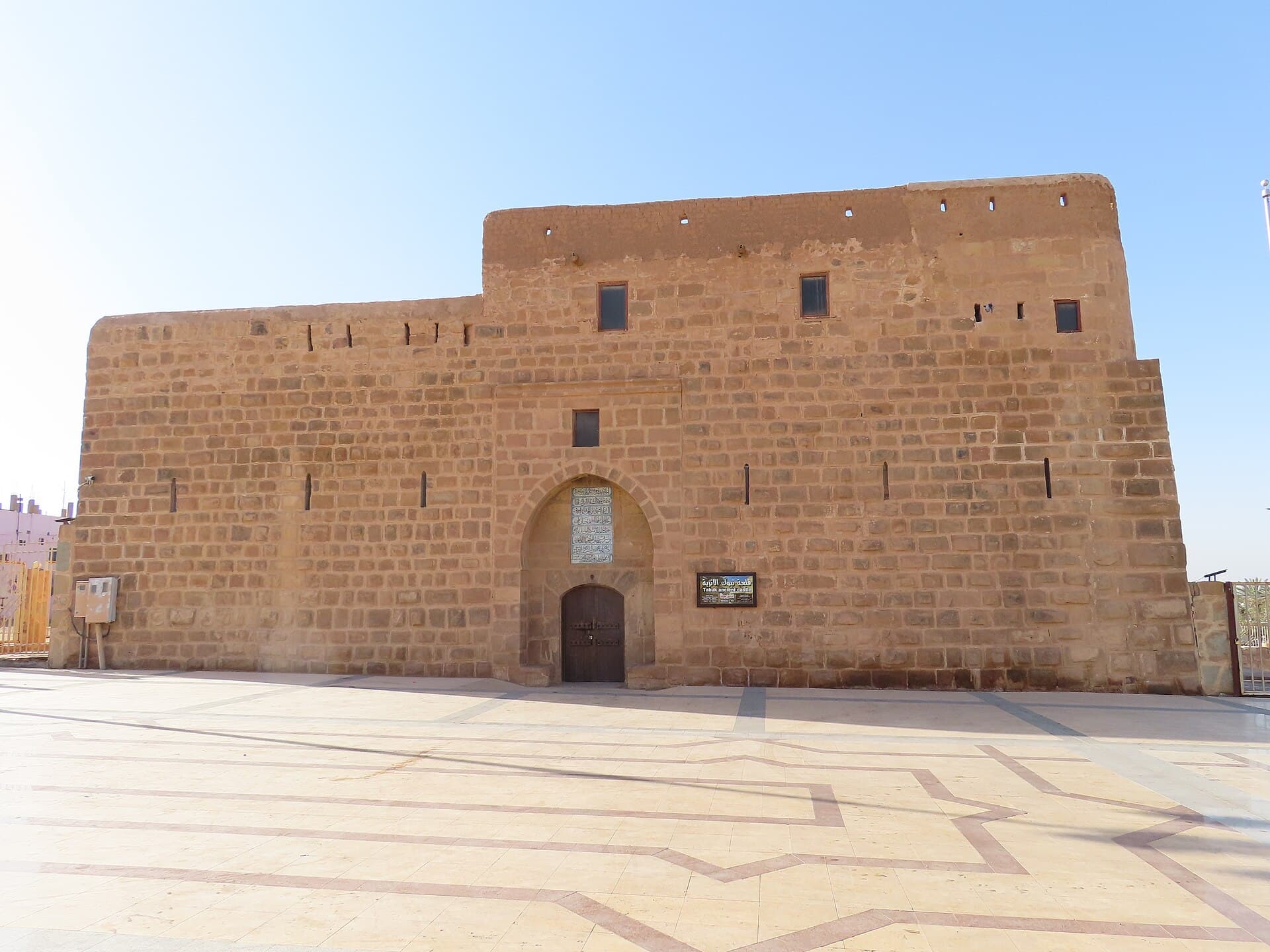
Tabuk is Saudi Arabia's north-west: a 1559 castle and a Hejaz Railway station in the city, sandstone canyon country and Red Sea coast beyond it.
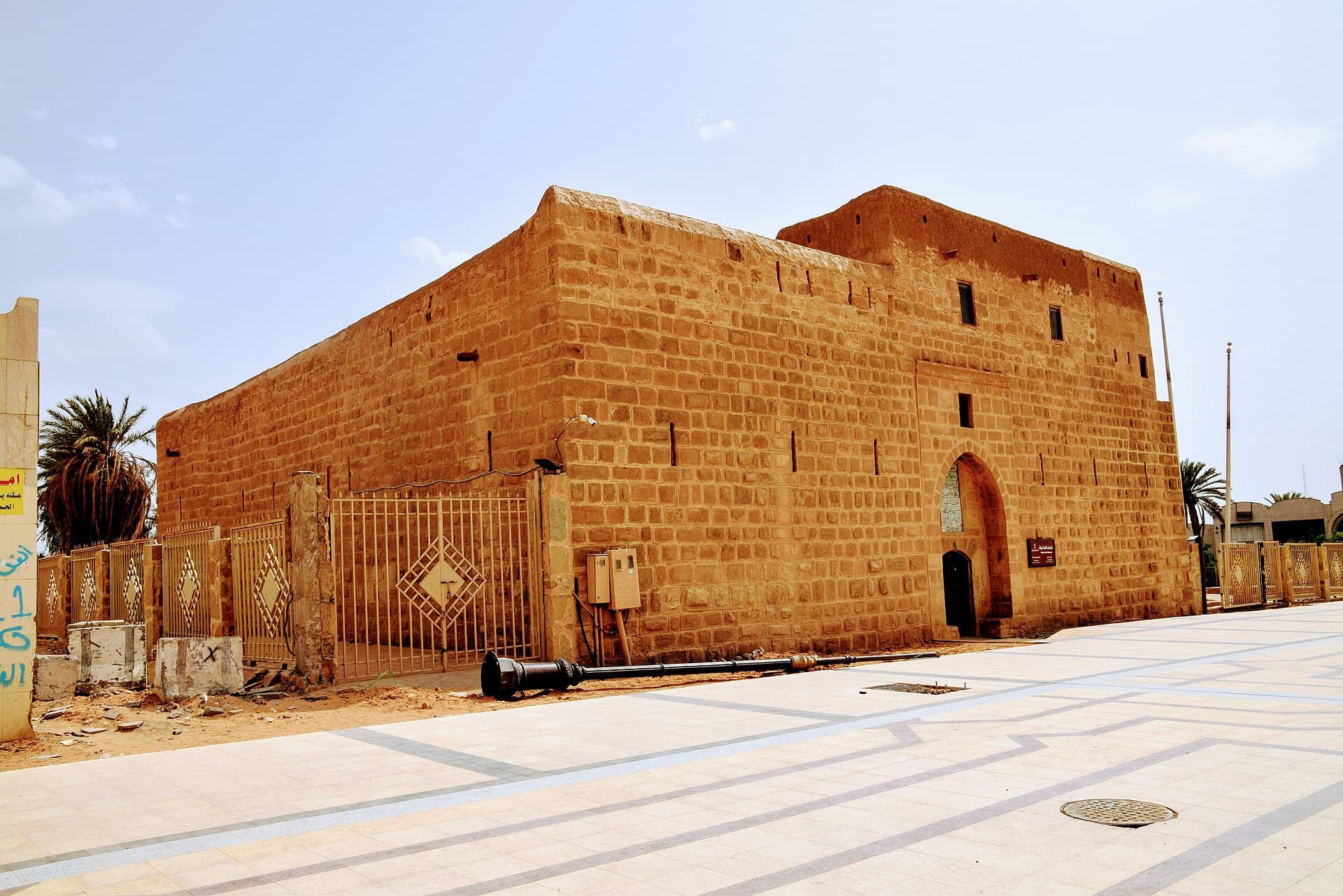
The 1559 castle, the Hejaz Railway station, the old centre at Al-Tawbah Mosque, the parks, and the canyon country outside the city.
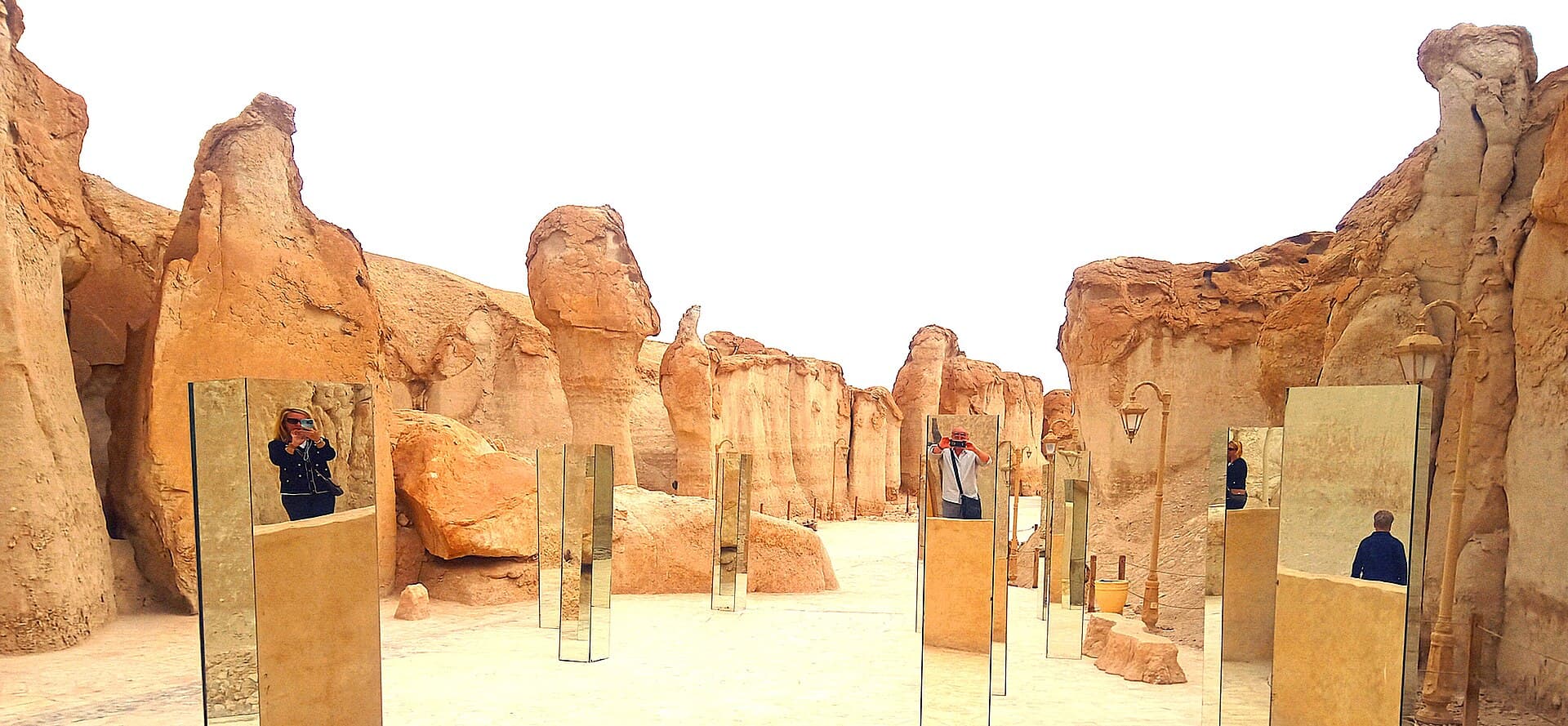
Al Ahsa is the largest oasis in the world by palm count and a UNESCO World Heritage cultural landscape in Saudi Arabia's Eastern Province.
Walk the World Heritage oasis, go into the 28 caverns at Al Qarah, tour Qasr Ibrahim in Hofuf, and see Al Asfar Lake.
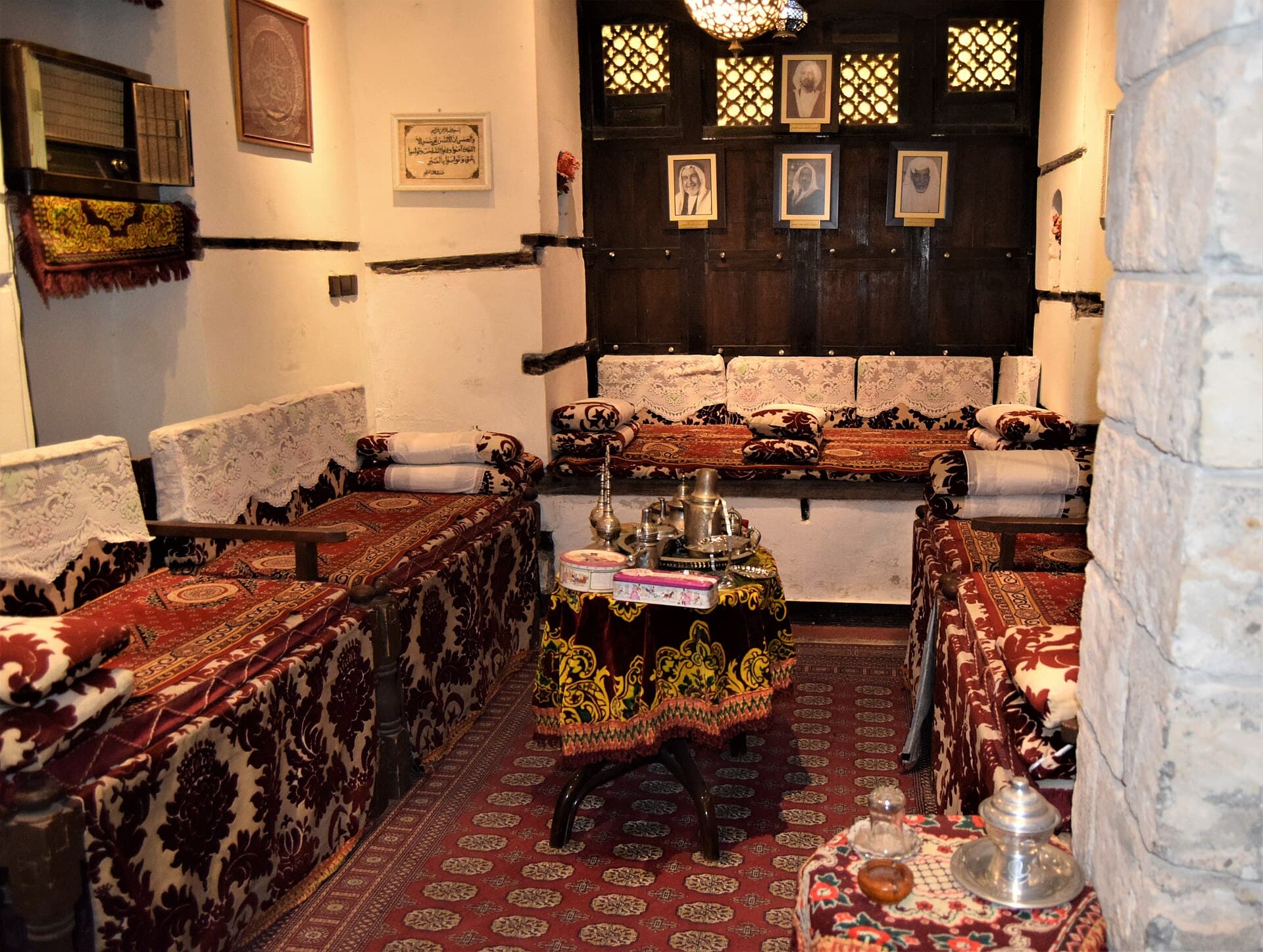
The core of Jeddah is Al-Balad, the coral-stone old town listed by UNESCO in 2014, the Corniche and the reefs offshore.
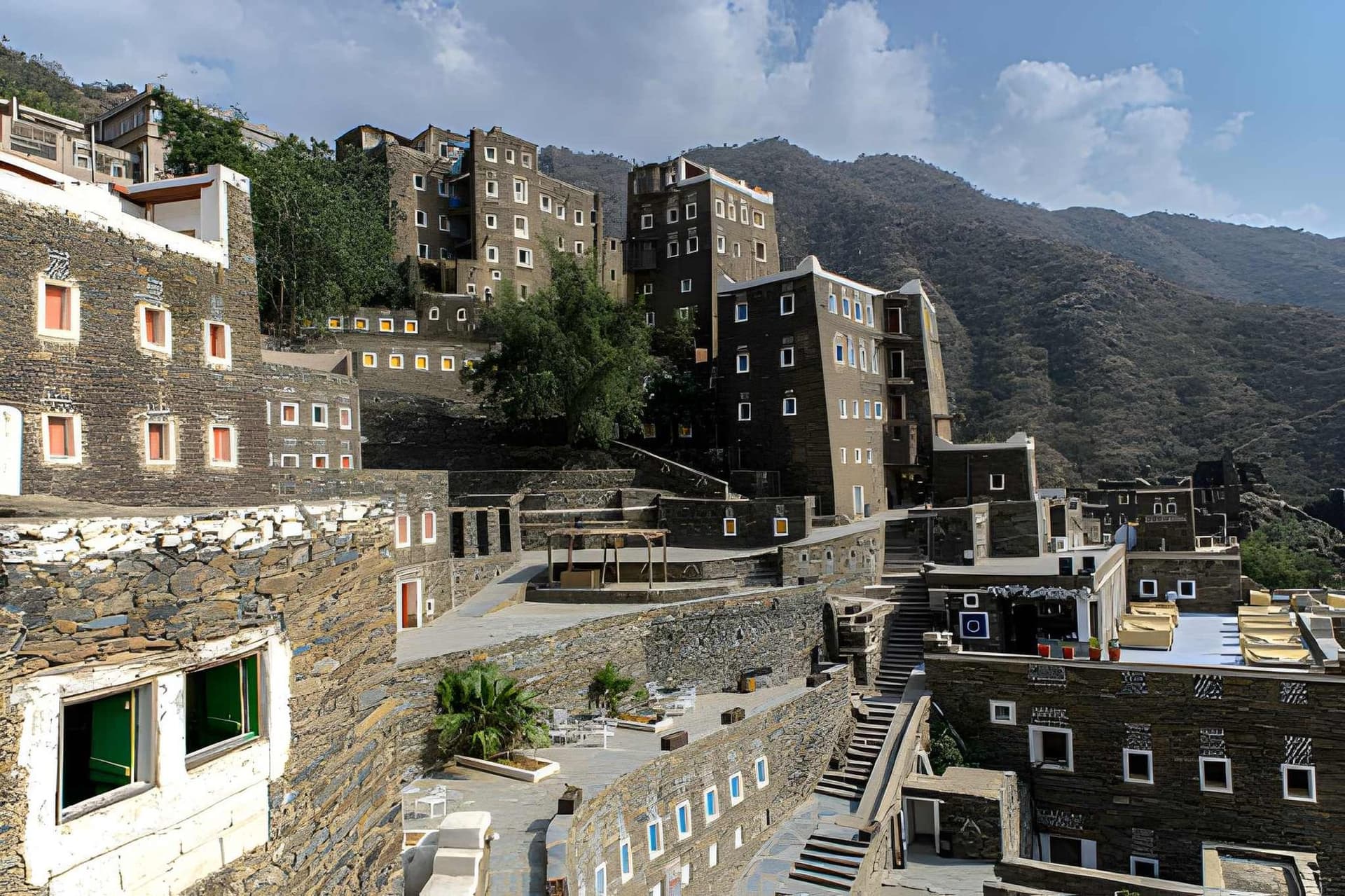
Abha is the main town of the Asir highlands, high enough in the mountains to stay cool, which is why summer is its high season.
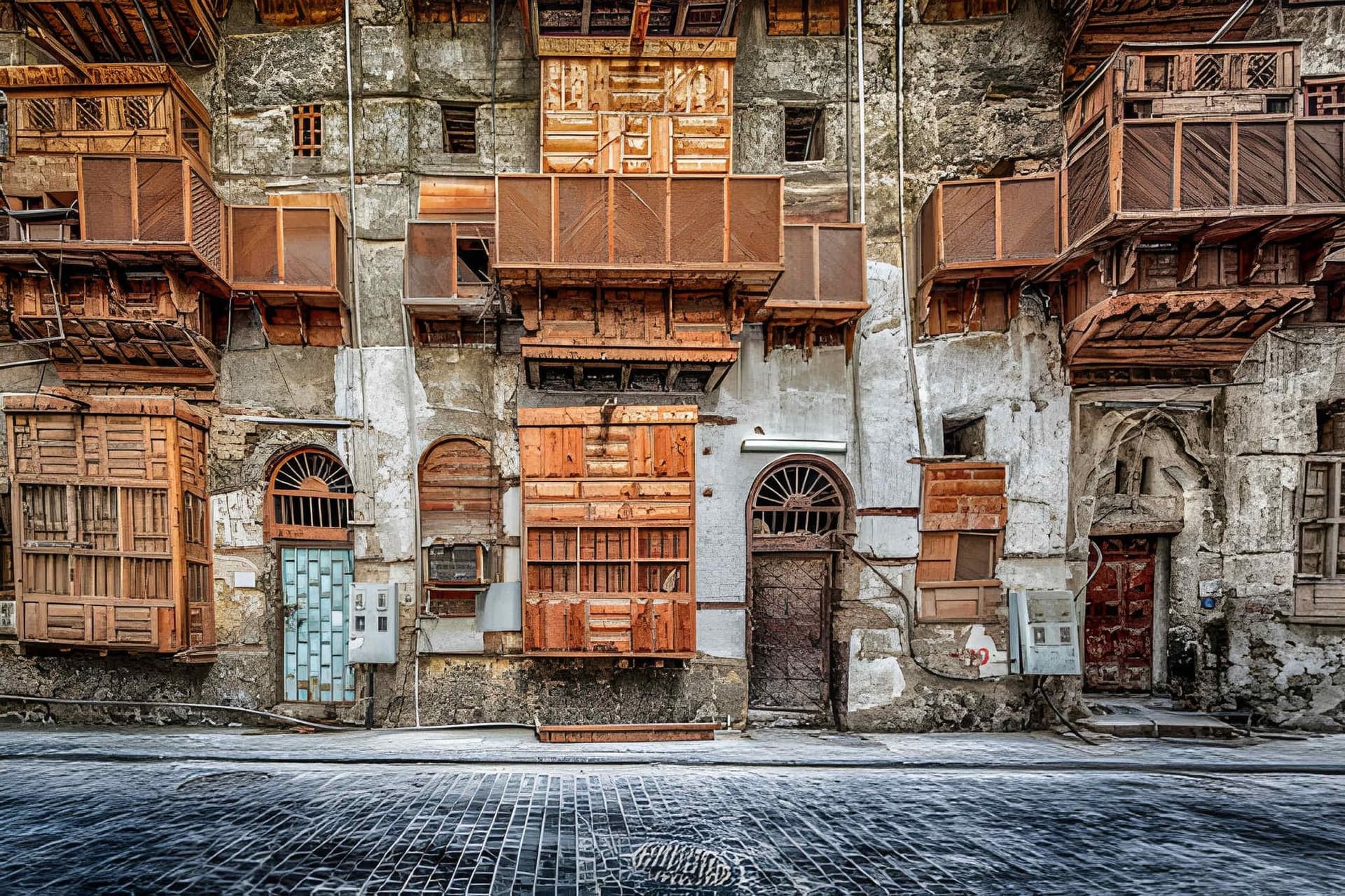
Al-Balad, the corniche and the Red Sea: what Jeddah is for, how long to stay and where the city leads next.
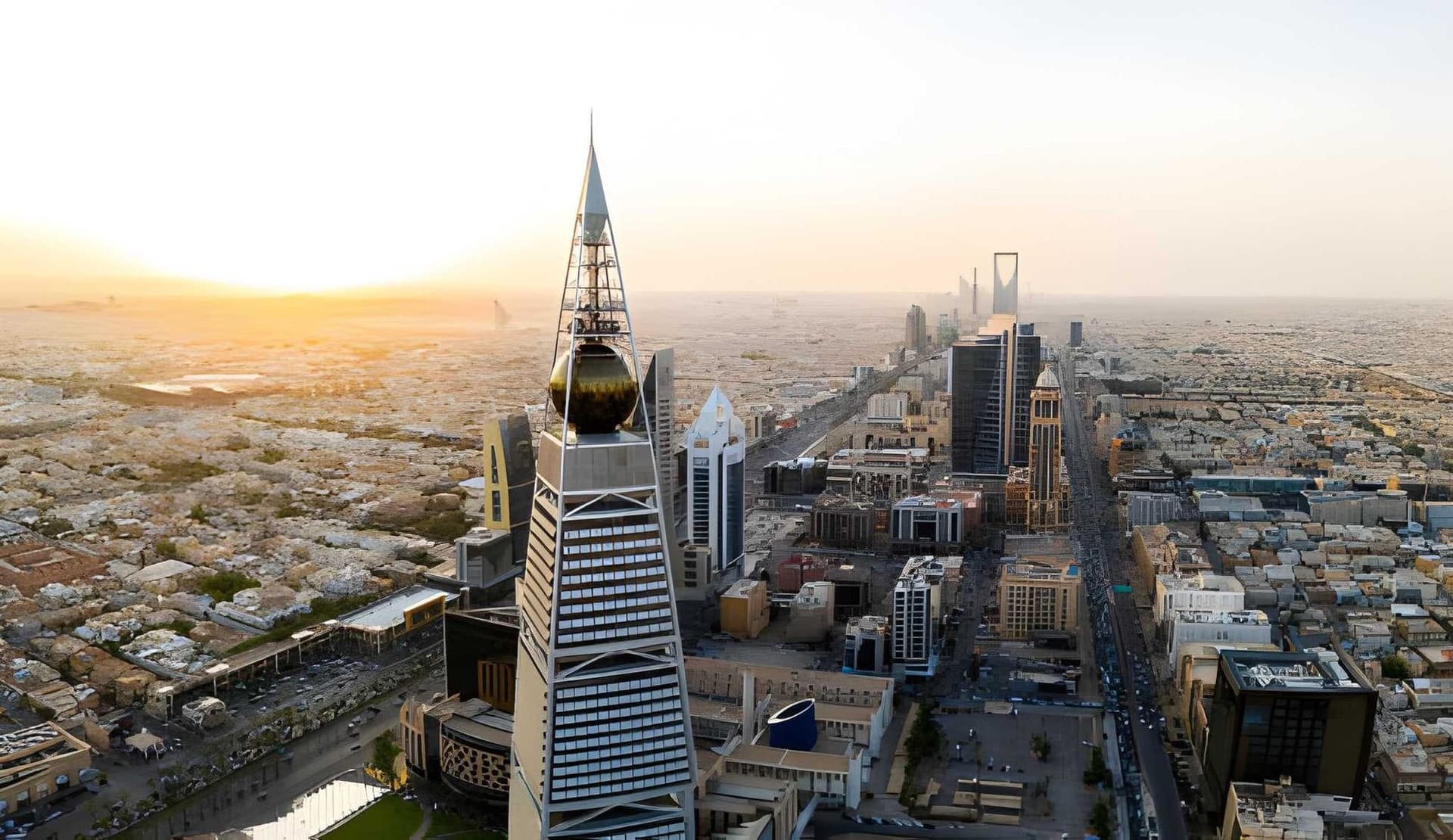
The capital in two or three days: the founding sites, Diriyah, the escarpment, and how to move around a city built for driving.
Taif is a mountain town in the Sarawat range east of Makkah, known for rose farms and air that stays mild when the lowland is at its worst.
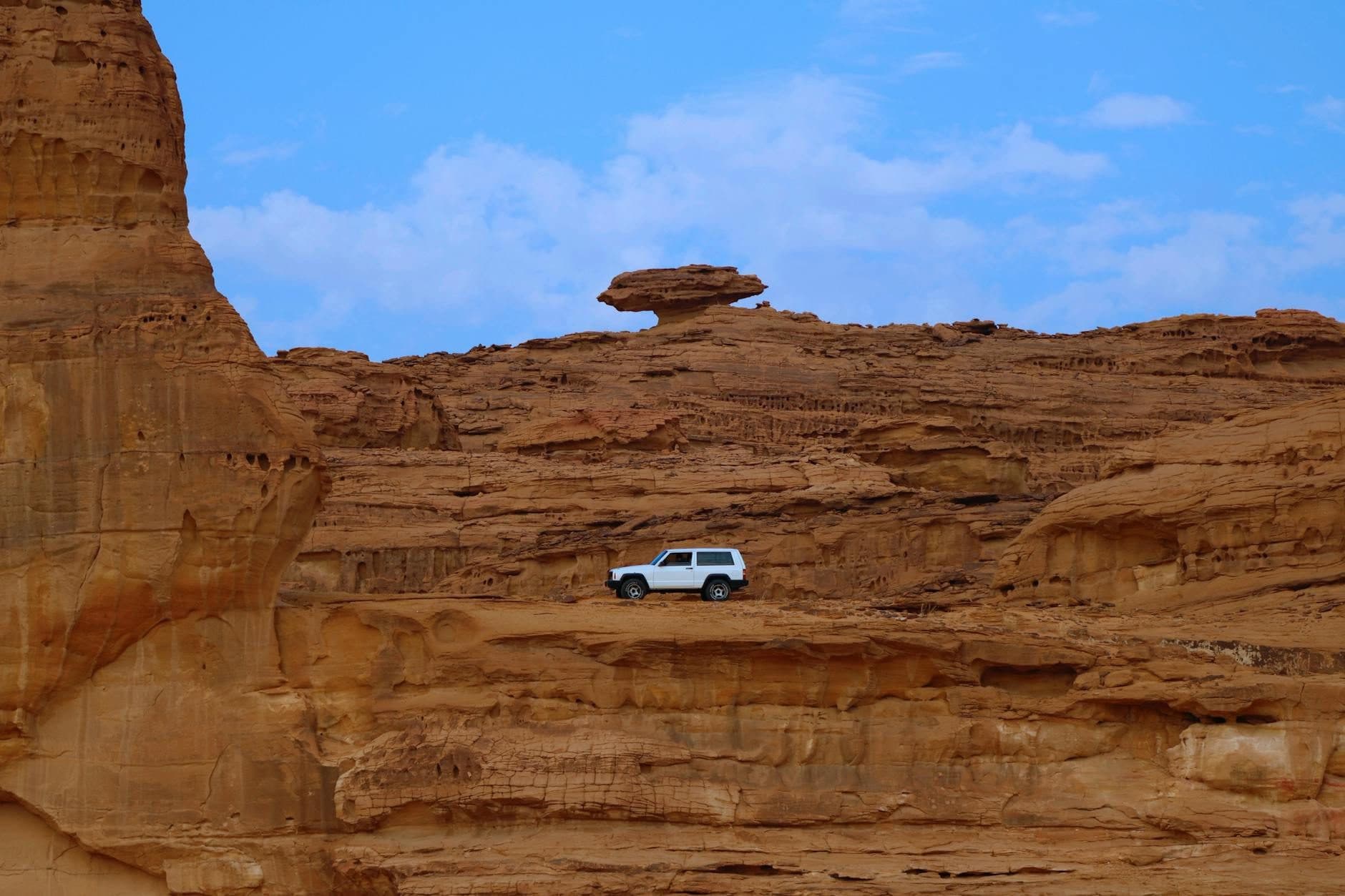
What AlUla is, the four sites that matter, when to go and how many days to give it on a first visit.
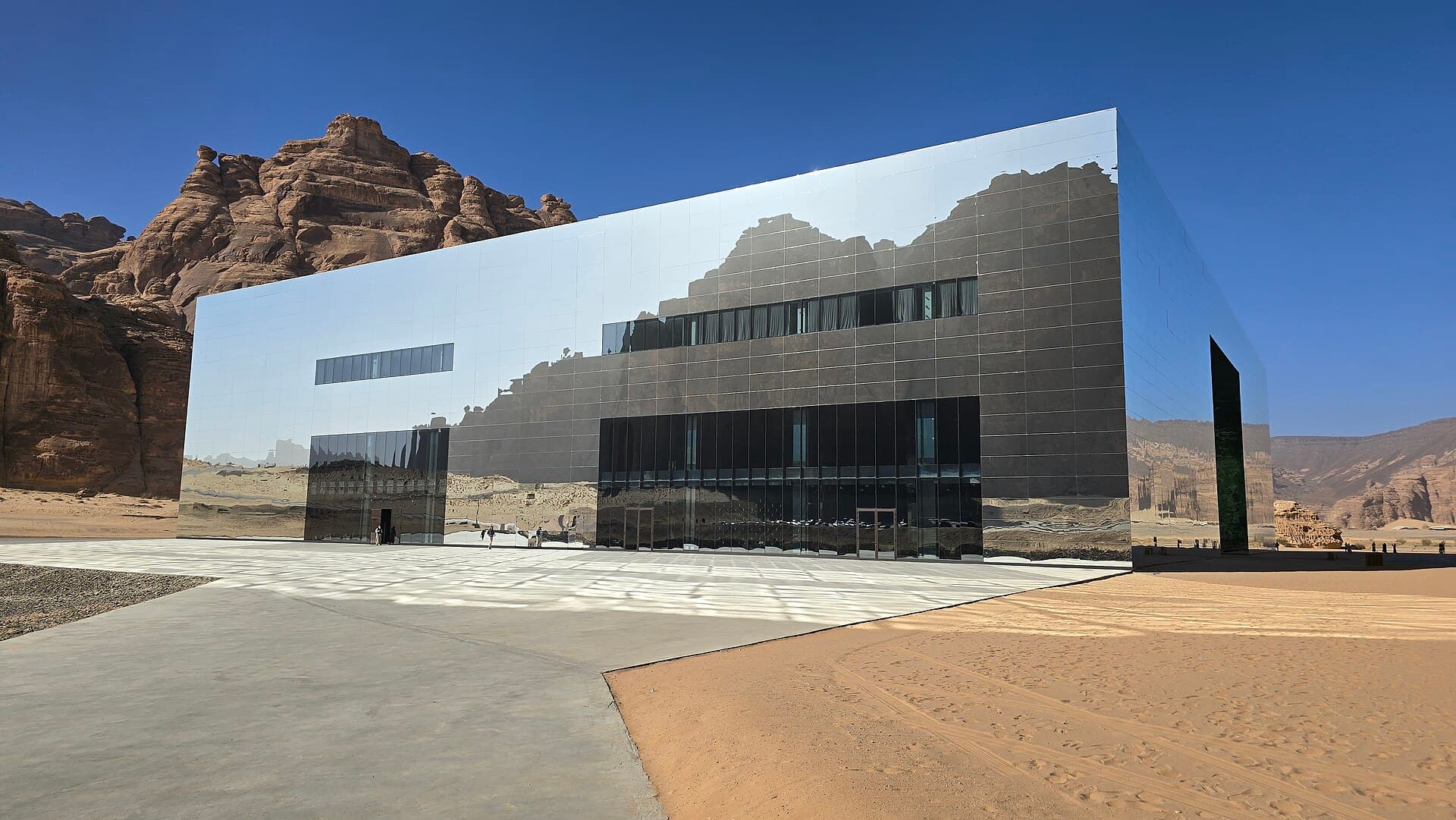
The four ancient sites, Elephant Rock, Maraya and the nature reserve - what each one is and how to get in.