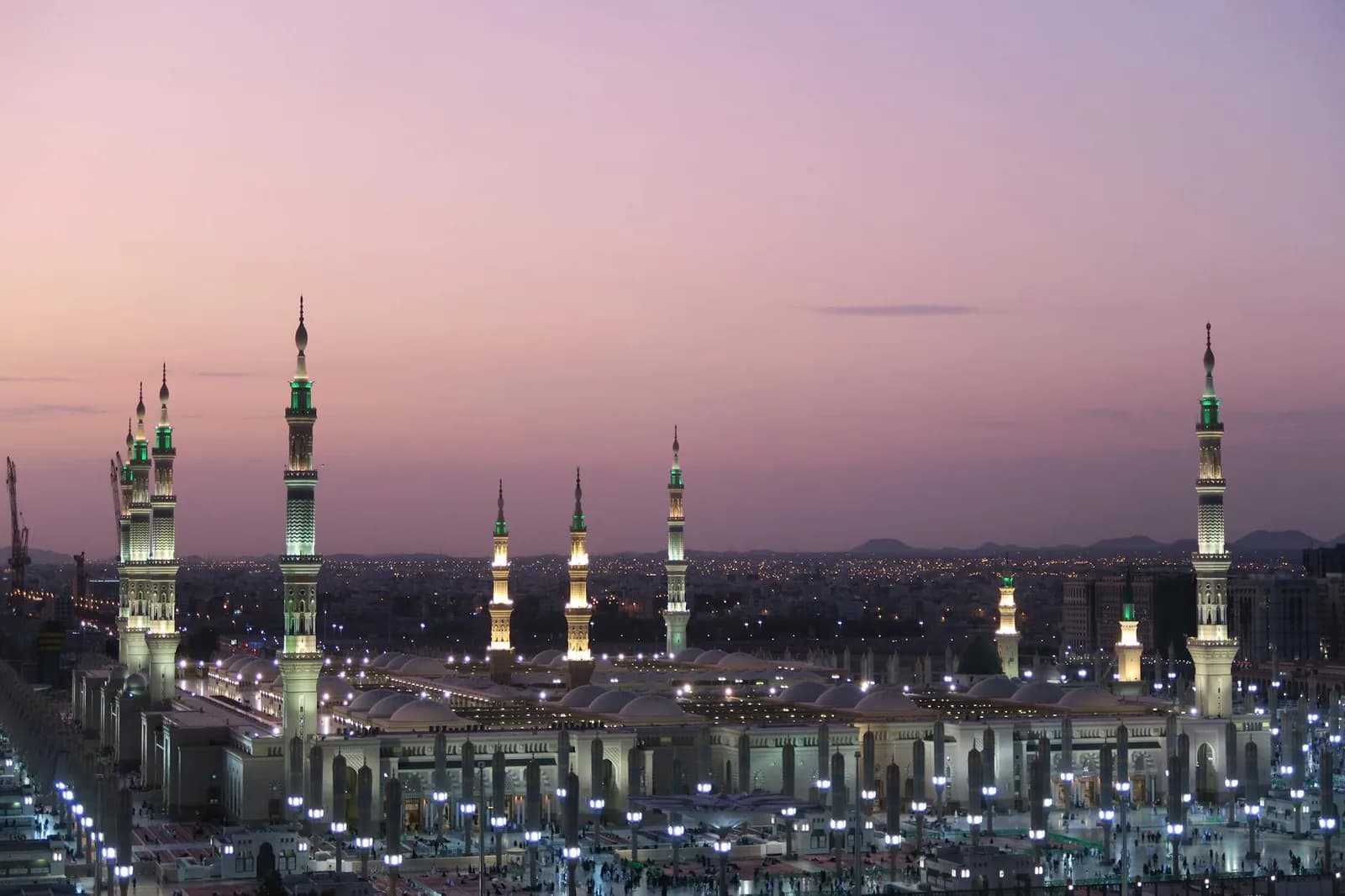
Driving from Jeddah to Madinah
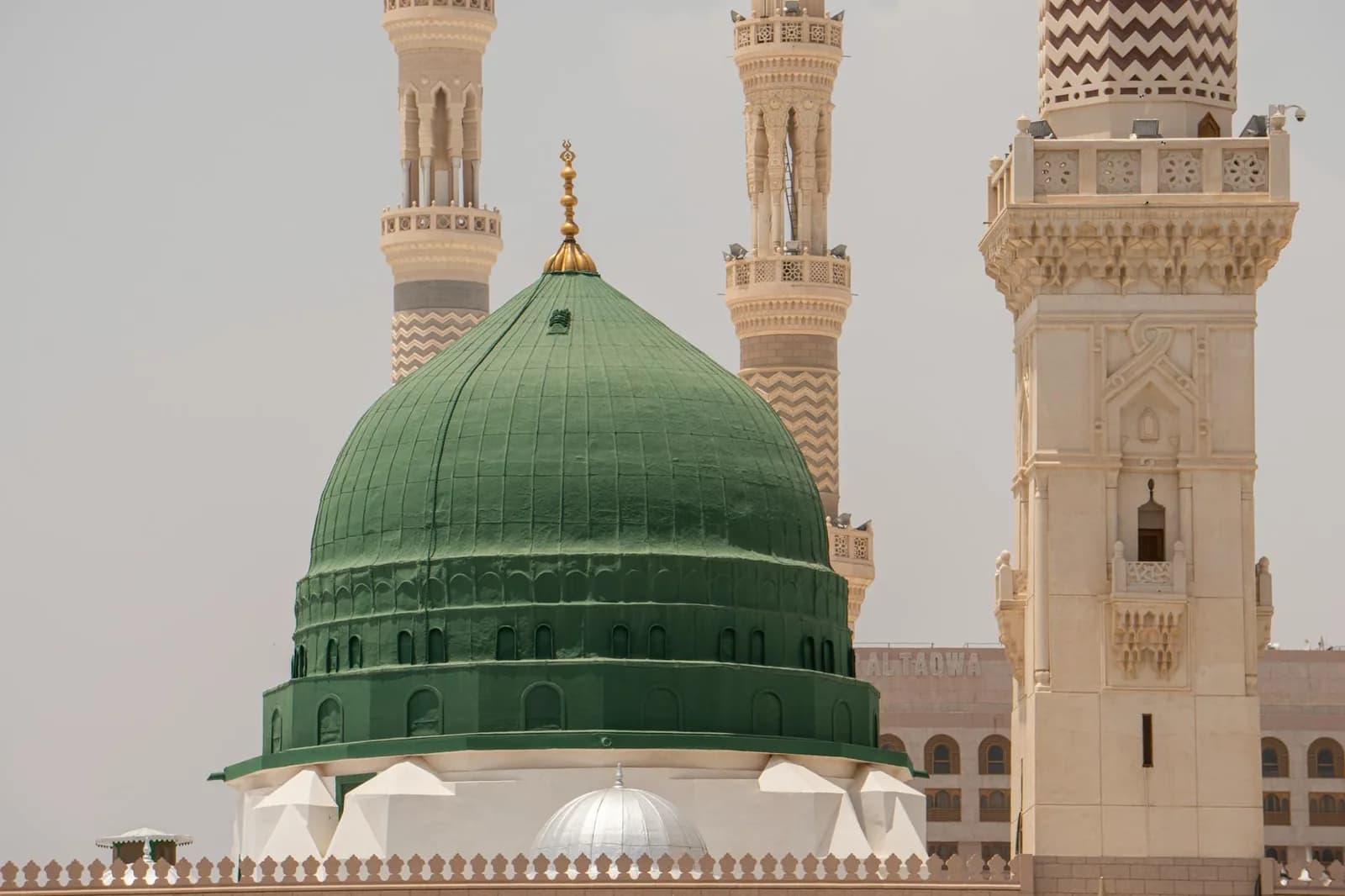
Road or high-speed rail, who can enter what once you arrive, and how to time a visit around prayer times and religious seasons.
Diriyah is about twenty minutes from central Riyadh, which makes At-Turaif a half day rather than a trip out of the city. Read More…
Road or high-speed rail, who can enter what once you arrive, and how to time a visit around prayer times and religious seasons.
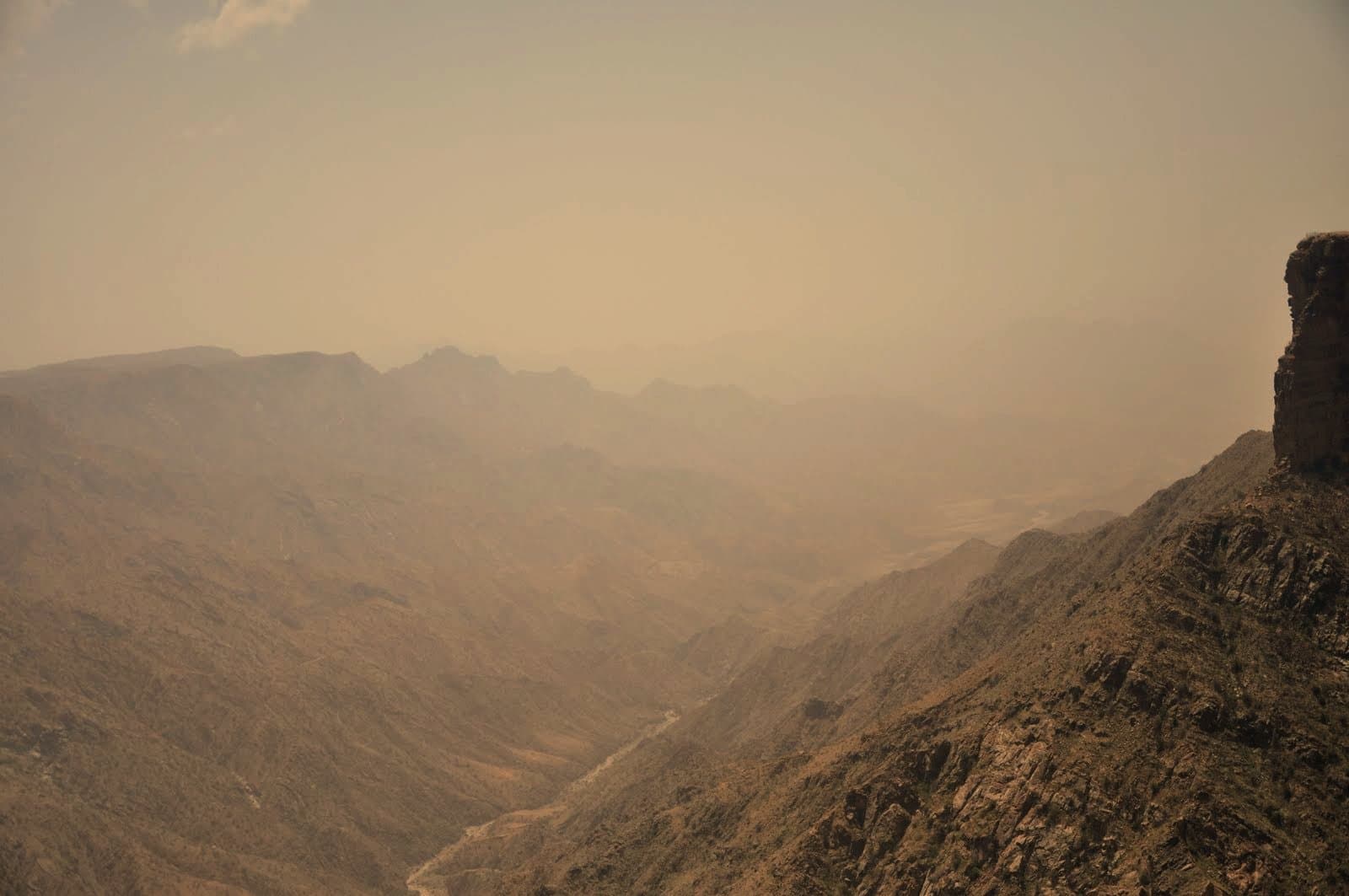
Off the Asir escarpment down to the Red Sea: what the road is worth stopping for, and when flying is the better call.
Out of the Asir mountains to the Yemeni border: what Najran holds, why so few travellers reach it, and how to shape the run.
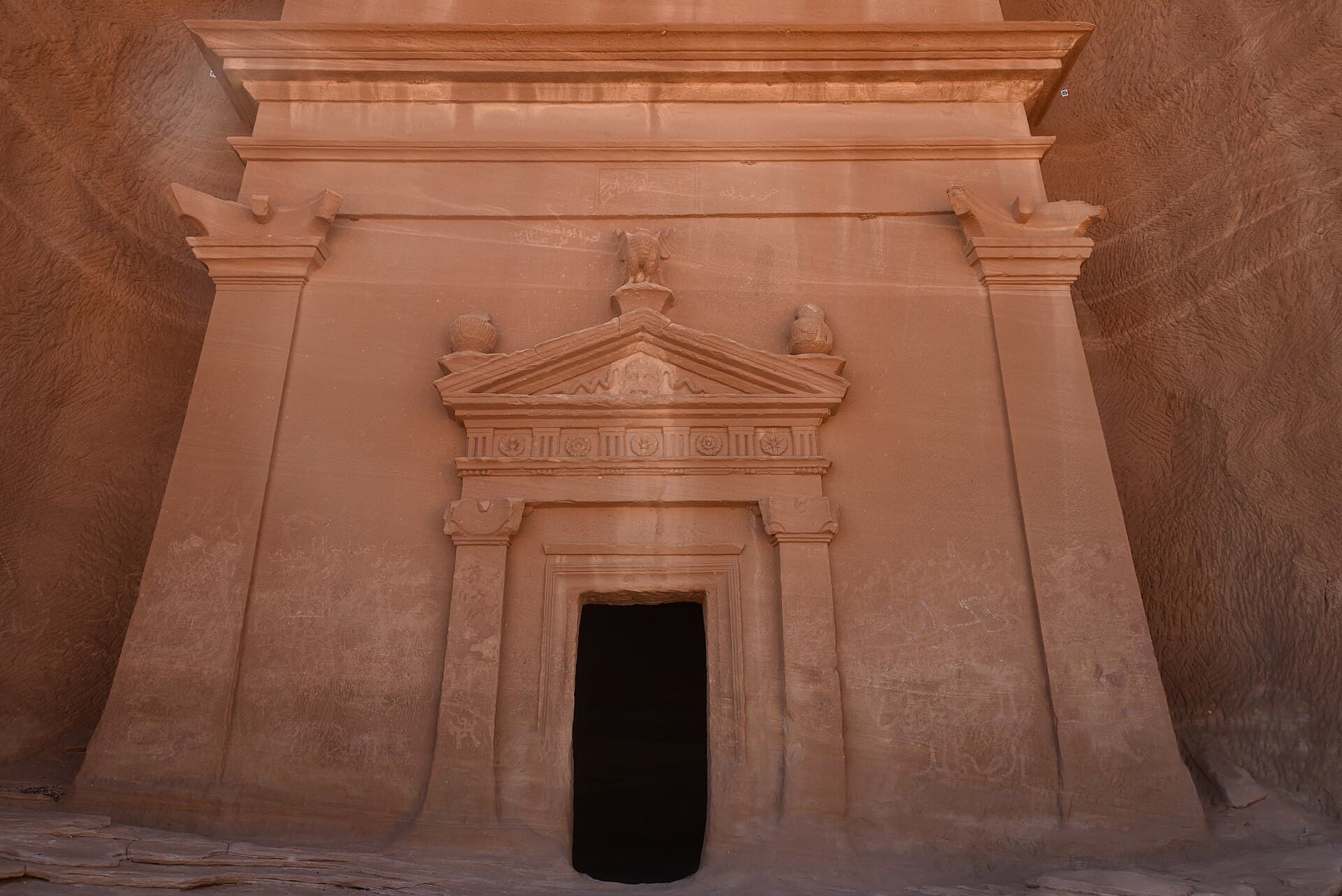
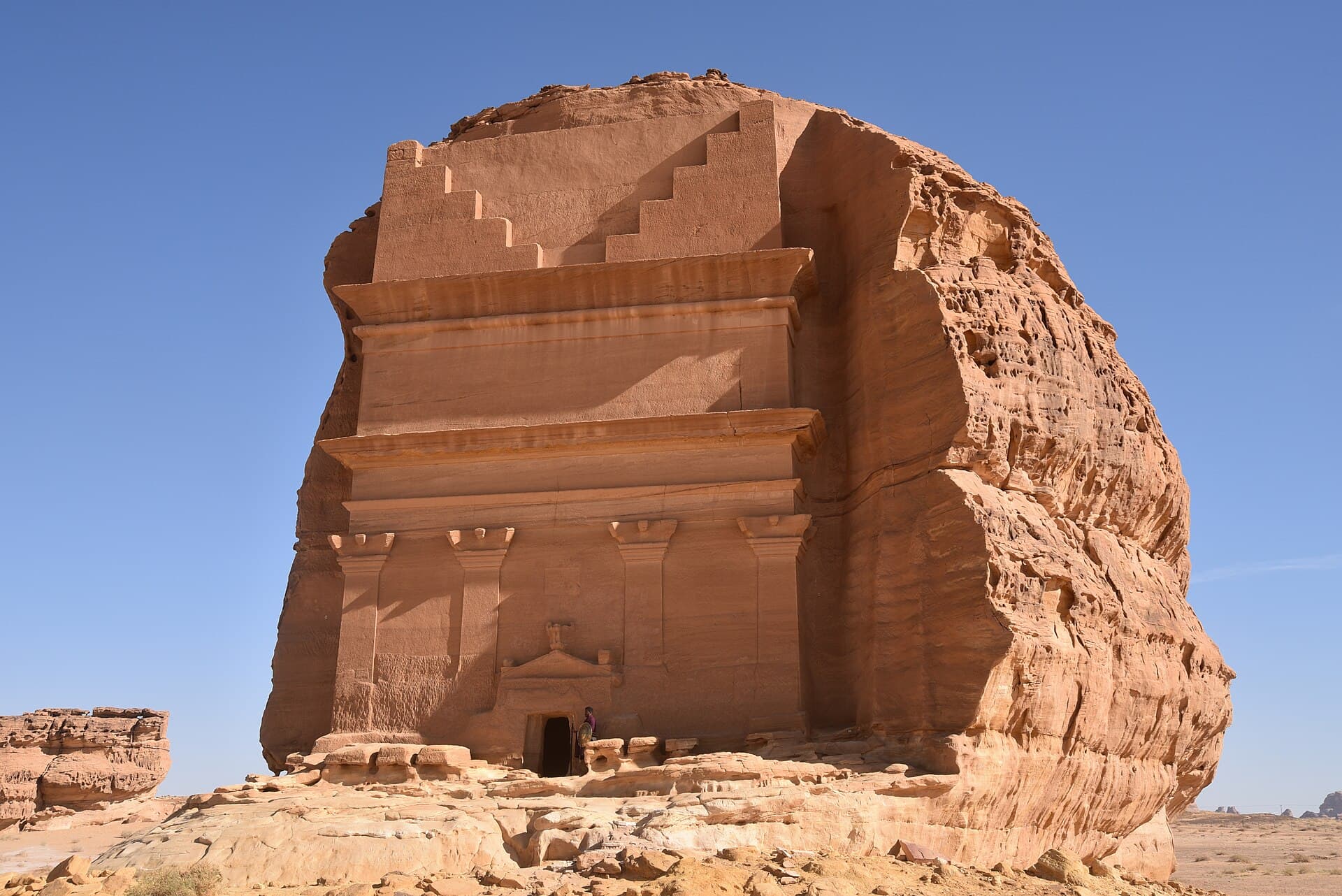
Hegra holds more than 110 Nabataean rock-cut tombs in AlUla and is entered only on a capped guided tour. Here is how a visit works.
Dadan was the capital of the Dadanite and Lihyanite kingdoms, and its tombs are cut almost 50 metres up an AlUla cliff face.
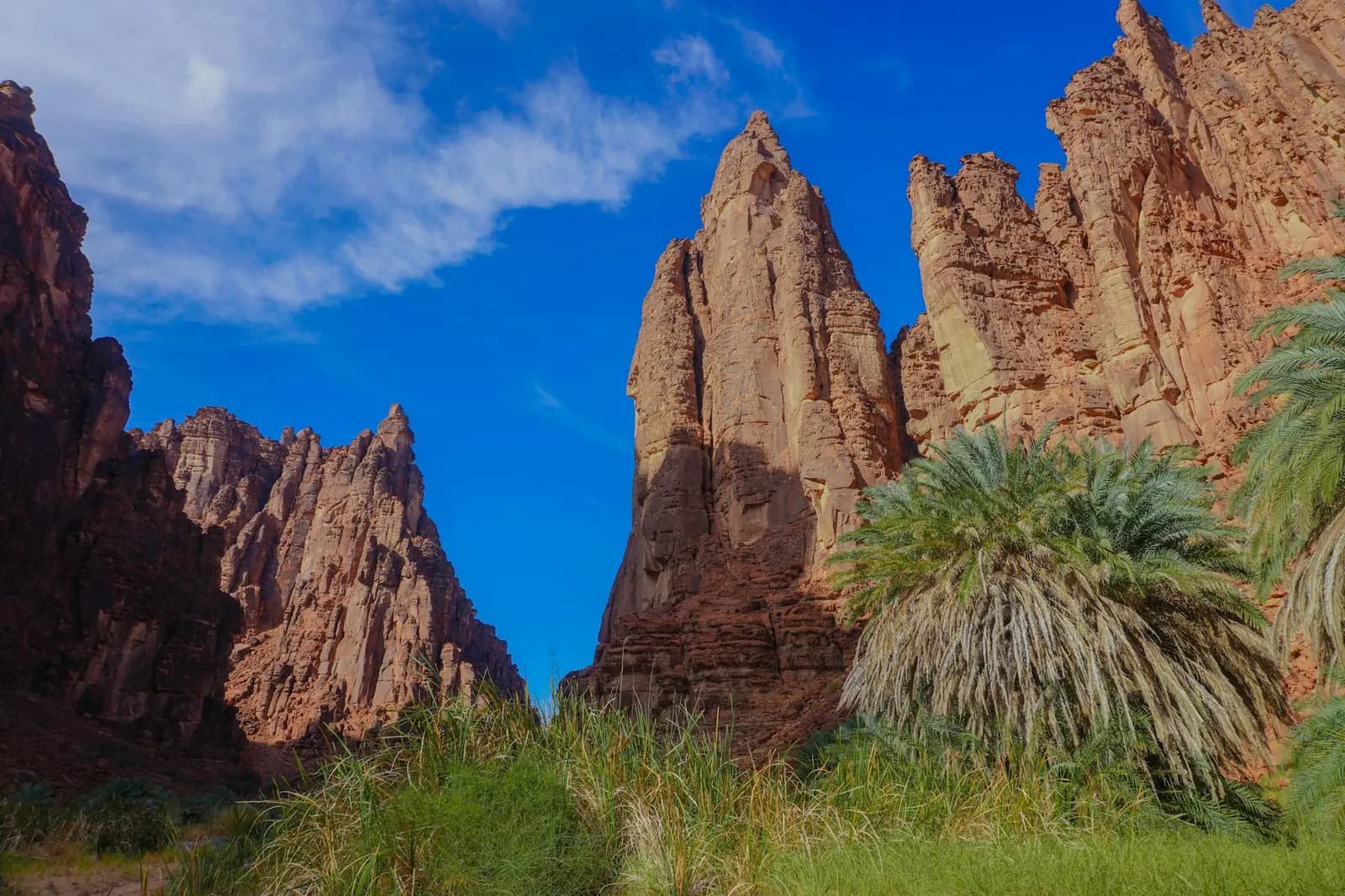
Jabal Ikmah is a canyon near AlUla carrying more than 300 ancient inscriptions. There is no ticket and the path is short and level.
At-Turaif is the mud-brick capital of the first Saudi state at Diriyah, a World Heritage Site since 2010, about 20 minutes from Riyadh.
Riyadh's National Museum runs from prehistory to the modern state in one sequence of halls, and there is no ticket for entry.
Masmak is the clay fort in central Riyadh where the 1902 capture of the city began; here is what is inside and how to fit it in.
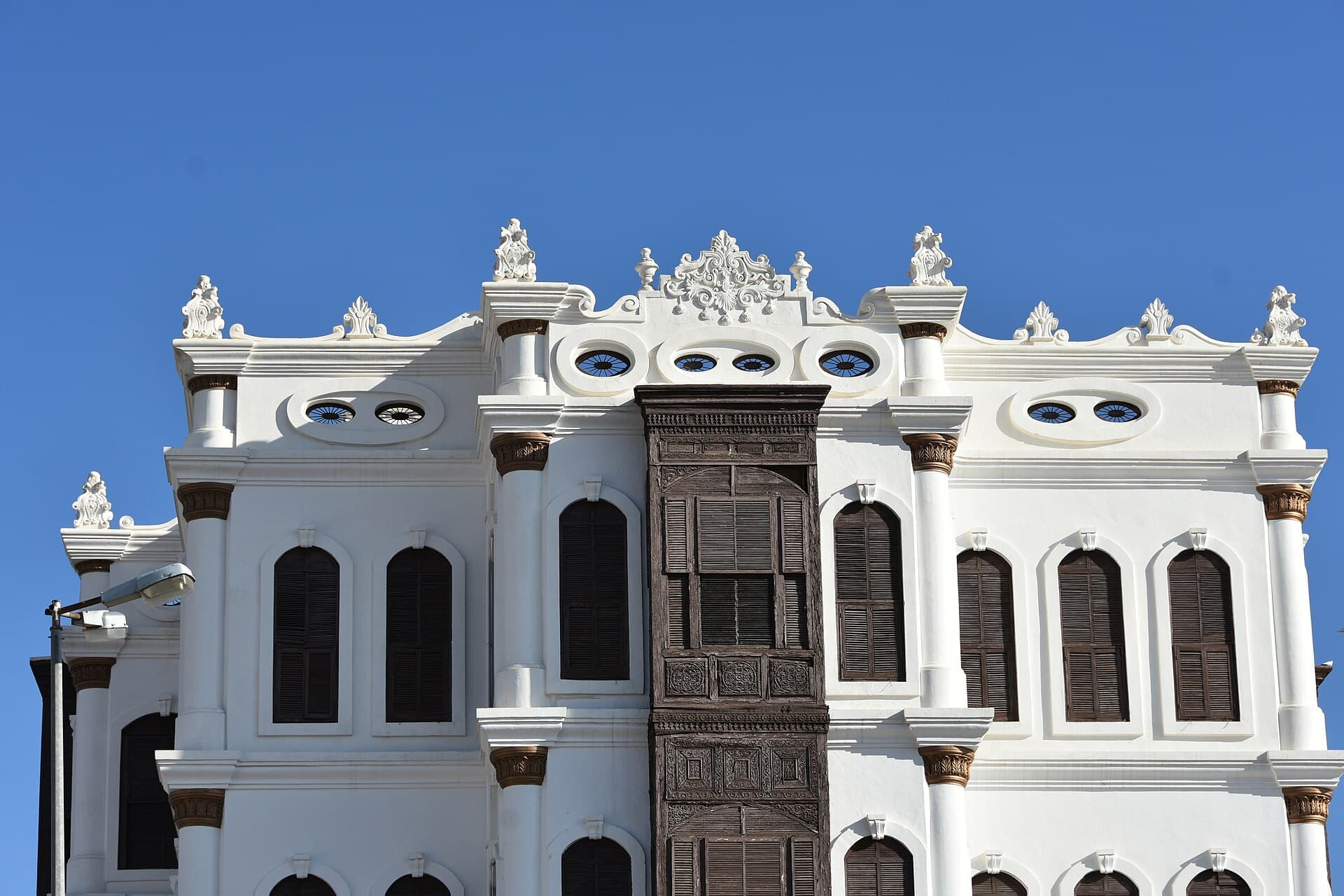
Al-Balad is Jeddah's coral-stone merchant quarter, a World Heritage Site since 2014 and still half under restoration.
October to March is the workable window in AlUla; summer in the valley is severe. Here is how to time the months and the hours.
The cooler months decide what you can do outdoors in Riyadh; the museums in the old centre hold up all year.
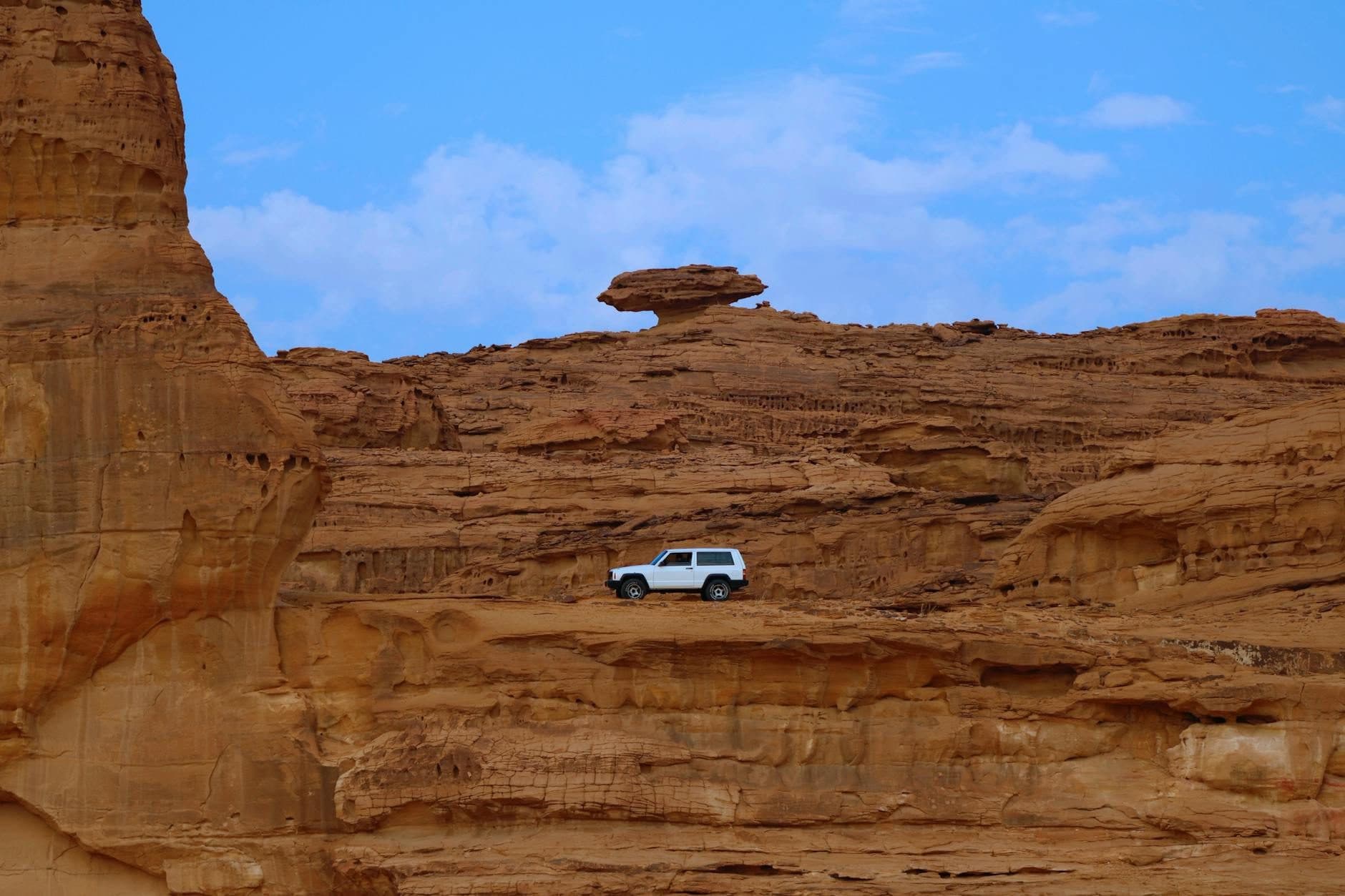
What AlUla is, the four sites that matter, when to go and how many days to give it on a first visit.
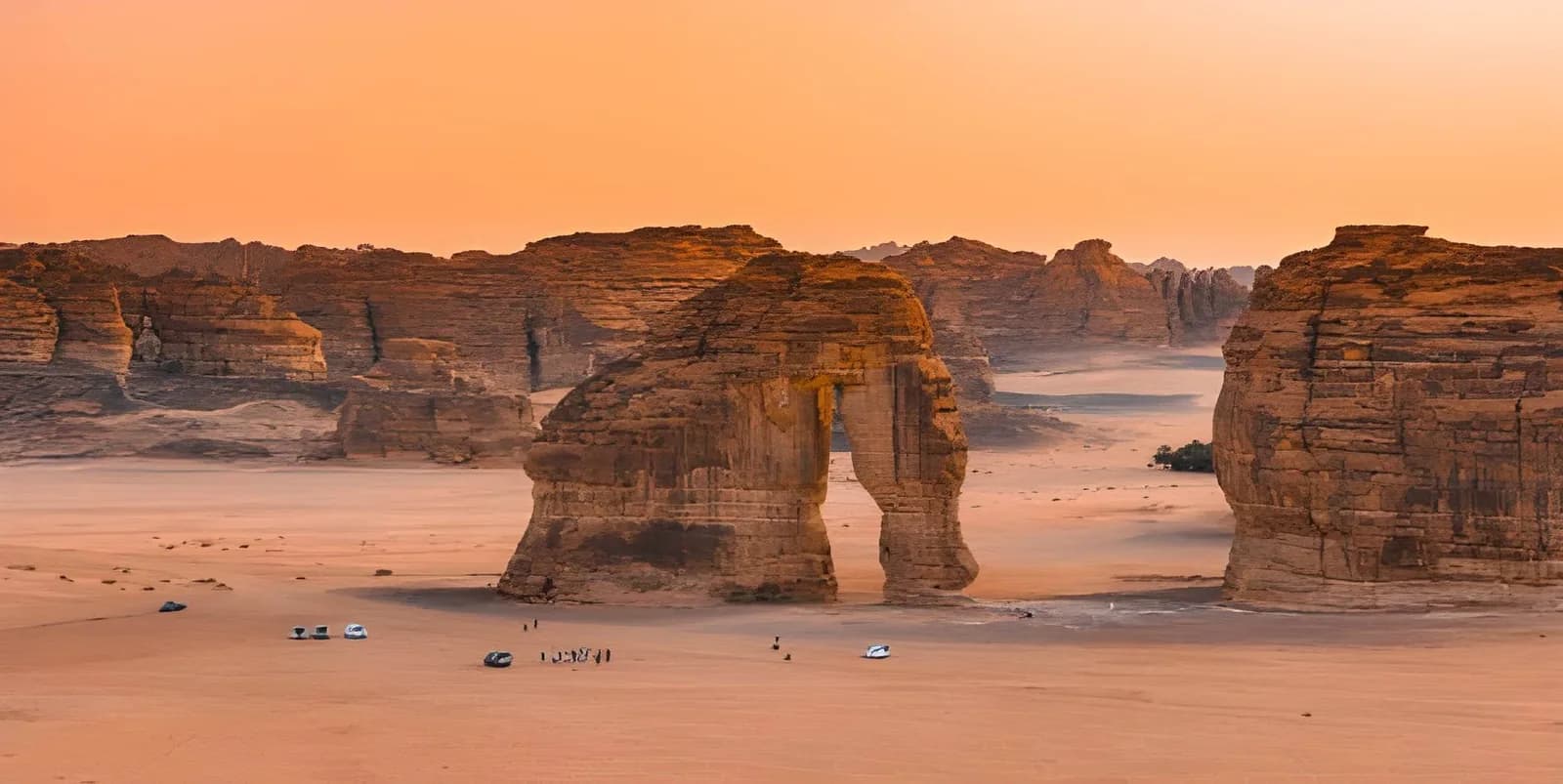
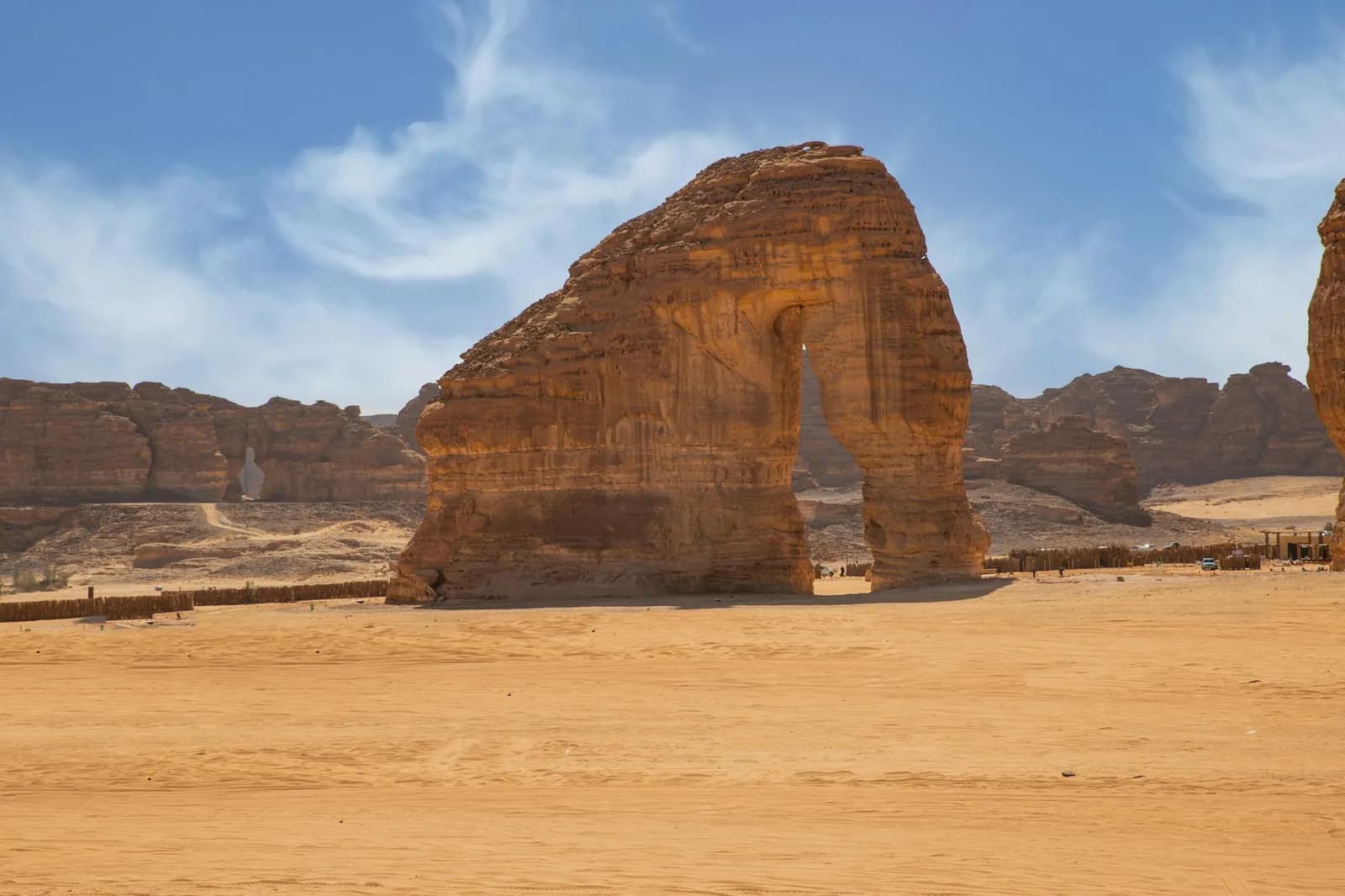
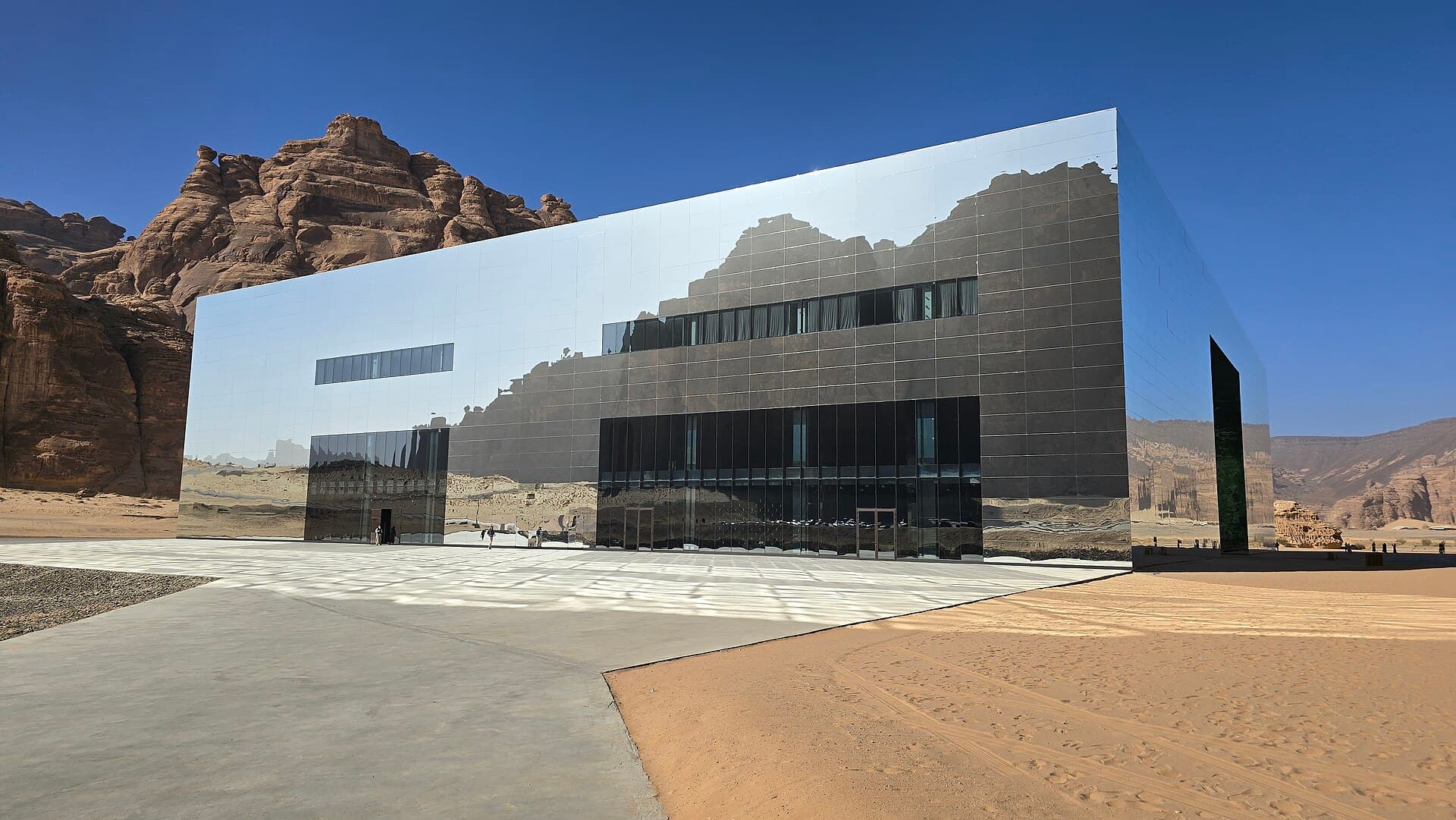
The four ancient sites, Elephant Rock, Maraya and the nature reserve - what each one is and how to get in.
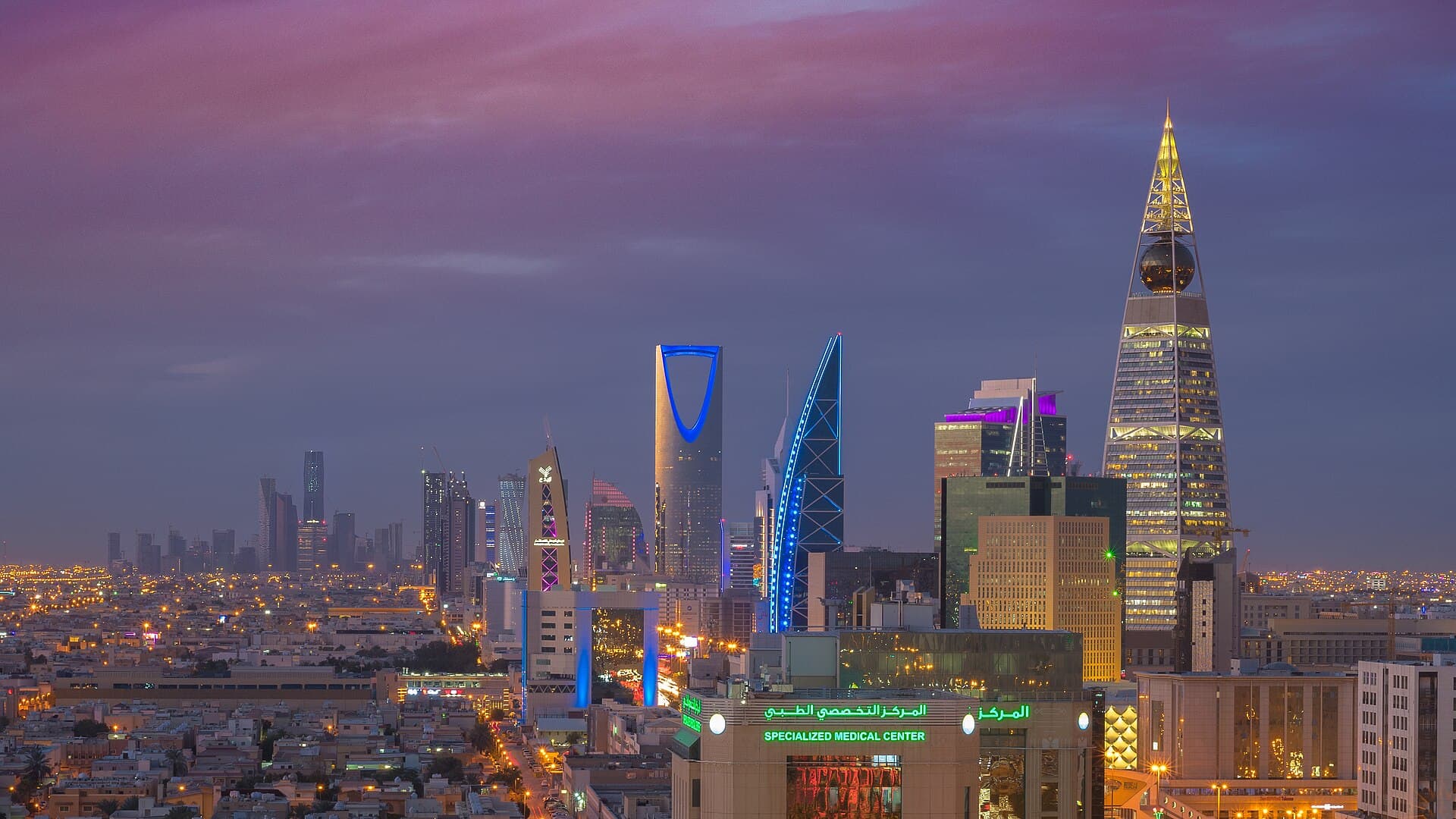
The capital in two or three days: the founding sites, Diriyah, the escarpment, and how to move around a city built for driving.
The National Museum, Al Masmak, At-Turaif at Diriyah, Wadi Hanifa and the Tuwaiq escarpment - what each takes and where it sits.
Al-Balad, the corniche and the Red Sea: what Jeddah is for, how long to stay and where the city leads next.
The cool months. Jeddah is walked outdoors, from Al-Balad to the corniche, and the heat decides how long a day lasts.
Summer. Abha sits high in the Asir mountains and its high season is the reverse of the rest of Saudi Arabia's.
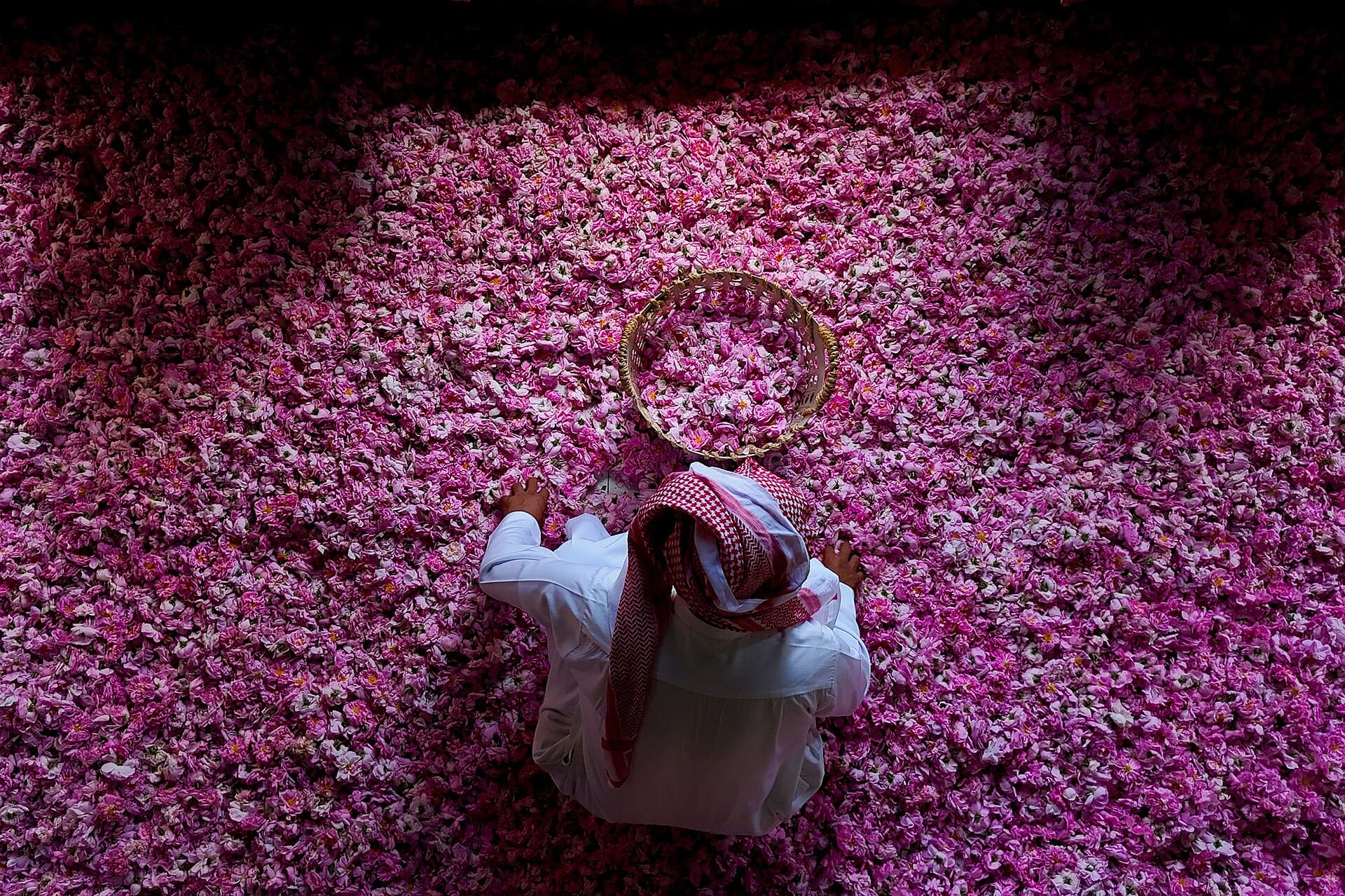
Late winter into early spring, for the rose crop; and summer, when Taif's mountain air is mild while the lowland is hardest.
The road east from Riyadh ends at the largest oasis in the world - 2.5 million palms, a UNESCO landscape and a hill full of cool caverns.