The four ancient sites - Hegra, Dadan, Jabal Ikmah and the Old Town - are what fill a first trip to AlUla. Elephant Rock at dusk, the mirrored concert hall at Maraya and the nature reserve are what you add once those are done.
What follows is what each one actually is and what it takes to get in. The wider context for the valley is on the AlUla destination page.
| What | Access |
|---|---|
| Hegra | Guided tour only, capped numbers, booked ahead |
| Dadan and Jabal Ikmah | Guided; no ticket at the canyon |
| AlUla Old Town | Walk in from 8am to 9am onward |
| Elephant Rock | No ticket; parking at the site |
| Maraya | Depends on what is on |
| Sharaan Nature Reserve | Experiences pause over the summer |
Walk Hegra with a Rawi
More than 110 Nabataean tombs are cut into sandstone outcrops scattered across open desert, their facades carved straight into the rock, 94 of them decorated. The site was occupied from before the 1st millennium BCE and became the southern capital of the Nabataean kingdom, on the incense road running north to Petra and the Mediterranean. It is the largest conserved Nabataean site south of Petra, and the first place in Saudi Arabia inscribed on the World Heritage List.
You move between the tomb clusters by vehicle with an AlUla Rawi, one of the local storyteller-guides, and daily numbers are capped. The detail of the visit is in Hegra: what to expect and how to visit.
Read the cliff at Dadan and the canyon at Jabal Ikmah
Dadan was the capital of the Dadanite and Lihyanite kingdoms, older than the Nabataean city up the road, and its tombs were cut almost 50 metres up the rock wall as square openings in a line, two of them guarded by carved lions. Excavation is ongoing and much of the site is still unread.
Jabal Ikmah, close by, is a desert canyon carrying hundreds of pre-Arabic inscriptions on both walls, in Dadanitic, Thamudic, Minaic and Nabataean scripts - the largest concentration of Dadanitic and Lihyanite inscriptions anywhere. They are dedications, names and offerings rather than proclamations, which is what makes the place unusual: a public noticeboard left open for two and a half thousand years. The canyon is short and mostly level, the carvings sit close enough to the path to read without climbing, and there is no ticket. Jabal Ikmah: what to expect and how to visit covers the ground in more detail.
Spend an evening in the Old Town
AlUla Old Town is a labyrinth of mud-brick houses built from the 12th century, abandoned within living memory and now partly restored. It grew on the incense route and on the pilgrim road from Damascus to Makkah, and it was walled: fourteen gates controlled the way in, with a fort of around the 10th century standing 45 metres above.
Climbing to the fort is the quickest way to understand the plan of the place - hundreds of clay houses packed together along alleys narrow enough to hold shade all day. The restored lane below carries shops and restaurants. Most of it opens between 8am and 9am, but it comes alive after 3pm, with shops open until about 11pm and most restaurants until around 1am, which makes this the one part of AlUla with a real evening. The half day we run as AlUla Old Town and AlJadidah pairs the Old Town with a look at AlJadidah.
Stand under Elephant Rock at dusk
A 52-metre sandstone outcrop weathered into the shape of an elephant with its trunk to the ground, standing alone on open sand. Known in Arabic as Jabal AlFil, it is a 20-minute drive north-east of the Old Town on Highway 70, with parking at the site and a wooden path leading in from the car park.
Late afternoon into dusk is the time that matters: the sandstone turns deep red as the light drops, and sunken seating areas cut into the sand around the base let you wait it out. There is no ticket. Elephant Rock at sunset times the visit for the light.
Look at Maraya, and check what is on
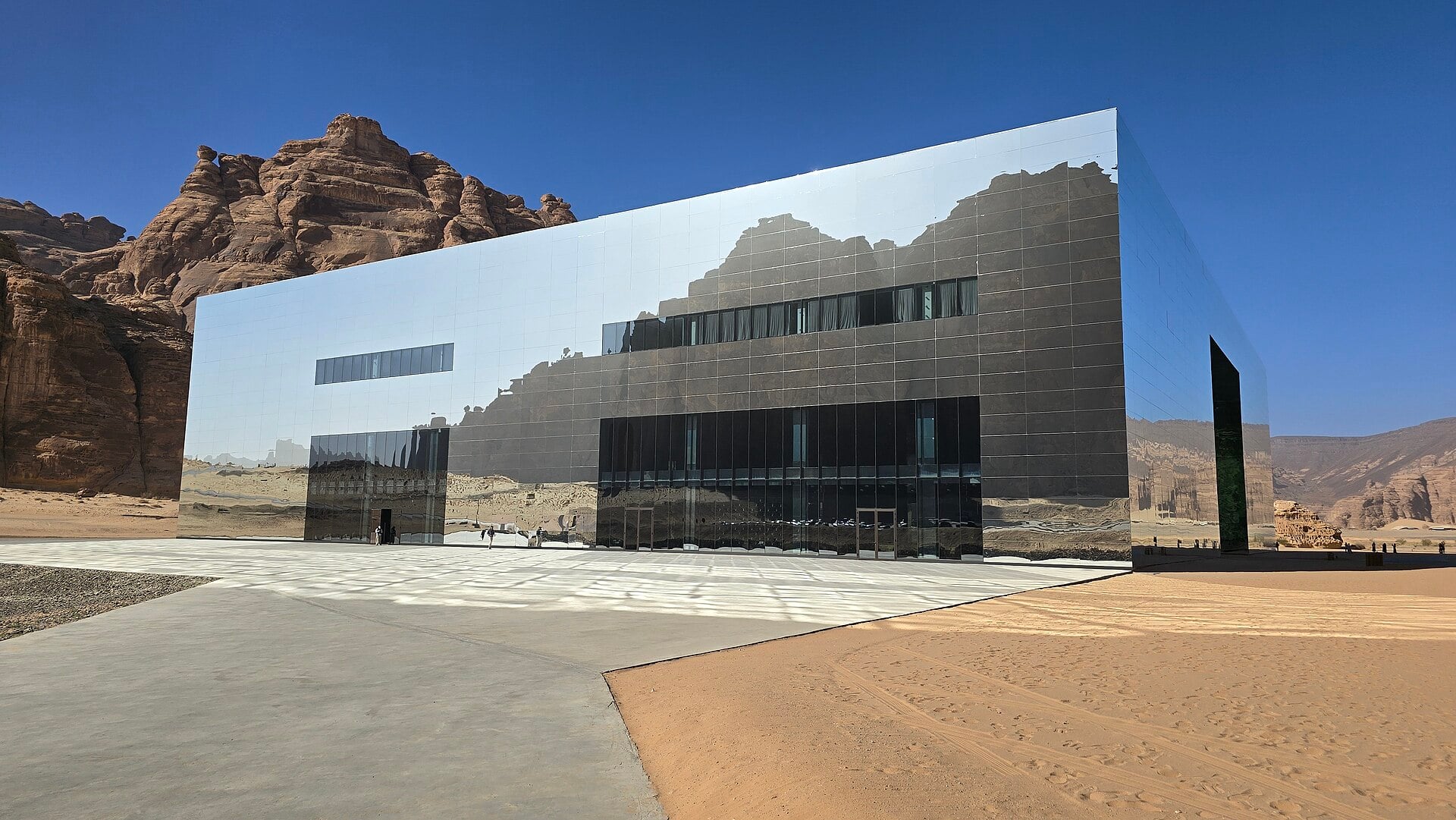
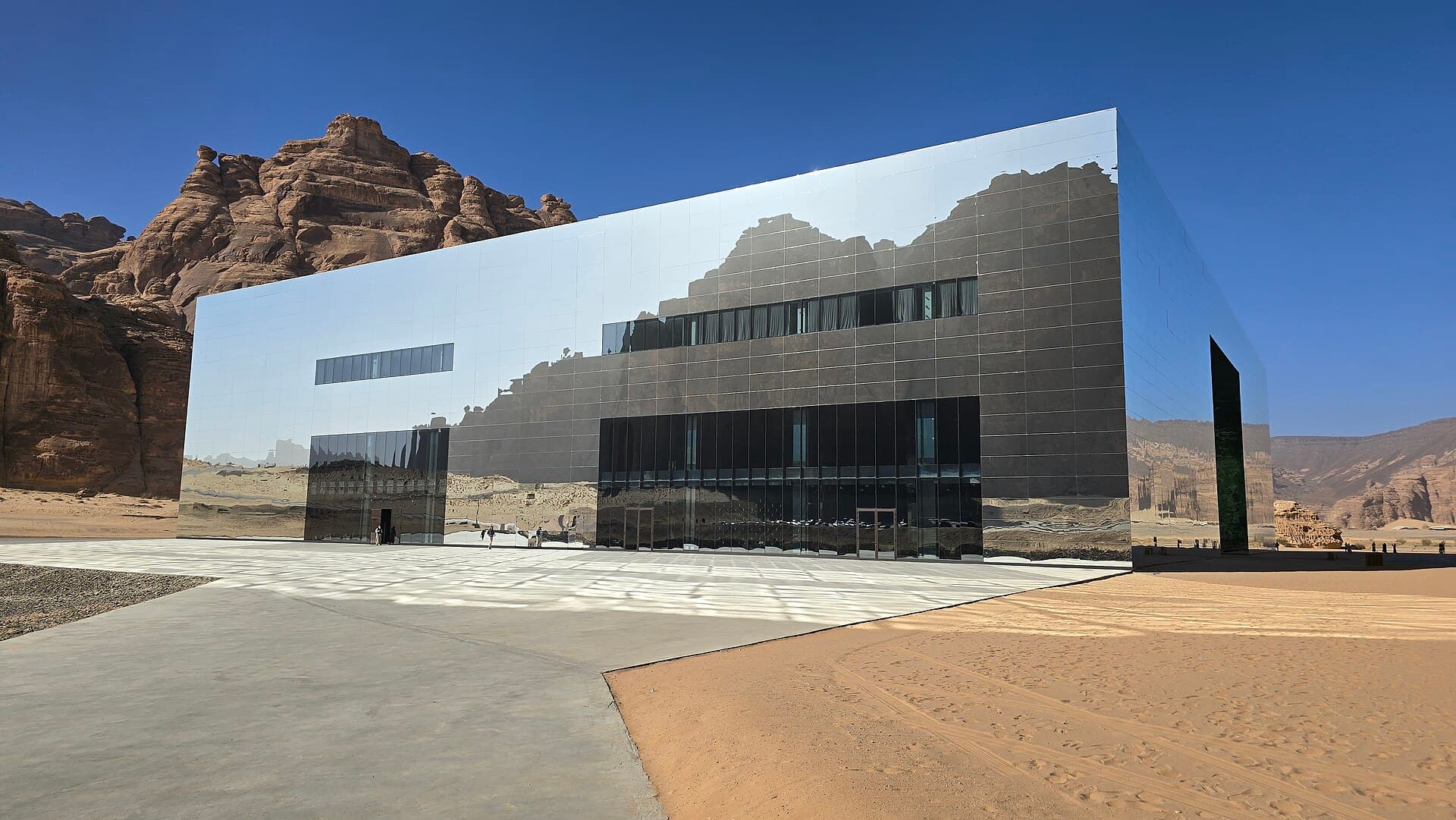
Maraya is a concert hall in the Ashar valley clad entirely in mirrors, so the building reflects the cliffs around it and very nearly disappears - from a distance the rock face continues across its front, slightly offset. The name means mirror in Arabic, and it holds the record as the largest mirrored building in the world. Inside, a 26-metre floor-to-ceiling facade opens onto the valley.
It is a venue rather than a monument, so what is happening there depends on the calendar. Check before making the drive, which is about 20 minutes from the centre of AlUla.
See the reserve's wildlife
Sharaan Nature Reserve is where the valley's wildlife is: red-necked ostriches, Arabian ibex, Idmi gazelles, Cape hares and rock hyraxes, with bee-eaters, eagles and crested larks among the birds. There are plans to reintroduce Arabian leopards. We run it as a 4x4 outing, Sharaan Nature Reserve 4x4, and experiences here pause over the summer and return in the cooler months.
Putting it into a trip
Two full days cover the four ancient sites; a third adds the rock, the reserve and an unhurried evening. AlUla in one day is the compressed version for anyone passing through, while AlUla short break gives the valley the run of days it wants. If you are still deciding whether the valley belongs in your itinerary at all, start with AlUla: a first-timer's guide.