See the rose farms in season
Roses are Taif's signature and a real industry. Growers return to the fields in December; about 55 days later the scent is through the gardens, and the petals are picked in early spring and taken in bushels to the extraction factories that turn them into rose water and perfume oil. Local factories sell the results in glass bottles, which is why the farms and the factories are usually seen on the same outing.
| Stage | What happens |
|---|---|
| December | Growers return to care for the fields and the bushes |
| About 55 days later | The scent comes up through the gardens and the juniper paths |
| Early spring | Petals are picked and carried to the rose oil extraction factories |
| Festival | The Taif Rose Festival runs at Al Rudaf Park, organised by the Ministry of Culture |
The festival adds live performances and perfume-making workshops; its second edition set a Guinness world record for the biggest basket of roses, made from 84,450 assorted roses over more than 168 hours by 190 young men and women from Taif. The rose farms is the half day built around all of this, and timing is everything, so read the best time of year to visit Taif before fixing dates.
Drive Al Hada and take the cable car
Al Hada Mountain is part of the Sarawat range, which extends in a curved line about 87 kilometres between Taif and Makkah. The road climbs to 2,177 metres through acacia, juniper and herbal plants, and the temperature drops as you go. It has been in use for a thousand years and was traditionally called Darb Al-Jammalah, the road camel caravans used to carry trade goods.
There is a cable car, and roadside booths selling Taif rose water, fruit and warm drinks. Al-Kar Tourist Village along the same road can be reached by cable car or by driving up, and has water games, a car-race attraction and a ropeway that carries you between mountainsides. No ticket is needed to enter Al Hada. Al Hada and the mountain road does the climb in half a day.
Go up to Al Shafa
Al Shafa is about 30 kilometres from Taif by car and rises to over 2,500 metres. At the top there is fog moving through juniper, views down over the Tihama plains, and fertile valleys planted with pomegranate, grape and fig. The heritage villages and historical forts on Al Shafa carry traditional stone doors and windows, so the walking here has some substance to it rather than being only a viewpoint. No ticket is needed.
Make the run out to the Al Wahbah crater
Al Wahbah is the largest and deepest volcanic crater in Saudi Arabia, 3,000 metres across, ringed by the Al Luhayan, Umm Rilan and Zabna mountains. At the bottom is a salt dome that gleams in the sun, where a lake evaporates in summer and turns to sabkha, and wild plants grow on the edges in the rainy season. It is about 250 kilometres from Taif, so treat it as a long day trip and give it a full day rather than squeezing it in.
Spend time in the town
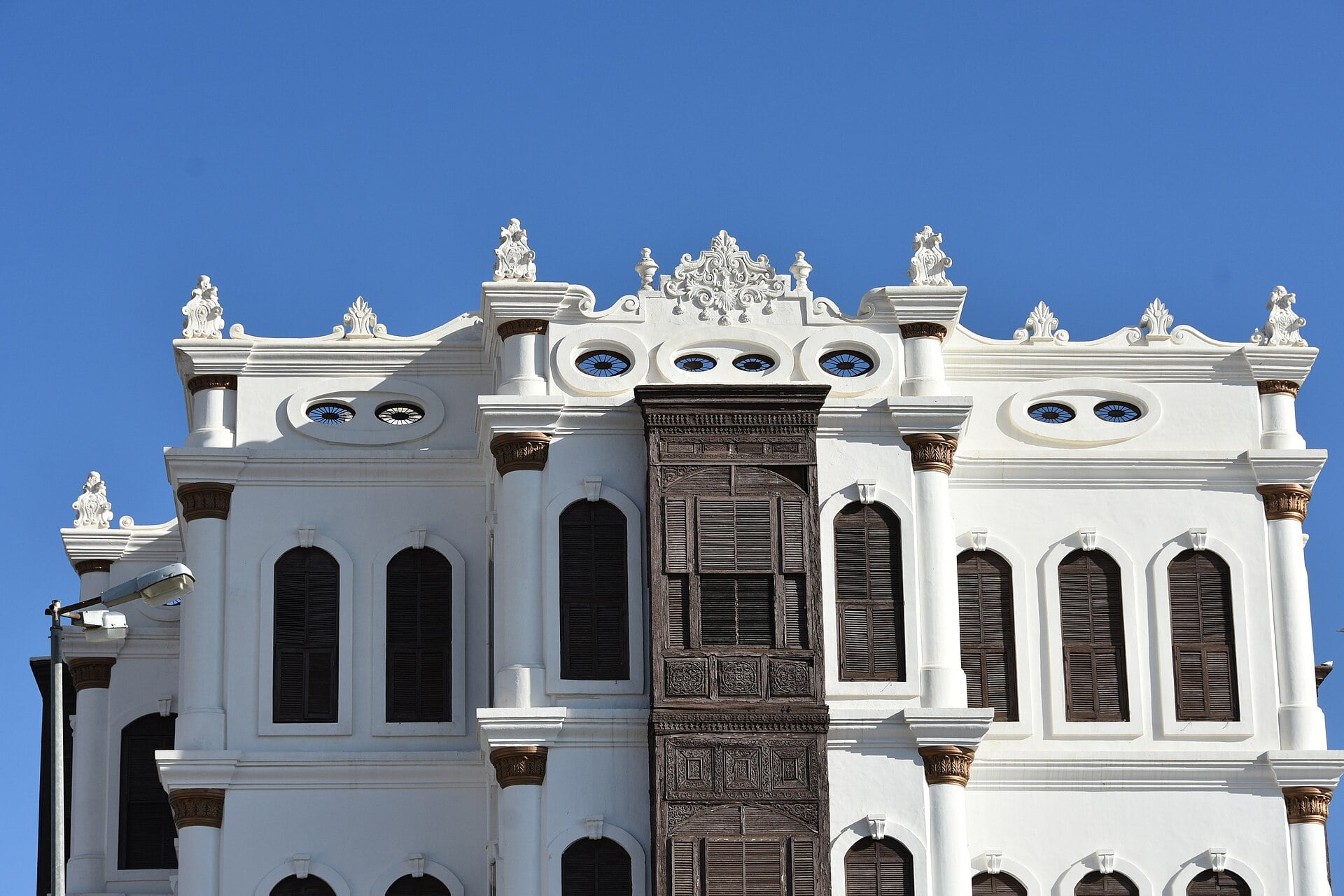
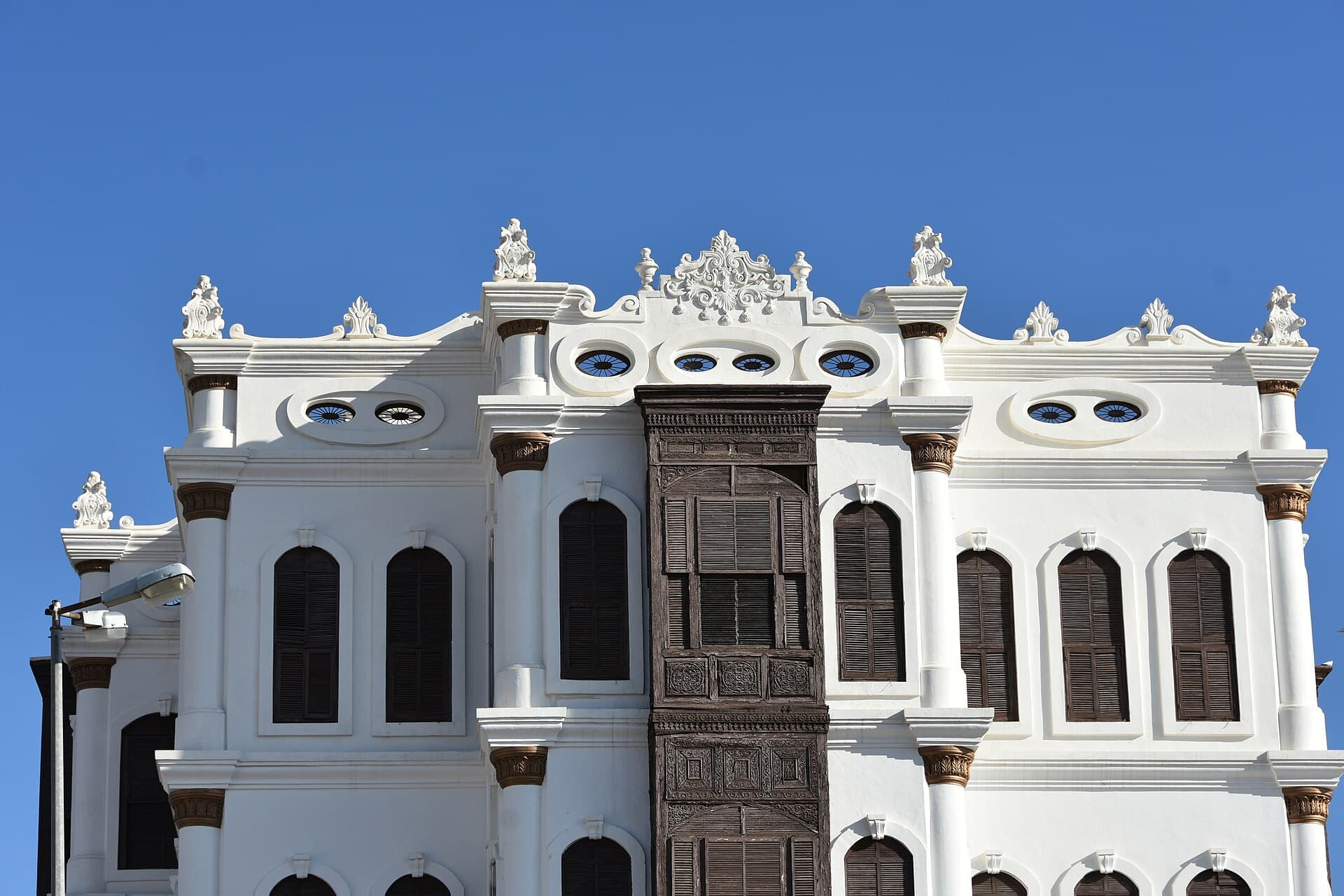
Taif has traditional markets, farms and natural parks. Al Shareef Museum occupies a preserved traditional building and holds artefacts, coins, weaponry, clothing and domestic items from across the Hejaz, with guided tours to explain them. Shubra Palace and the souq is the half day that covers the town at street level, and it pairs well with an afternoon on the mountain road.
Fitting it into a trip
Two days covers the town, the roses and one mountain road; three adds Al Shafa or the crater. That is the length a Taif short break is built to, and the orientation, including how Taif sits against Makkah and the coast, is in the first-timer's guide to Taif.
Almost everyone arrives from Jeddah, and the route up is set out in driving from Jeddah to Taif. That direction of travel is worth using rather than resisting: the coral-stone tower houses of Historic Jeddah (Al-Balad), on the UNESCO list since 2014, are the flat, hot, coastal opposite of everything Taif offers, and the two read better against each other than either does alone.
If you want both western mountain towns in one trip, Jeddah, Taif and Abha runs from the coast up into the Sarawat range twice, with the Asir highlands in the south as the second half. Note that Taif and Abha sit in the same range but behave differently through the year, so the order you take them in is worth thinking about before booking.