Where Taif is and how you reach it
Taif sits in western Saudi Arabia, in the Sarawat Mountains, east of Makkah, and it is roughly 90 minutes from Makkah. Makkah itself is open to Muslims only, so for most international visitors the practical approach is from the coast; the road is covered in driving from Jeddah to Taif, and Jeddah and Taif is the two-centre version of the same trip.
That coastal pairing matters for a first visit. Taif is a mountain town with a specific set of things to see rather than a city, so it works best against something else: the coral-stone quarter of Historic Jeddah is the usual counterweight to it.
The roses
Taif's roses are a working industry rather than a decorative story. The cycle starts in December, when growers return to care for the fields and bushes. About 55 days later the scent comes up through the gardens, and the petals are picked in early spring and carried in bushels to the rose oil extraction factories in the town. The output is rose water and perfume oil, sold locally in glass bottles.
The Taif Rose Festival is held annually at Al Rudaf Park and organised by the Ministry of Culture, with live performances and perfume-making workshops. Seeing the farms working is a matter of timing rather than luck, which is why the rose farms is a seasonal outing and the best time of year to visit Taif is worth reading before you book flights.
The mountains around the town
Three places account for most of the reason to come, and they sit at very different distances.
| Place | Distance from Taif | What it is |
|---|---|---|
| Al Hada | On the Makkah side of Taif | Cable car and a switchback road at 2,177 m, with acacia and juniper along it |
| Al Shafa | About 30 km by car | Over 2,500 m, juniper forest, orchards of pomegranate, grape and fig, heritage villages and old forts |
| Al Wahbah crater | About 250 km | A volcanic crater 3,000 m across, the largest and deepest in the country |
Al Hada Road has been in use for a thousand years and was traditionally known as Darb Al-Jammalah, the route camel caravans took with trade goods. The temperature drops noticeably as you climb it. Roadside booths sell Taif rose water, fruit and warm drinks, and Al-Kar Tourist Village along the road can be reached either by cable car or by driving. No ticket is needed for Al Hada or for Al Shafa. Al Hada and the mountain road covers the climb in half a day. Along the way, Al-Kar Tourist Village can be reached by cable car or by the road itself, with water activities and a car-race ride built into the mountainside.
Al Wahbah is the outlier. At about 250 kilometres it is a long day trip from the town and not a short outing, so plan it as its own day or leave it out. At the bottom of the circular crater is a salt dome, where a lake evaporates in summer and turns to sabkha, with wild plants on the edges after rain.
In the town itself
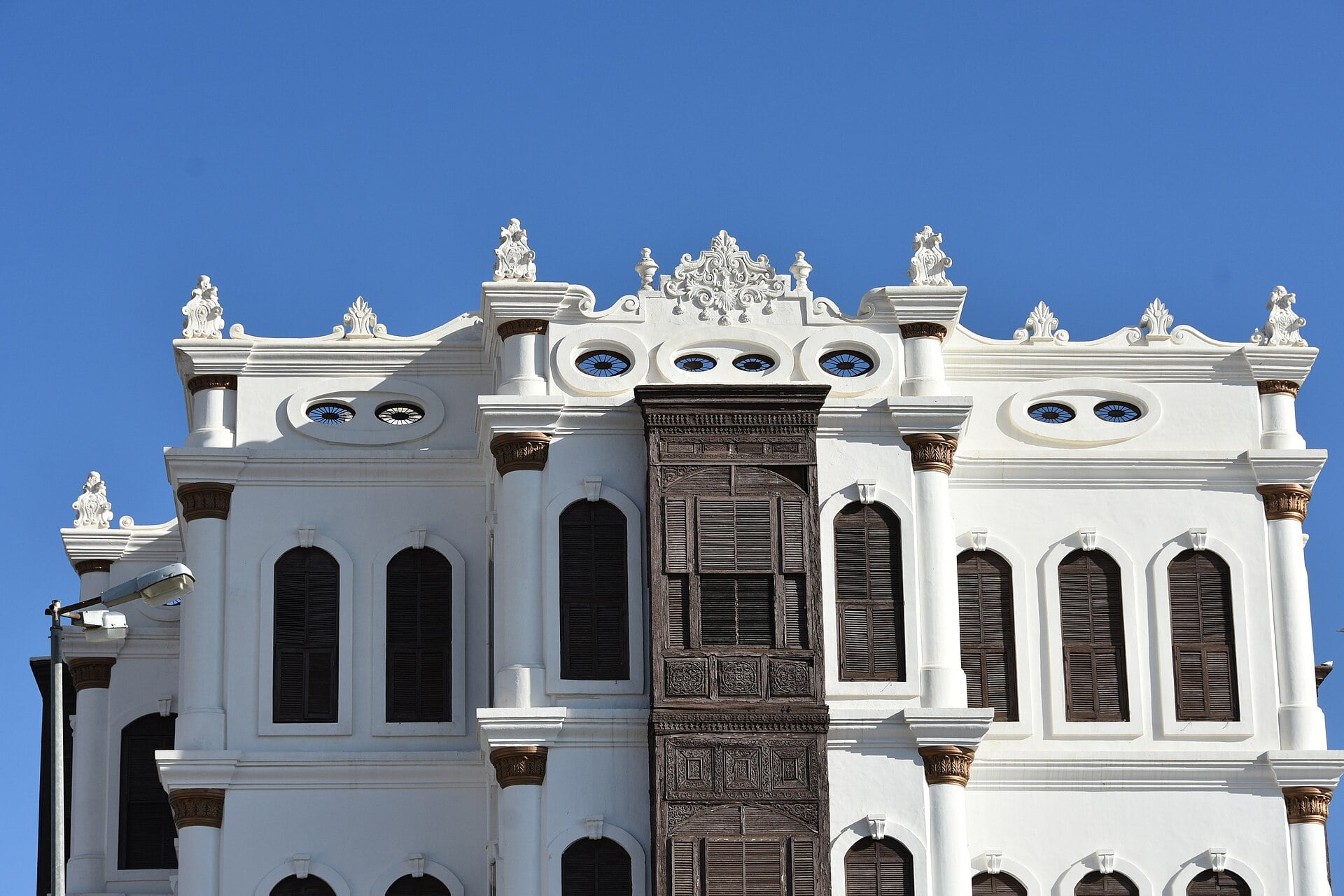
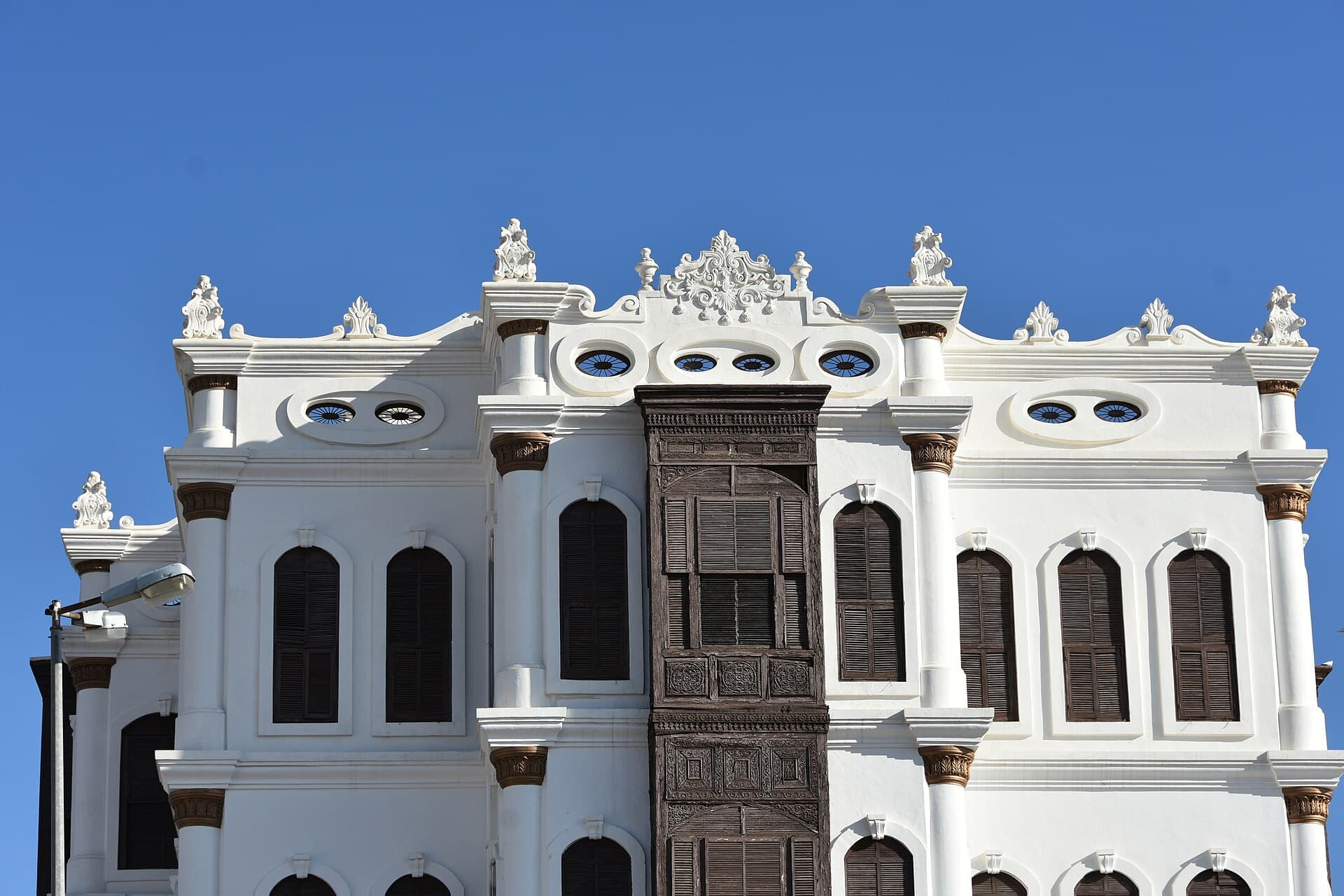
Taif has traditional markets, farms and natural parks alongside its mountain climate. Al Shareef Museum is housed in a preserved traditional building and holds artefacts, coins, weaponry, clothing and domestic items from across the Hejaz, with guided tours. Shubra Palace and the souq is the half day that covers the town at ground level, and the full list is in things to do in Taif.
How long to stay
Two days covers the town, the rose farms and one of the mountain roads. Three lets you add Al Shafa properly or make the run out to the crater. That is the shape of a Taif short break. On a longer route through the west, Jeddah, Madinah and Taif links the port, the Hejaz interior and the mountains in one line of travel.
Practical notes
Saudi Arabia's tourist eVisa, a one-year multiple-entry visa allowing a total stay of up to 90 days within that year (not 90 days per visit), applied for through the official online portal. We are not a visa service. Bring a layer: the point of Taif is that the mountain air is mild rather than hot, and Al Shafa at over 2,500 metres is colder again than the town.