Al-Balad, the old merchant quarter
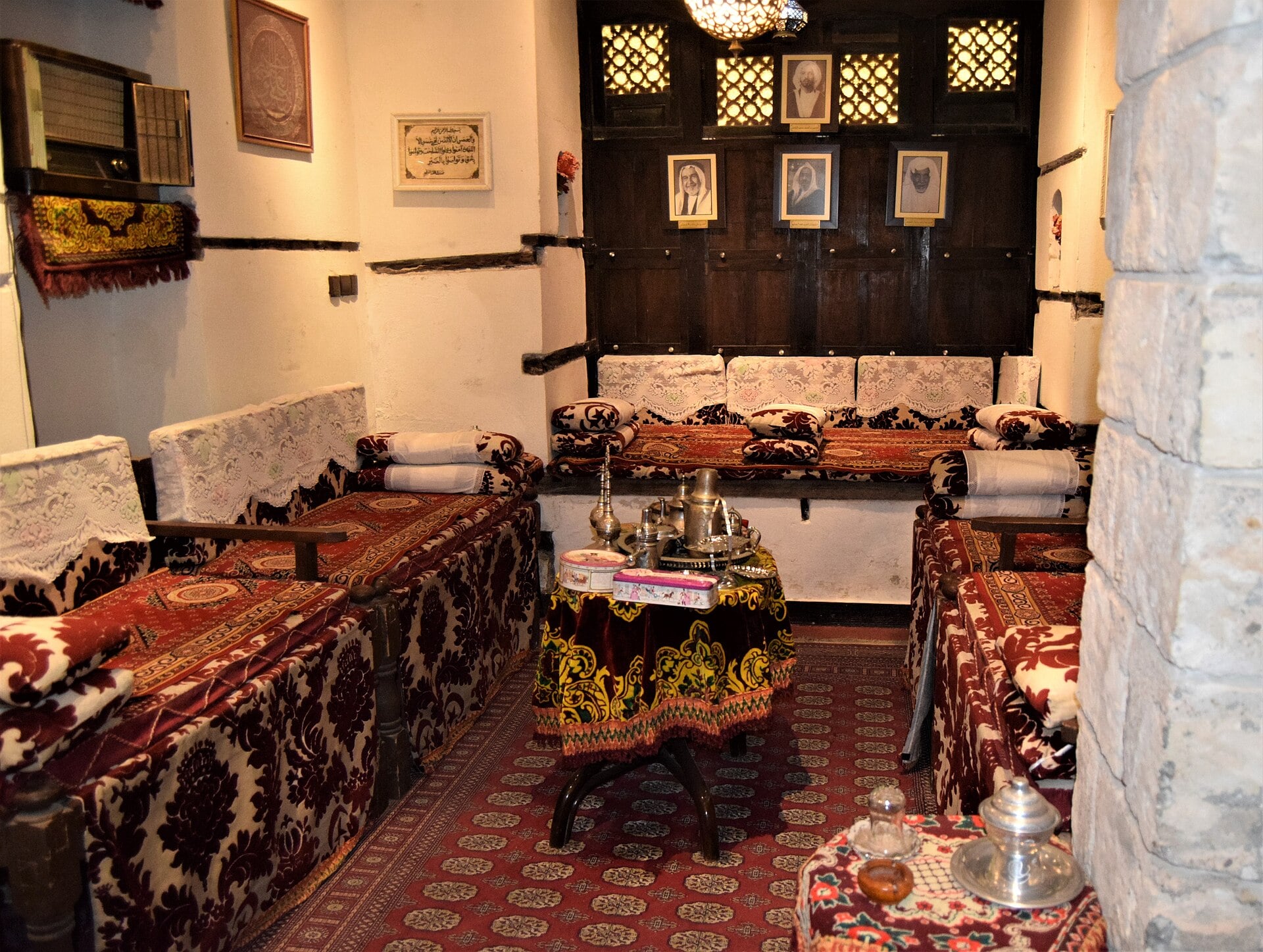
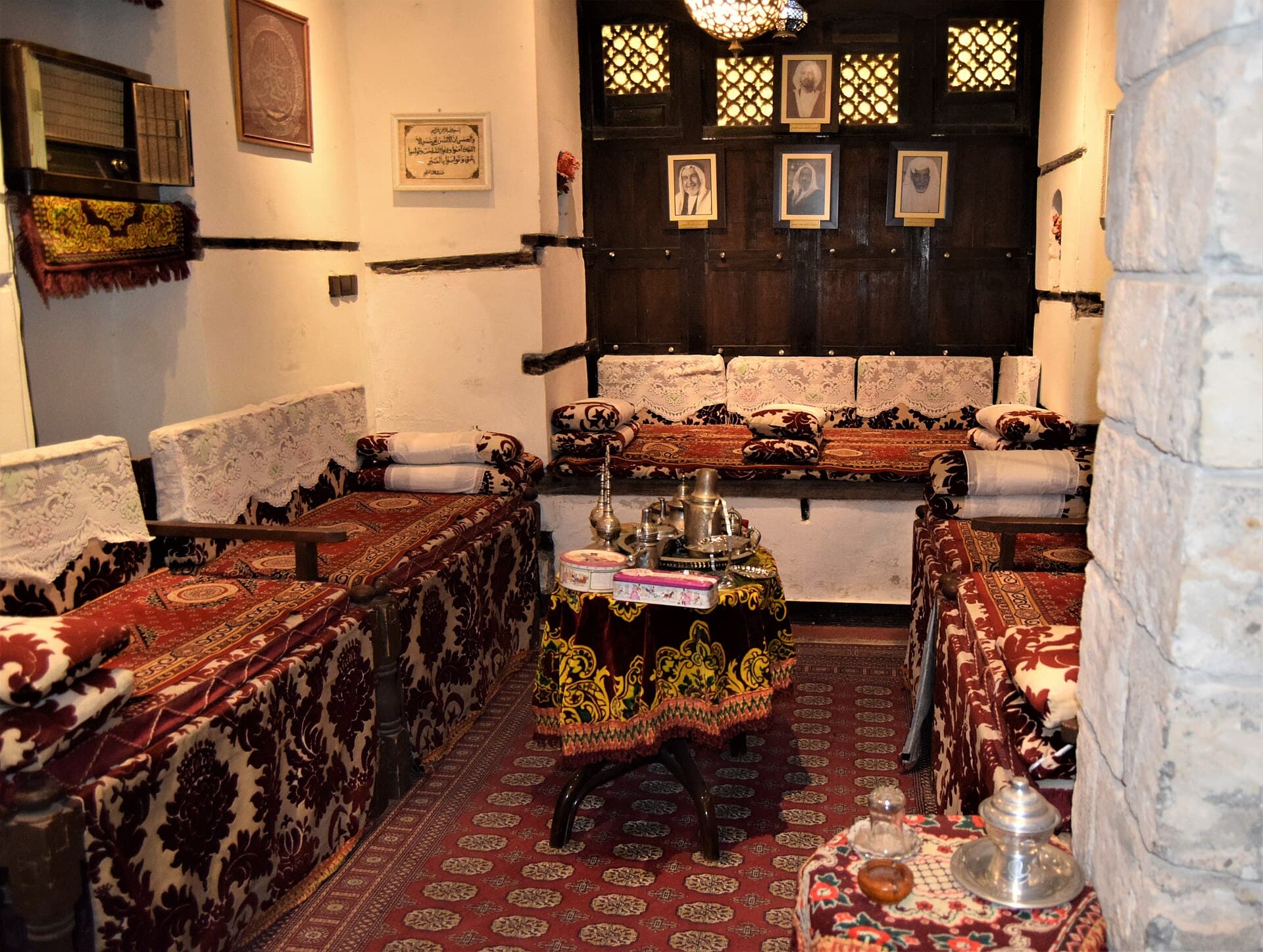
Historic Jeddah, known locally as Al-Balad, went onto the UNESCO World Heritage List in 2014 under the name Historic Jeddah, the Gate to Makkah. The city has been a major Indian Ocean port since the 7th century AD and the place where pilgrims travelling to Makkah by sea came ashore. That double role, trade and pilgrimage, paid for the quarter that survives.
The buildings are the reason to walk it. Tower houses of coral stone stand several storeys high, their facades covered in roshan, the carved wooden bay windows that let air through while stopping the street from seeing in. Many are propped and in poor condition, and restoration runs building by building, so Historic Jeddah (Al-Balad) is a working site rather than a finished one. That is exactly why a guided Al-Balad walking tour earns its place here: the lanes give away very little about what sits behind each facade. Before you go, it is worth reading what to expect at Al-Balad.
The Saudi Tourism Authority's own route through the quarter takes in the markets, the rawashin of Bait Ba'eshen, Diab Coffee, which is the oldest cafe in Al-Balad, and the teamLab Borderless museum for the evening.
The Corniche and the waterfront
The Jeddah Corniche runs for over 30 kilometres along the Red Sea and carries most of the city's outdoor life. King Fahd's Fountain stands 312 metres high out in the water and is visible from across the city. The Art Promenade is a quieter residential stretch of the same waterfront, running down to the marina, and the Jeddah Yacht Club sits beside the Corniche Circuit on roughly 122,000 square metres, with a marina officially recognised as a port of entry for international yachts.
The whole length is too long to walk end to end, so half a day on the corniche and the Floating Mosque is the sensible way to see the parts worth seeing, ideally late in the afternoon when the heat drops.
Getting out onto the Red Sea
The Red Sea gives Saudi Arabia over 1,700 kilometres of shoreline, more than 90 islands offshore, and reefs that have had very few divers on them. Jeddah is the usual base for diving on this stretch of coast, and half a day of Red Sea snorkelling is the low-commitment version for anyone who is not certified. For clearer water further north, Jeddah and Umluj puts the city and the coast above it in one trip.
Eating across the city
UNESCO's description of the old town calls Jeddah a multicultural centre built on Indian Ocean trade, with crafts and influences carried in along those routes, and the kitchens are the part of that history still in daily use. A Jeddah food walk is the simplest way to eat across the old quarter in an evening rather than guessing which door to go through.
How much fits in the time you have
| Time you have | What it covers |
|---|---|
| Half a day | Al-Balad on foot, or the Corniche in the late afternoon |
| One day | The old town in the morning, the waterfront at the end of the day |
| Two to three days | Both of those, plus a morning in the water and time in the newer districts |
| Longer | Jeddah as the base for the Red Sea coast, Madinah or AlUla |
A single day works if you accept that it is a choice between the old town and the sea, and Jeddah in one day is built around that compromise. Two or three days removes it, which is what a Jeddah short break is for. If you are still deciding, how many days you need in Jeddah sets out the trade-off in more detail, and the wider orientation is in the first-timer's guide to Jeddah.
Practical notes
Jeddah has the country's second international airport and is the standard arrival point for the west coast and for AlUla; the route north is covered in driving from Jeddah to AlUla. Which part of the city you sleep in changes how much of this you actually do, and where to base yourself in Jeddah goes through the options.
The tourist eVisa, a one-year multiple-entry visa allowing a total stay of up to 90 days within that year (not 90 days per visit), applied for through the official online portal. We are not a visa service and never obtain visas on anyone's behalf; the portal is the only place to apply.
One point that catches people out: Makkah is open to Muslims only. Madinah works differently and can be visited by travellers of any faith, although its sacred areas, including Al Masjid an Nabawi, are restricted to Muslims.