The short answer
The cooler months are what Riyadh turns on, but only for part of the itinerary. The founding sites in the old centre are indoors and hold up whenever you arrive; the escarpment, the mud-brick district and the valley are outdoors and are governed by the season. In practice the calendar decides what you do rather than whether you come.
That distinction is the whole answer, and it is worth taking apart.
What the season actually decides
| Site | Indoors or outdoors | Season sensitivity |
|---|---|---|
| National Museum of Saudi Arabia | Indoors, halls running in sequence from prehistory to unification | Any time of year; no ticket is needed to enter |
| Al Masmak | Indoors, display halls inside a clay fort in the old centre | Any time of year |
| At-Turaif, Diriyah | Outdoors, walked through restored mud-brick streets | Cooler months, and evenings; about 20 minutes from the centre |
| Wadi Hanifa | Outdoors, a green corridor of paths and parks running the length of the city | Cooler months, mornings and evenings; no reservation needed |
| Edge of the World | Outdoors and exposed, on a cliff about 100 km north-west of the city | Cooler months, at sunrise or sunset |
The Edge of the World is the deciding factor
If the escarpment is on the list, it sets the dates. The tourism authority singles out winter there, and the site gives you no help of its own: it is wild and barren, with no services, no water, no food and no fuel, and mobile coverage that drops out. The final approach is rough track and needs a four-wheel drive, and the advice is to go with other people or with a guide rather than alone.
Within the day, sunrise and sunset are the two points worth planning around, both for the light along the cliff and because the middle of the day up there is exposed and hot. Edge of the World, half day is built to hit one of those two windows rather than the middle of the day.
Evenings work harder than mornings
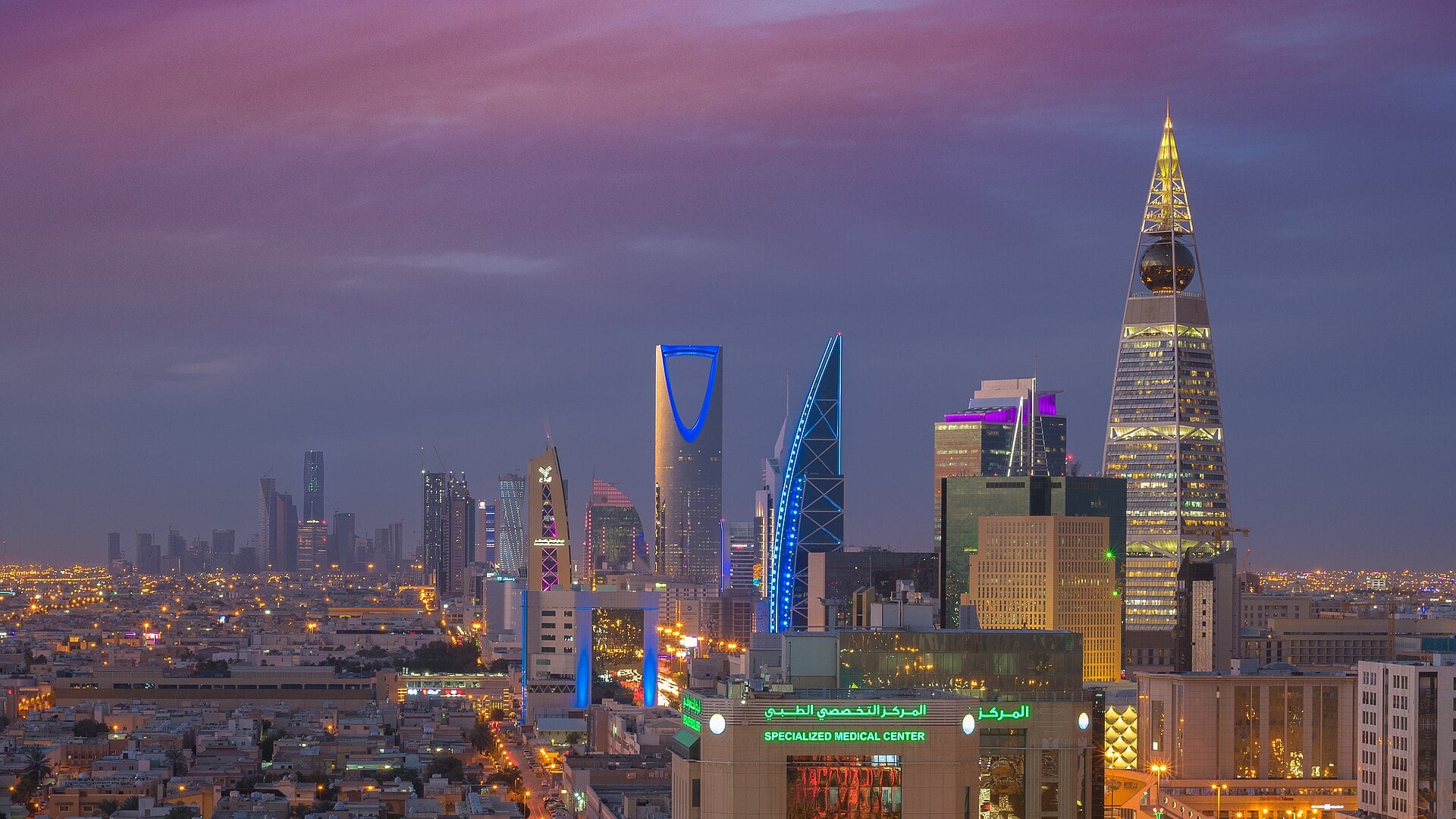
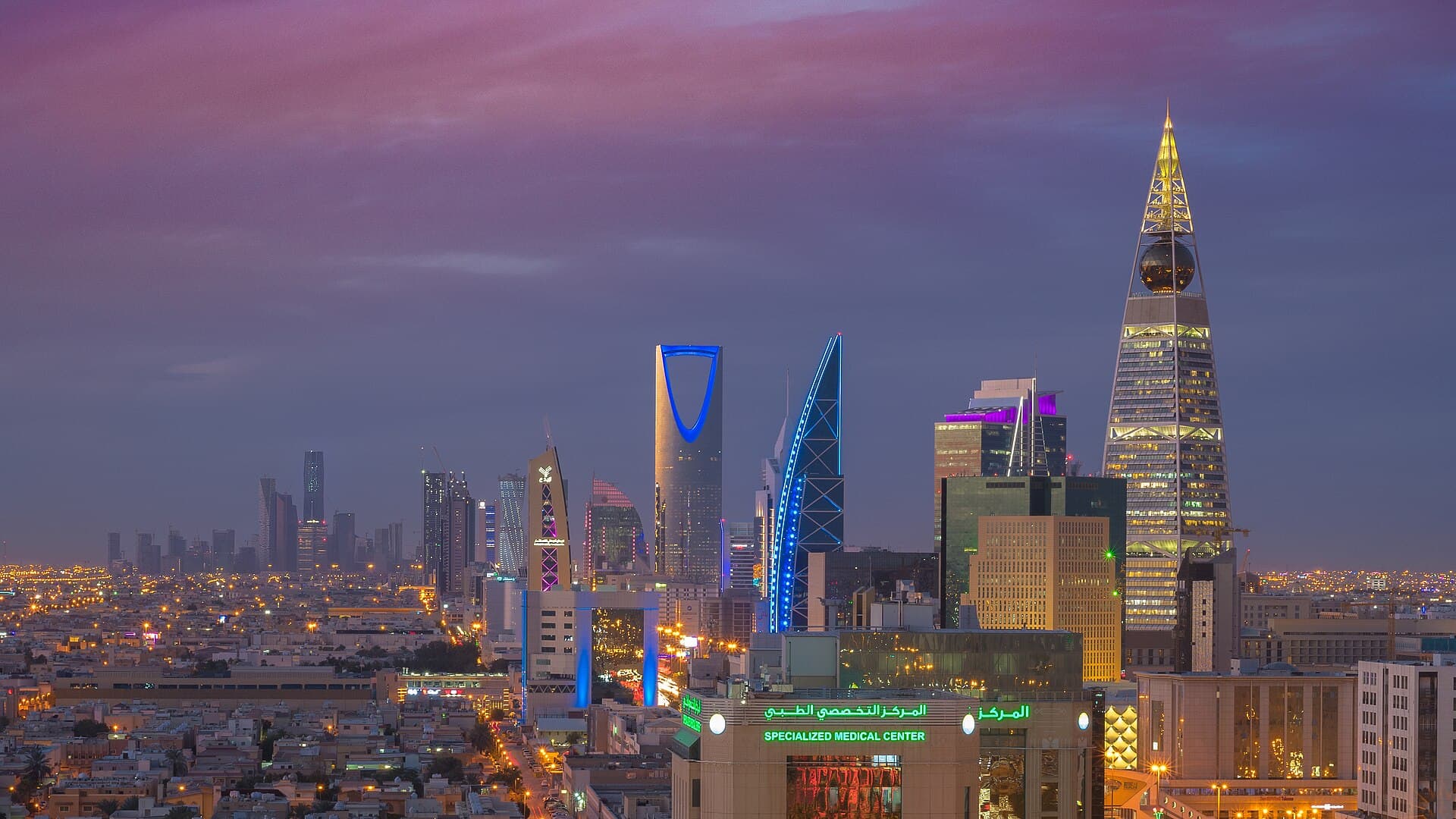
Diriyah has been restored and opened as a walkable museum quarter with a restaurant and cafe area alongside it, so it functions as an evening out as much as a history stop. That makes it the obvious place to put the outdoor half of a hot-season day, after dark rather than at noon. Diriyah and At-Turaif covers the district itself, and Riyadh after dark is the same principle applied to the modern city.
The same logic applies to Wadi Hanifa. The valley runs some 120 kilometres through the capital and is the city's largest natural park, rebuilt from a dumping ground into shaded trails, landscaped gardens and water channels, with the Stone Dam and Al Ulayb Park along it and restaurants and cafes at its edges. No reservation is required for any of it, so it absorbs whatever time is left at either end of a day without being planned for.
At-Turaif rewards the same treatment. It is the most complete surviving Najdi architecture at this scale - thick mud-brick walls, stepped parapets, triangular openings cut high in the walls for light and air - and it has been restored so that you walk through the streets rather than around a perimeter fence, which is exactly the kind of visit that is pleasant in the cool and punishing in the heat.
What runs year-round
The tourism authority describes cultural, artistic and sporting events taking place across Riyadh throughout the year, so there is rarely a dead month in the city itself. The museums and galleries are the reliable core: the sequence of halls at the National Museum makes the sites at AlUla, Diriyah and Najran far easier to read afterwards, and the fort beside it adds the founding story. Masmak Fort: what to expect and how to visit covers what to expect there.
Fitting Riyadh into the wider trip
Riyadh is the country's main air hub, so it is usually the arrival point whether or not it is the reason for the trip. That has a practical consequence for dates: if AlUla is also on the itinerary, its own window runs October to March, so the two align without compromise. The best time of year to visit AlUla sets that out, and Riyadh, AlUla and Tabuk builds the pair into one route.
Distances inside the city are large and it is built for driving, so a car and a driver do more for a Riyadh itinerary than a central hotel does. A Riyadh short break gives the centre, Diriyah and the escarpment room to breathe, and Riyadh and Al Ahsa adds the oasis to the east. For the rest of the planning, Riyadh: a first-timer's guide covers arrival and orientation, Things to do in Riyadh sets out the sites, and How many days do you need in Riyadh? answers how much time the city needs.