Spring in Saudi Arabia: Wildflowers, Weather and Crowds
Spring in Saudi Arabia, from February to April, brings milder weather, blooming wildflowers, and manageable crowds, making it one of the best seasons for exploring the country’s diverse landscapes and heritage sites. Travelers can expect comfortable temperatures, unique natural spectacles in the deserts and mountains, and a more relaxed experience at popular attractions compared to the winter peak.
Key Takeaways
- Spring (February–April) offers mild temperatures across most of Saudi Arabia, ideal for outdoor activities and sightseeing.
- Wildflower blooms are most spectacular in the Asir Mountains, Al-Qassim, and desert wadis after winter rains.
- Major cities like Riyadh and Jeddah are less crowded than in winter, but local holidays and Ramadan can affect crowd levels and opening hours.
- Alcohol is strictly prohibited everywhere in Saudi Arabia; plan accordingly for social and dining experiences.
- Entry to Makkah and the central area of Madinah is restricted to Muslims only; non-Muslims can visit other areas of Madinah and the rest of the country.
Choosing Spring: Why Visit Saudi Arabia Now?
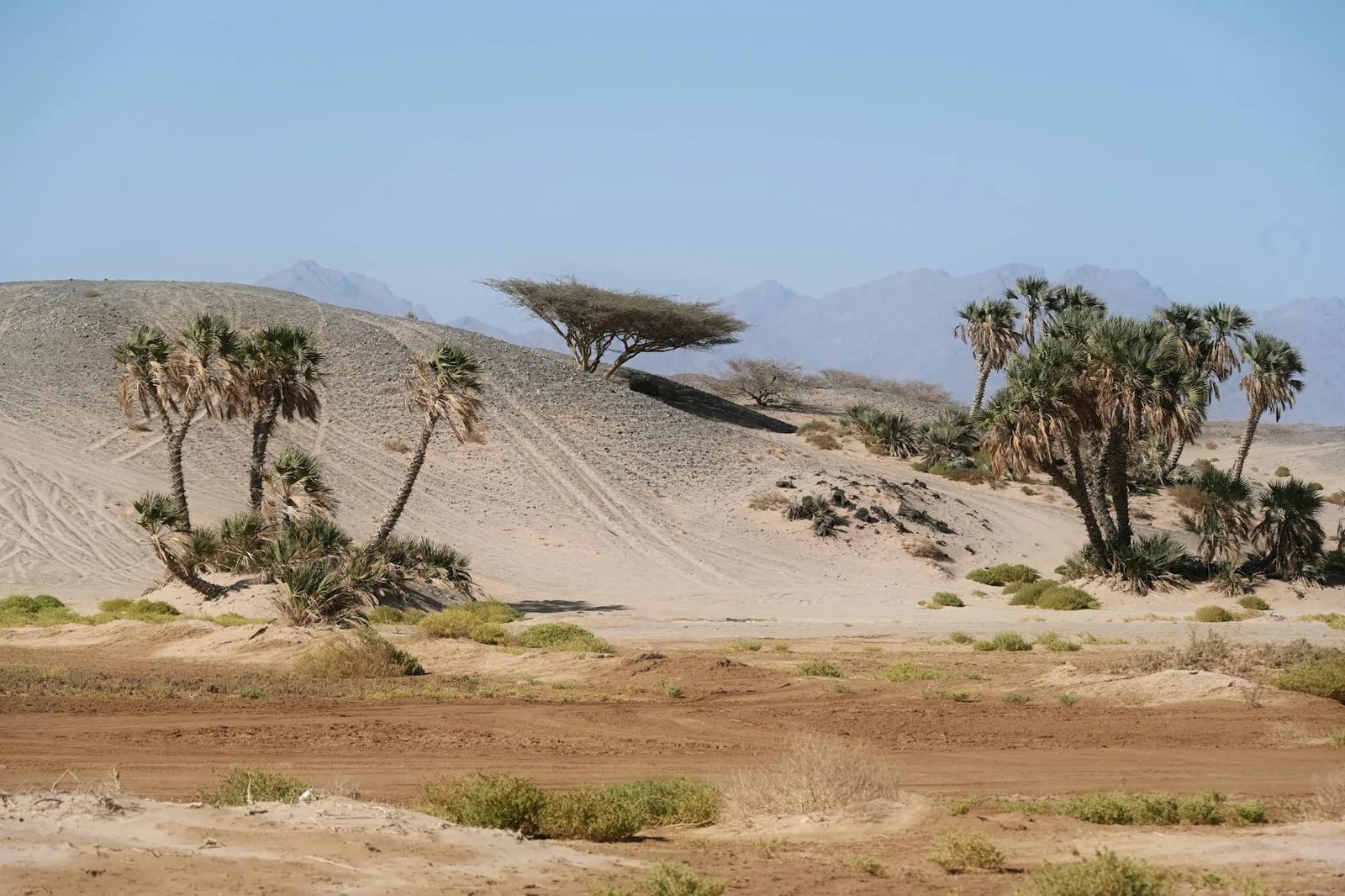
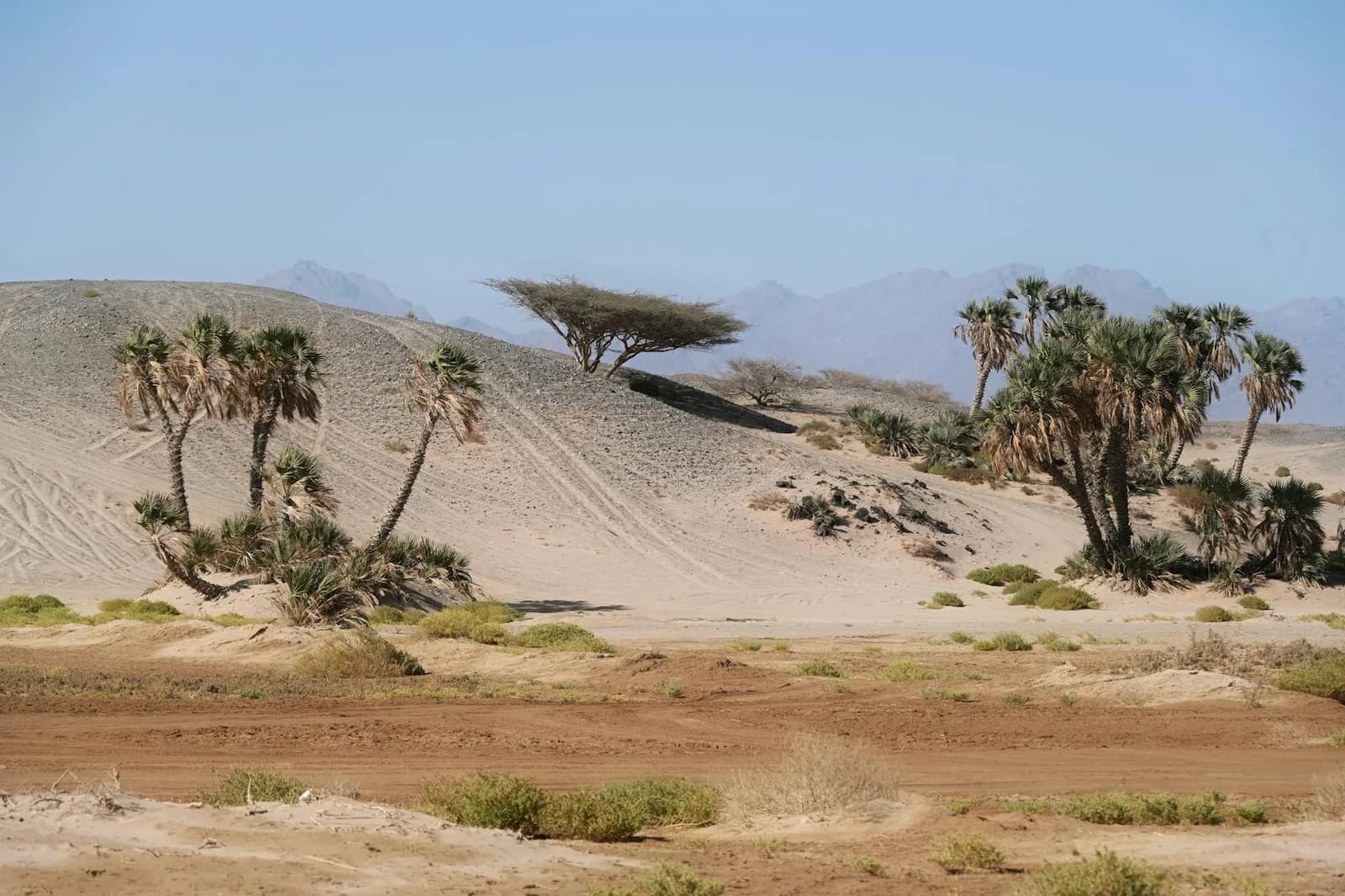
Spring bridges the gap between Saudi Arabia’s cool, busy winter and its scorching summer. The country’s climate varies widely: Riyadh and the central plateau see daytime highs in the mid-20s Celsius, while coastal cities like Jeddah and Dammam are warmer but still pleasant. This season is especially appealing for travelers who want to avoid both the winter crowds and the extreme heat of summer. It’s also when desert wildflowers—uncommon in the arid landscape—burst into bloom, especially after a rainy winter.
For a month-by-month breakdown of weather and events, see Best Time to Visit Saudi Arabia: Month by Month.
Where to See Wildflowers: Top Locations and Timing
Wildflowers are a spring highlight, but their appearance depends on winter rainfall. The Asir Mountains near Abha are renowned for their lush valleys and rare blooms, especially in March. Al-Qassim’s fields and the desert wadis (valleys) around Hail and Riyadh can also be carpeted in purple, yellow, and white flowers. In the north, Tabuk’s plains sometimes see ephemeral blooms after rain. The window for wildflowers is brief—usually late February to early April—so check local reports or social media for current conditions before planning a trip specifically to see them.
For more ideas on nature-focused trips, browse the Nature category.
Weather Patterns: What to Expect and How to Prepare
Spring weather is generally mild, but can be unpredictable, especially in the mountains and desert. Riyadh averages 15–28°C, Abha is cooler (10–22°C), and Jeddah can reach 30°C. Occasional sandstorms and rain showers are possible, especially in March. Pack layers, a windbreaker, and sun protection. Evenings can be chilly in the desert, while coastal humidity rises by late April. If you’re planning hikes or outdoor excursions, check forecasts a few days ahead and be flexible with your itinerary.
For a comparison with the country’s hottest months, read Visiting Saudi Arabia in Summer: Where It Is Bearable.
Crowds and Festivals: When Is It Busy?
Saudi Arabia’s winter (November–February) is the peak season for both international tourists and local travelers, especially in Riyadh and AlUla. By spring, crowds thin out, but certain events—like the Riyadh Spring Festival or school holidays—can temporarily increase visitor numbers. Ramadan, which moves each year, often falls in spring and affects opening hours (restaurants close during daylight, and some attractions have reduced hours or are busier after sunset). Check the lunar calendar for Ramadan dates and adjust plans accordingly.
To understand how winter differs, see Saudi Arabia in Winter: The Peak Season Explained.
Practicalities: Clothing, Conduct and Local Customs
Dress codes in Saudi Arabia have relaxed in recent years, but modesty is still expected. Both men and women should cover shoulders and knees in public; women are not required to wear an abaya (cloak) but many choose to for comfort. Headscarves are not mandatory for non-Muslim women, except in mosques or religious sites open to non-Muslims. Alcohol is illegal everywhere, and there are no exceptions for tourists. Public displays of affection are frowned upon. During prayer times (five times daily), many shops and restaurants close for 20–30 minutes, so plan shopping and meals around these breaks.
For essential information on what is and isn’t allowed at the border, read Saudi Arabia Customs Rules: What You Cannot Bring In.
Getting Around: Distances, Flights and Local Transport
Saudi Arabia is vast—distances between cities are long, and most travelers rely on domestic flights or private drivers. Riyadh to Abha is over 900 km (about 1.5 hours by air), while Jeddah to AlUla is 670 km. Intercity trains connect Riyadh, Dammam and Al-Qassim, but most routes require flying or long drives. Within cities, taxis and ride-hailing apps are reliable; public transport is limited outside Riyadh and Jeddah. For nature destinations, renting a car or joining a guided tour is often necessary, especially in spring when remote valleys and parks come alive.
For an itinerary that covers major highlights, see A first week in Saudi Arabia.
Top Spring Experiences: Nature, Culture and History
Spring is ideal for exploring Saudi Arabia’s diverse attractions. In Riyadh, stroll the restored Diriyah area or visit the National Museum of Saudi Arabia to understand the country’s history. Hike the green terraces of the Asir Mountains, or join a desert wildflower walk near Hail. AlUla’s rock formations and Nabataean tombs are less crowded than in winter but still accessible. For a guided nature walk, consider local day tours that focus on spring flora.
For a half-day nature walk in a historic oasis, try The Oasis on Foot.
Planning and Booking: Entry, Insurance and Safety
Saudi Arabia’s eVisa system covers citizens of many countries for tourism, but rules can change—always check the official government site before booking. Entry requirements may include proof of accommodation and return flights. Travel insurance is strongly recommended; check policies for coverage of outdoor activities, medical care, and cancellations. The country is generally safe for tourists, but take standard precautions with valuables and health. If you’re planning to drive, note that international licenses are accepted, but road conditions vary outside cities.
For detailed advice on insurance, see Travel Insurance for Saudi Arabia: What to Check.
Spring Trade-Offs: Pros, Cons and Who It Suits
| Factor | Spring (Feb–Apr) | Winter (Nov–Feb) | Summer (May–Sep) |
|---|---|---|---|
| Weather | Mild, some rain, wildflowers | Cool, dry, ideal for cities | Very hot, bearable only in highlands |
| Crowds | Moderate, busy during local holidays | High, especially at heritage sites | Low, except in mountain resorts |
| Wildflowers | Best time, especially after rain | Rare | None |
| Prices | Mid-range, rise during festivals | Peak rates for hotels and flights | Lowest, except in cool regions |
| Best for | Nature lovers, hikers, photographers | City breaks, culture, festivals | Budget travelers, mountain escapes |
For more on summer travel, see Visiting Saudi Arabia in Summer: Where It Is Bearable.
For a broader overview of the country’s attractions, visit the Saudi Arabia page.
Frequently Asked Questions
-
Where are the best places to see wildflowers in Saudi Arabia in spring?
The Asir Mountains near Abha, Al-Qassim’s meadows, and the desert wadis around Hail and Riyadh are the top spots for spring wildflowers, especially after a rainy winter. -
Is spring a good time to visit major cities like Riyadh and Jeddah?
Yes, spring offers mild weather and fewer crowds than winter, making it comfortable for sightseeing and cultural visits in Riyadh, Jeddah, and Dammam. -
How does Ramadan affect traveling in Saudi Arabia during spring?
During Ramadan, restaurants are closed during daylight hours and some attractions have shorter or altered opening times. Crowds can increase after sunset; check the Ramadan dates for your travel year. -
What should I pack for a spring trip to Saudi Arabia?
Pack layers for changing temperatures, a light jacket or windbreaker, sun protection, and modest clothing covering shoulders and knees. Sturdy shoes are recommended for nature walks. -
Are there guided tours for spring wildflowers and nature walks?
Yes, guided tours are available in regions like AlUla, Asir, and the historic oases. For example, The Oasis on Foot offers a half-day walk through a traditional oasis landscape. -
How do I find more travel advice and inspiration for Saudi Arabia?
For the latest tips and destination guides, see the Blog section.
Spring is the perfect season to experience Saudi Arabia’s natural beauty, vibrant culture, and unique history with fewer crowds and pleasant weather—start planning your journey now and discover a side of the kingdom few travelers have seen.