Best Time to Visit Saudi Arabia: Month by Month
The best time to visit Saudi Arabia is from November to March, when temperatures are mild across most regions and major festivals take place. However, the ideal month for your trip depends on your destination—coastal Jeddah, mountain Abha, or the desert heartland—and the activities you plan. Each season brings distinct weather, events, and travel trade-offs.
Key Takeaways
- Saudi Arabia’s peak travel season is November to March, with comfortable temperatures in Riyadh, Jeddah, AlUla, and the Empty Quarter.
- Summer (June–September) is extremely hot in most regions, but the Asir mountains around Abha and Taif offer cooler escapes.
- Ramadan and Hajj affect opening hours and travel logistics; check dates before booking.
- Distances between cities are vast—domestic flights are often the most practical way to cover ground.
- Dress codes are enforced but less strict than often described; modest attire is required in public, especially at religious sites.
Understanding Saudi Arabia’s Climate Zones
Saudi Arabia’s climate is not uniform: it ranges from the arid deserts of Riyadh and AlUla to the humid Red Sea coast of Jeddah, and the cool, green heights of the Asir mountains in the south. In central and northern regions, summer temperatures can exceed 45°C (113°F), while winter nights drop close to freezing. Jeddah and the Red Sea coast are hot and humid year-round, but sea breezes moderate the heat. The mountains around Abha and Taif are famous for their milder summers, attracting Saudis and visitors alike looking for relief from the lowland heat.
For a detailed look at the country’s diversity, see the Saudi Arabia overview page, which breaks down the main regions and their unique climates.
Month-by-Month: When to Visit Key Saudi Cities
Each city in Saudi Arabia has its own best season. Riyadh, the capital, is most pleasant from November to March, with daytime highs between 20–28°C (68–82°F). Jeddah’s coastal humidity peaks in summer, but the winter months are comfortable for exploring the Corniche and Old Town. Abha and Taif, set in the Asir mountains, are summer refuges, with temperatures rarely exceeding 30°C (86°F) even in July and August. Tabuk in the northwest is known for its cool winters and even occasional snowfall in January.
| City | Best Months | Typical Weather |
|---|---|---|
| Riyadh | November–March | Mild, dry, 20–28°C (68–82°F) |
| Jeddah | November–March | Warm, less humid, 25–32°C (77–89°F) |
| Abha | June–September | Cool, green, 20–28°C (68–82°F) |
| Tabuk | December–February | Chilly, possible frost, 5–18°C (41–64°F) |
| Taif | June–September | Pleasant, 22–30°C (72–86°F) |
For city-specific advice, see The Best Time of Year to Visit Riyadh, The Best Time of Year to Visit Jeddah, The Best Time of Year to Visit Abha, The Best Time of Year to Visit Tabuk, and The Best Time of Year to Visit Taif.
Winter (November to March): Prime Time for Most Travelers
Winter is Saudi Arabia’s high season. Daytime temperatures are comfortable for sightseeing, hiking, and desert excursions. Rainfall is rare but possible in the north and southwest. Major events such as Riyadh Season (an entertainment and cultural festival) and the AlUla arts and music festivals draw visitors from across the region. Outdoor attractions like the Edge of the World near Riyadh and the Nabataean tombs of AlUla are best explored in these months. Hotel prices and domestic flights are in highest demand, so booking ahead is wise.
For a historical itinerary that makes the most of the cooler months, consider A first week in Saudi Arabia, which covers key sites and cities ideal for winter travel.
Spring (April to May): Pleasant Weather and Fewer Crowds
Spring brings rising temperatures, but most of the country remains comfortable—especially in April. Wildflowers bloom in the Asir and northern regions after rare rains, making this a good time for hiking and photography. Tourist numbers are lower than in peak winter, so you’ll find better availability and prices on hotels and tours. However, by late May, the heat returns to central and eastern regions, and outdoor activities become more challenging outside the mountains.
This season is well-suited for Half Day excursions, which let you explore sites like Diriyah or the Red Sea coast in the cooler morning or evening hours.
Summer (June to September): Mountain Retreats and Coastal Breaks
Summer in most of Saudi Arabia is extremely hot, with daytime highs often above 45°C (113°F) in the interior. However, the southwest mountains around Abha and Taif are transformed by the monsoon-like Asir rains, turning hills green and drawing families from across the Gulf. Abha’s Souda National Park and Taif’s rose farms are at their best, while the Red Sea coast offers diving and water sports. Inland cities like Riyadh and AlUla are best avoided unless your activities are indoors or at night.
For those seeking adventure, the summer months are the time to explore the mountains and coast. Browse the Adventure category for inspiration, including hiking, caving, and diving experiences.
Autumn (October): Shoulder Season and Festival Openings
October marks the transition from scorching summer to mild winter. Temperatures drop rapidly, especially in the north and central regions, making it an increasingly popular month for travelers who want to avoid crowds and peak prices. Riyadh Season and other major festivals often begin in late October, and outdoor attractions reopen for the cooler months. This is a good time for road trips, as desert landscapes are still dramatic and the weather is ideal for camping and stargazing.
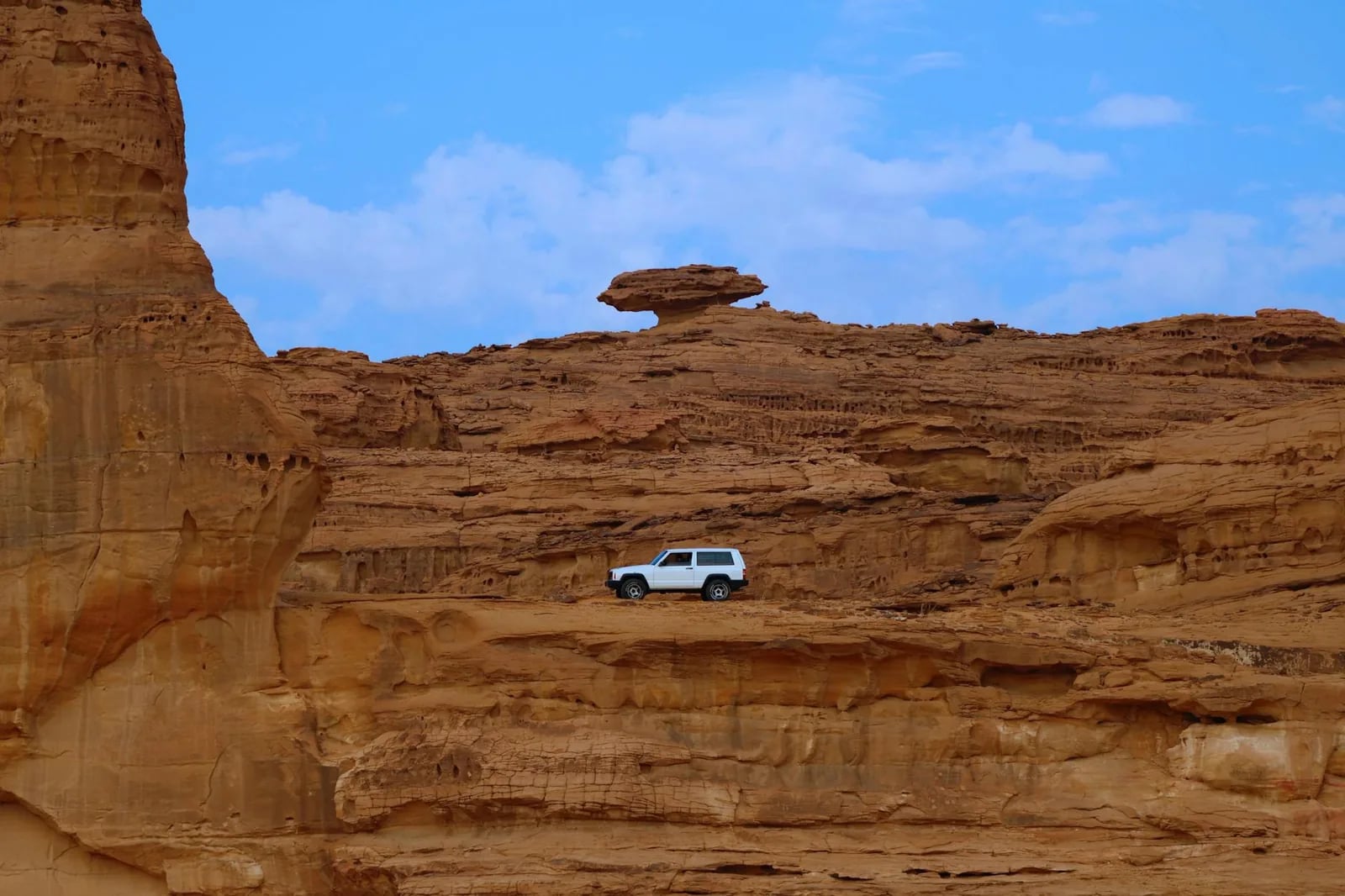
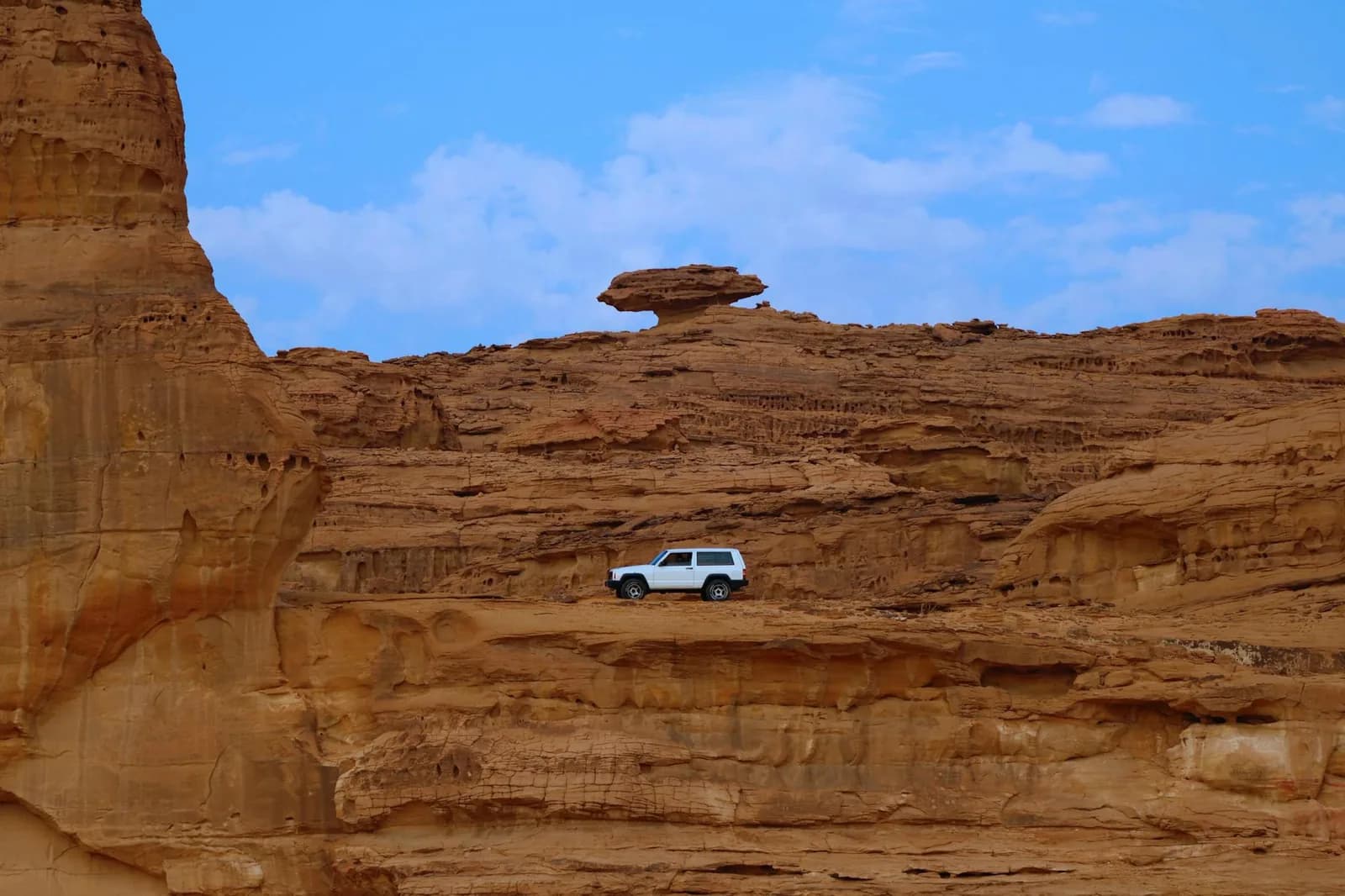
For a taste of Saudi’s natural beauty, consider a Sharaan Nature Reserve 4x4 tour in AlUla, which is more comfortable in the autumn shoulder season.
Religious Calendar: Ramadan, Hajj, and Their Impact on Travel
Saudi Arabia’s Islamic calendar shapes the rhythm of life and travel. Ramadan, the month of fasting, shifts each year by about 10 days. During Ramadan, restaurants and cafes are closed during daylight, and opening hours for museums, shops, and attractions are reduced or shifted to the evening. Non-Muslim travelers are welcome during Ramadan but must respect local customs by avoiding eating and drinking in public during daylight hours. Hajj, the annual pilgrimage to Makkah, brings millions of Muslims to the country—non-Muslims cannot enter Makkah or the central area of Madinah, and accommodation in those cities is heavily booked. Check the current year’s Ramadan and Hajj dates before planning your trip, as they can fall in any season.
For cultural sites outside the religious centers, the National Museum of Saudi Arabia in Riyadh is open to all, but check for special Ramadan hours before visiting.
Outdoor Activities: Hiking, Diving, and Desert Adventures by Season
Saudi Arabia’s outdoor scene is growing rapidly. Hiking and camping in the desert or mountains is best from November to March, when temperatures are mild and the risk of heatstroke is low. The Red Sea offers year-round diving, but visibility and water temperature are best from October to May. The Empty Quarter (Rub’ al Khali) and the volcanic Harrat landscapes near Madinah and AlUla are only accessible with guides and are best visited in the cooler months. In summer, mountain areas like Abha host festivals and cultural events that showcase the region’s unique heritage and cuisine.
For a curated list of half-day excursions, see the Half Day tour options, which span hiking, historical walks, and nature trips.
Festivals and Events: Planning Around Saudi’s New Cultural Calendar
Since opening to tourism, Saudi Arabia has launched dozens of new festivals and events, especially in winter and spring. Riyadh Season (November–March) brings concerts, art installations, and food pop-ups to the capital. AlUla hosts the Winter at Tantora festival, with music, hot air ballooning, and heritage experiences. Jeddah Season (usually in summer) focuses on the coast, with fireworks and open-air performances. Dates change each year, so check the official event schedules when planning. Booking accommodation and domestic flights early is recommended if your visit coincides with a major festival.
For help building a trip around these highlights, the A first week in Saudi Arabia package is designed to align with the festival calendar and the most comfortable travel months.
Frequently Asked Questions
-
When is the weather coolest in Saudi Arabia?
The coolest weather is from November to March, especially in Riyadh, AlUla, and the northern regions. Mountain areas like Abha and Taif are also cool in summer. -
Can non-Muslims visit Makkah or Madinah?
Non-Muslims cannot enter Makkah or the central area of Madinah. However, non-Muslims can visit other parts of Madinah and the rest of the country freely. -
How does Ramadan affect travel in Saudi Arabia?
During Ramadan, restaurants and cafes are closed during daylight, and many attractions have reduced or shifted hours. Non-Muslims should avoid eating and drinking in public during the day. -
Is it possible to visit the desert in summer?
Visiting the desert in summer is not recommended due to extreme heat. Desert trips are best from November to March, when temperatures are milder and conditions are safer. -
What should I wear when visiting Saudi Arabia?
Dress modestly: long trousers or skirts and tops with sleeves are expected in public. Women are not required to wear an abaya or cover their hair except at religious sites, but modest attire is enforced. -
Where can I find more information about outdoor adventures in Saudi Arabia?
Visit the Adventure category for up-to-date options on hiking, diving, and mountain activities.
Saudi Arabia’s travel seasons are as diverse as its landscapes. Whether you’re drawn to the winter festivals, mountain escapes, or cultural heritage, planning your visit by month will help you make the most of your time. Start exploring your options and book early for the best experience.