Three places in western Saudi Arabia that sit close together and read completely differently: Jeddah on the Red Sea coast, Madinah inland in the Hejaz, and Taif in the mountains, where the air stays mild while the lowland is at its worst.
One point is worth stating plainly, because it is widely assumed to work the other way round. Madinah is open to visitors of any faith, while access to certain sacred areas, including Al Masjid an Nabawi, is restricted to Muslims. Makkah is different: it is closed to non-Muslims entirely, and this route does not enter it. A non-Muslim traveller sees the city, its historic neighbourhoods, date farms and museums, Uhud and the old lava fields, but not the sacred sites at the centre. Muslim travellers who want Al Rawdah Al Sharifah need a permit, booked in advance through Nusuk.
The pace is slow and the driving days are short, which makes it workable with children and with anyone who does not want long transfers.
Day by day
Arrive Jeddah
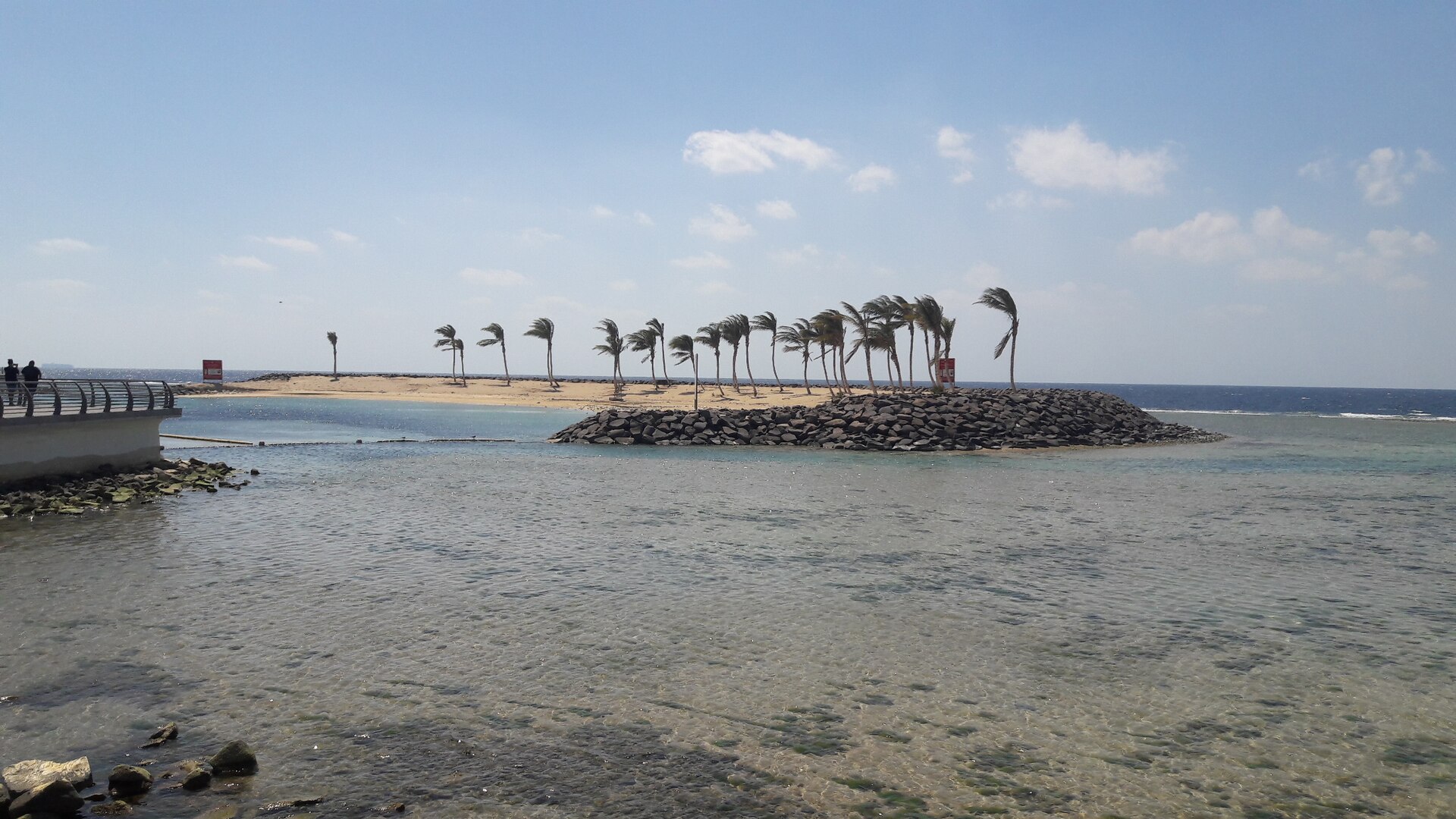
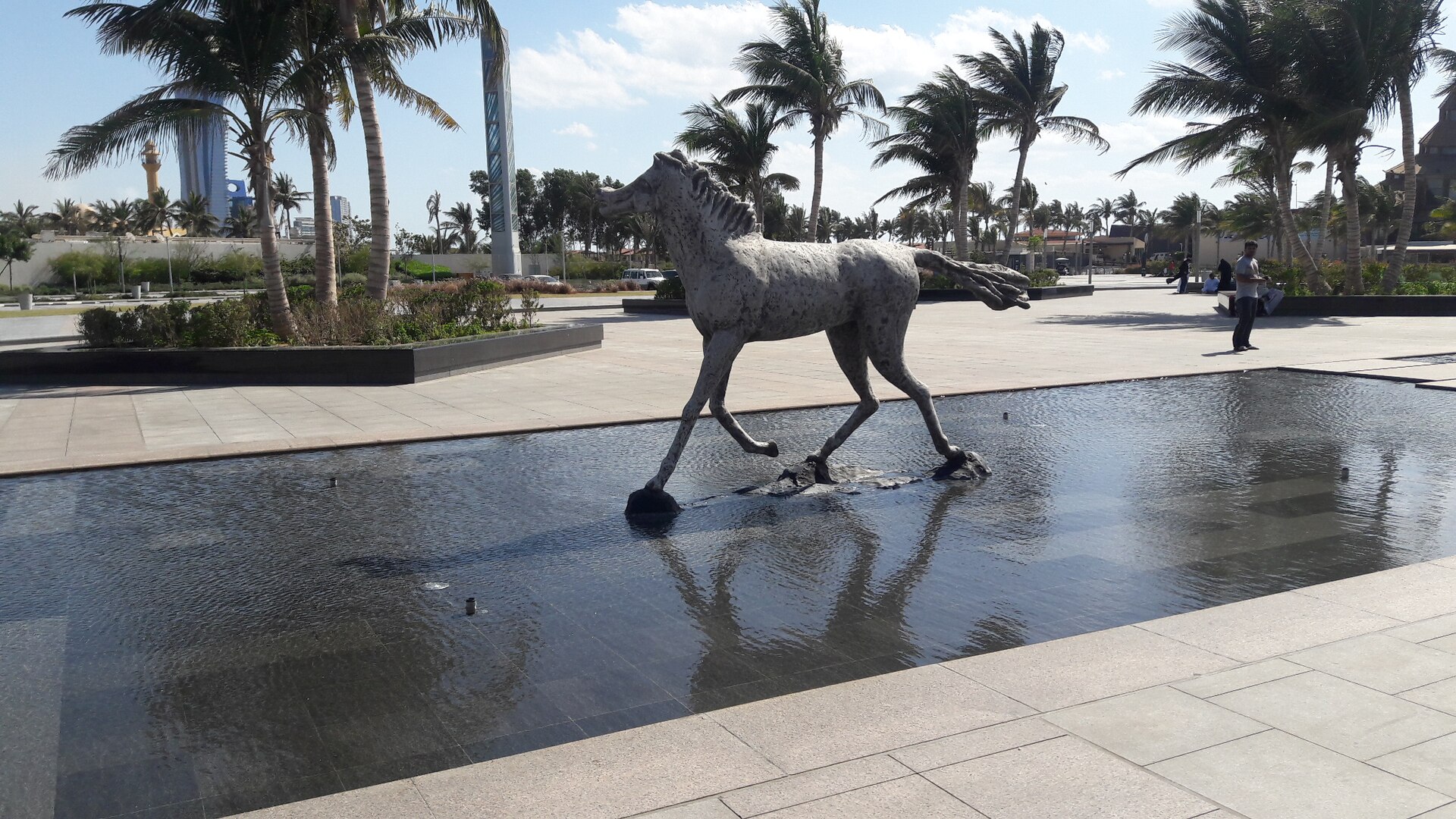
You are met at the airport and driven to your hotel. Nothing is scheduled. Jeddah is the most relaxed of the big Saudi cities, and if you arrive with the afternoon still in front of you the seafront, which runs for over 30 kilometres, is a short drive from most hotels.
Historic Jeddah
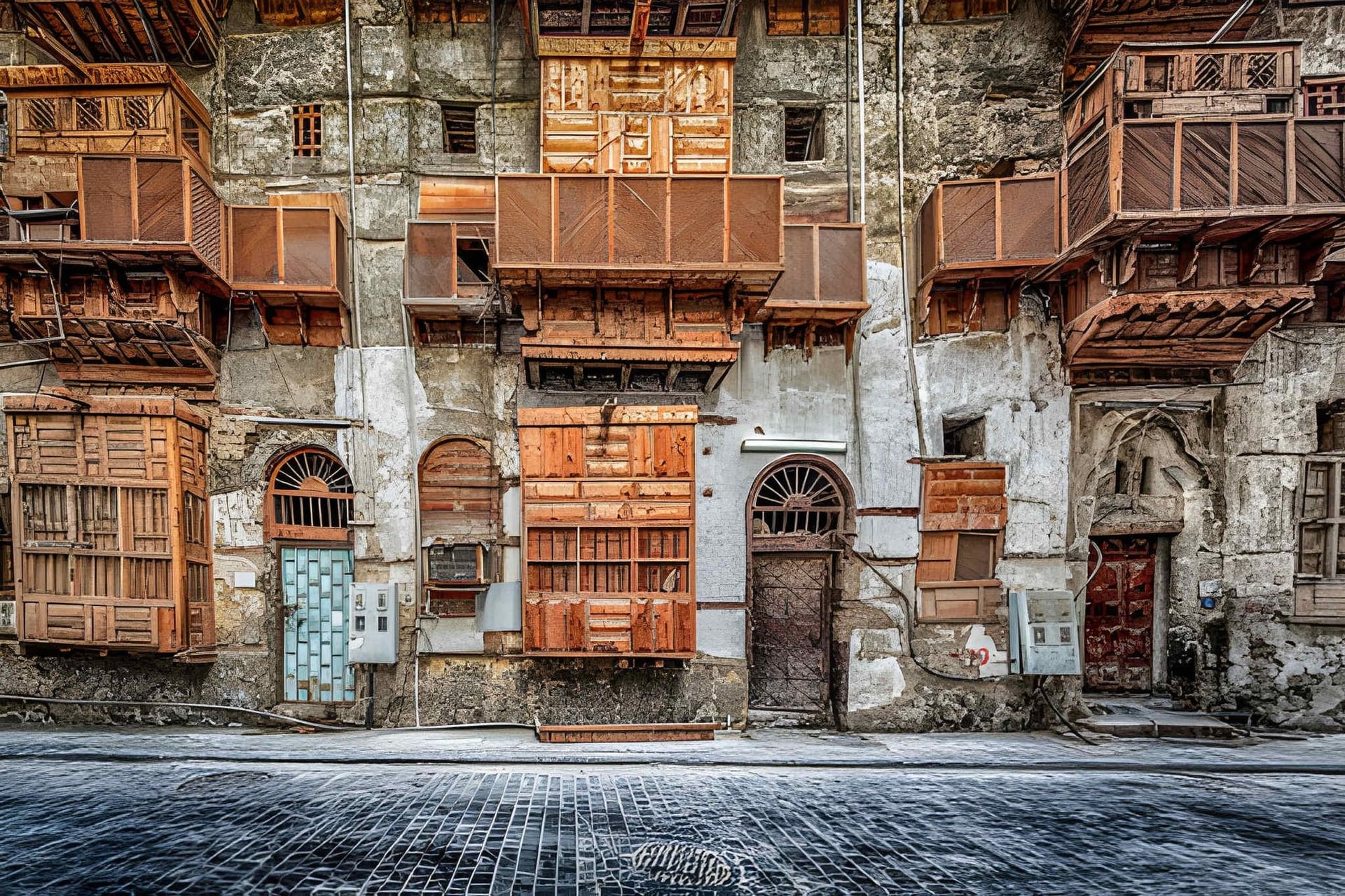
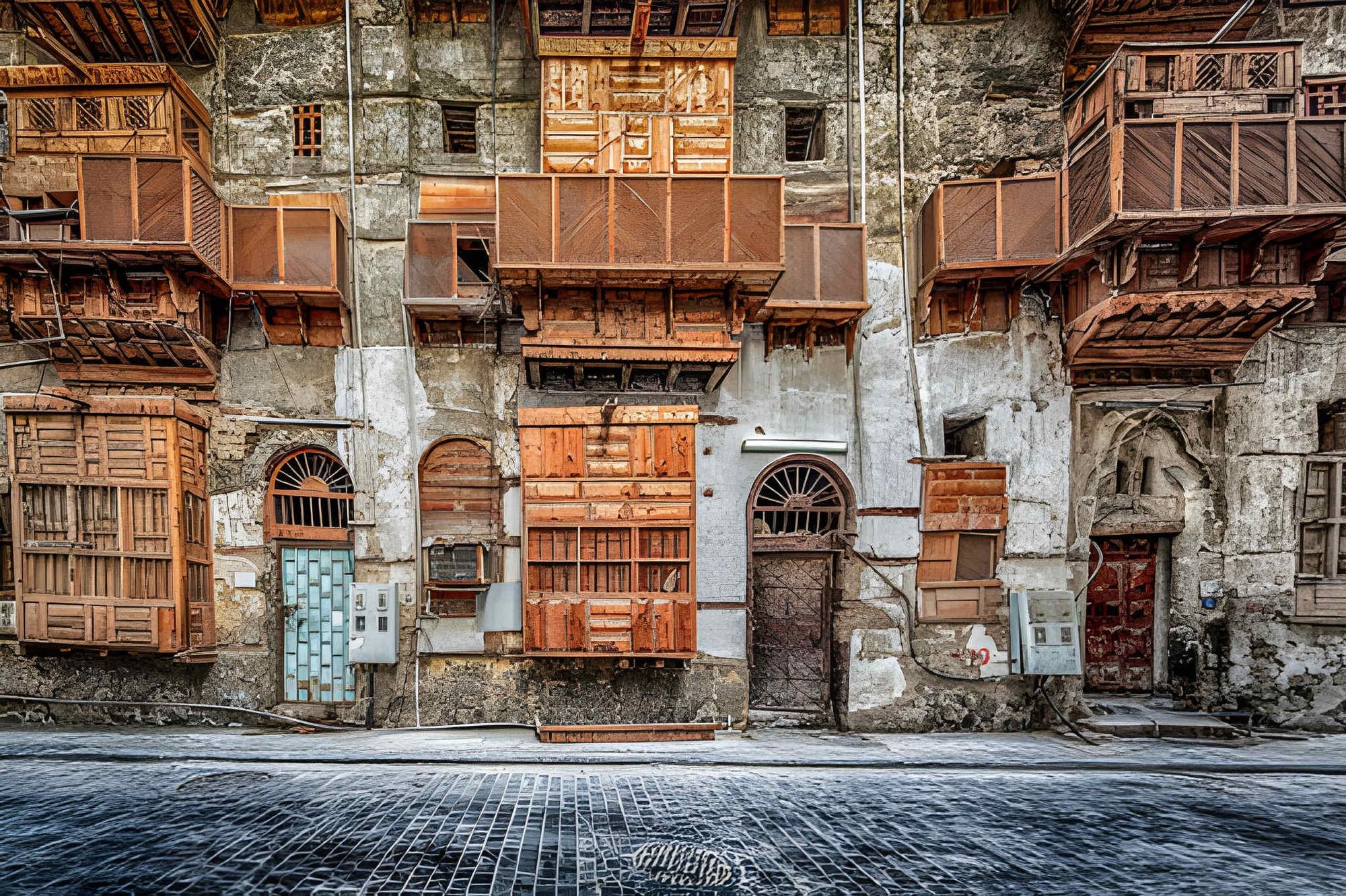
The morning is spent in Historic Jeddah, known locally as Al-Balad and on the UNESCO World Heritage List since 2014. Jeddah has been a major port on the Indian Ocean routes since the 7th century AD and the point where pilgrims arrived by sea for Makkah, and the trade that came with both roles paid for the quarter: tower houses of coral stone, faced in the carved wooden bay windows called roshan. Restoration is running building by building and a good part of the quarter is propped, so it is a working site rather than a finished one. Jeddah is also the usual base for Red Sea diving on this stretch of coast, and a half-day on the water can be added here instead of the free afternoon.
Haramain train to Madinah
You take the Haramain high-speed line north to Madinah, which is the simplest way to make this move and leaves the middle of the day intact. Madinah is a city of orchards and volcanic plains in the Hejaz, and it holds a central place in Islamic history as the city that welcomed the Prophet Muhammad, peace be upon him, after the Hijrah. The afternoon is unstructured so you can settle into the pace of the place, which is set by prayer times rather than by opening hours.
Madinah
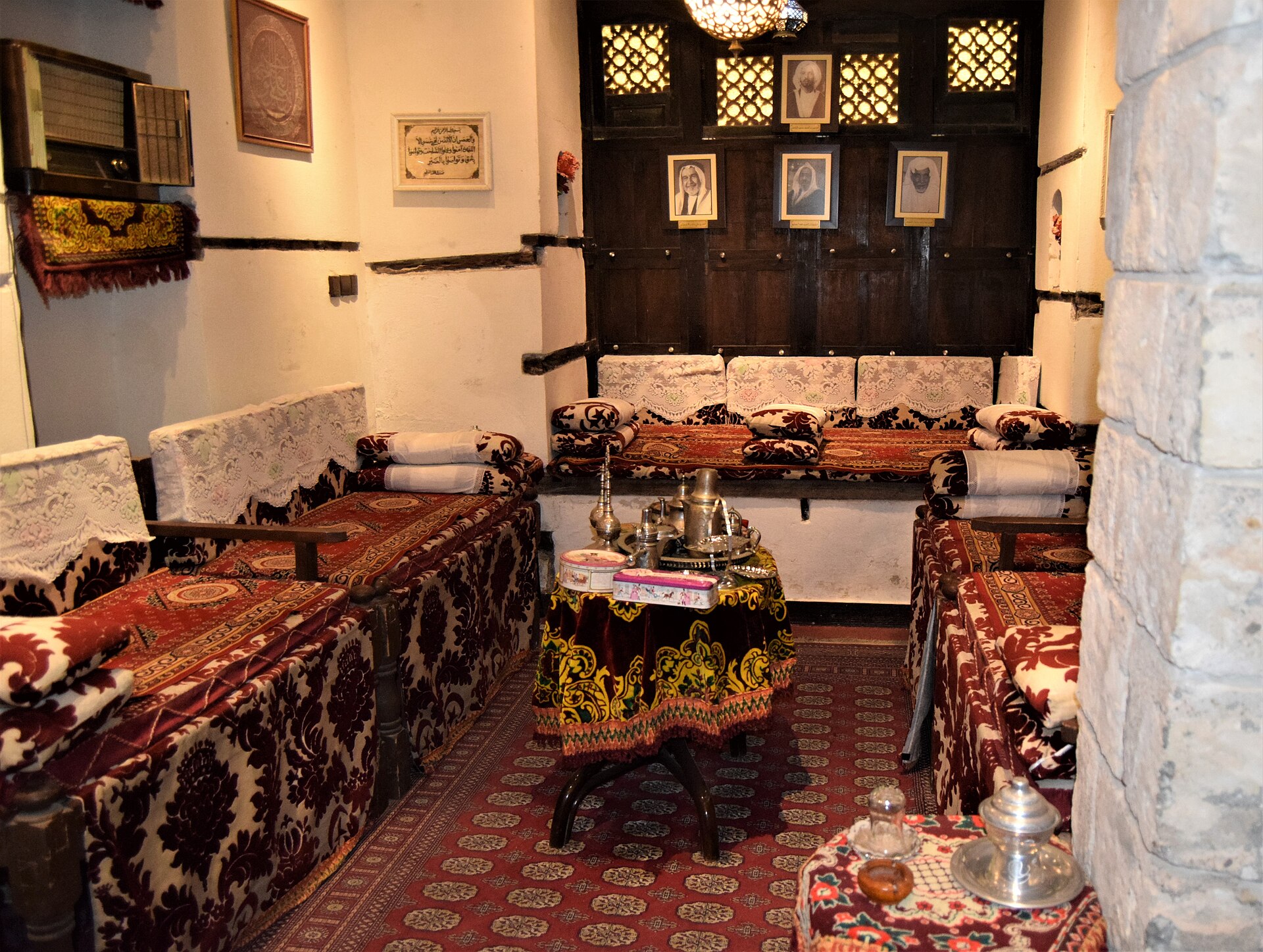
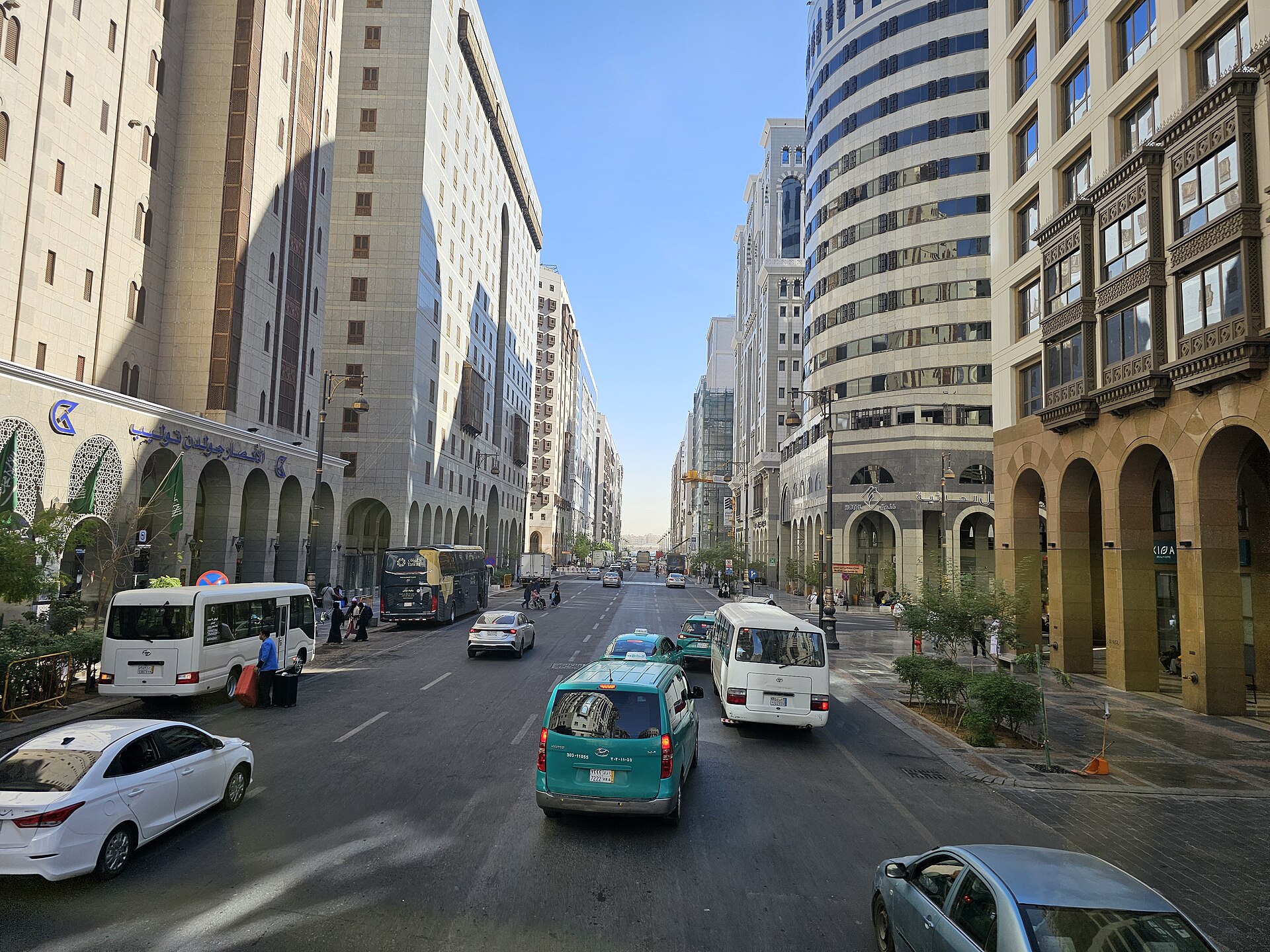
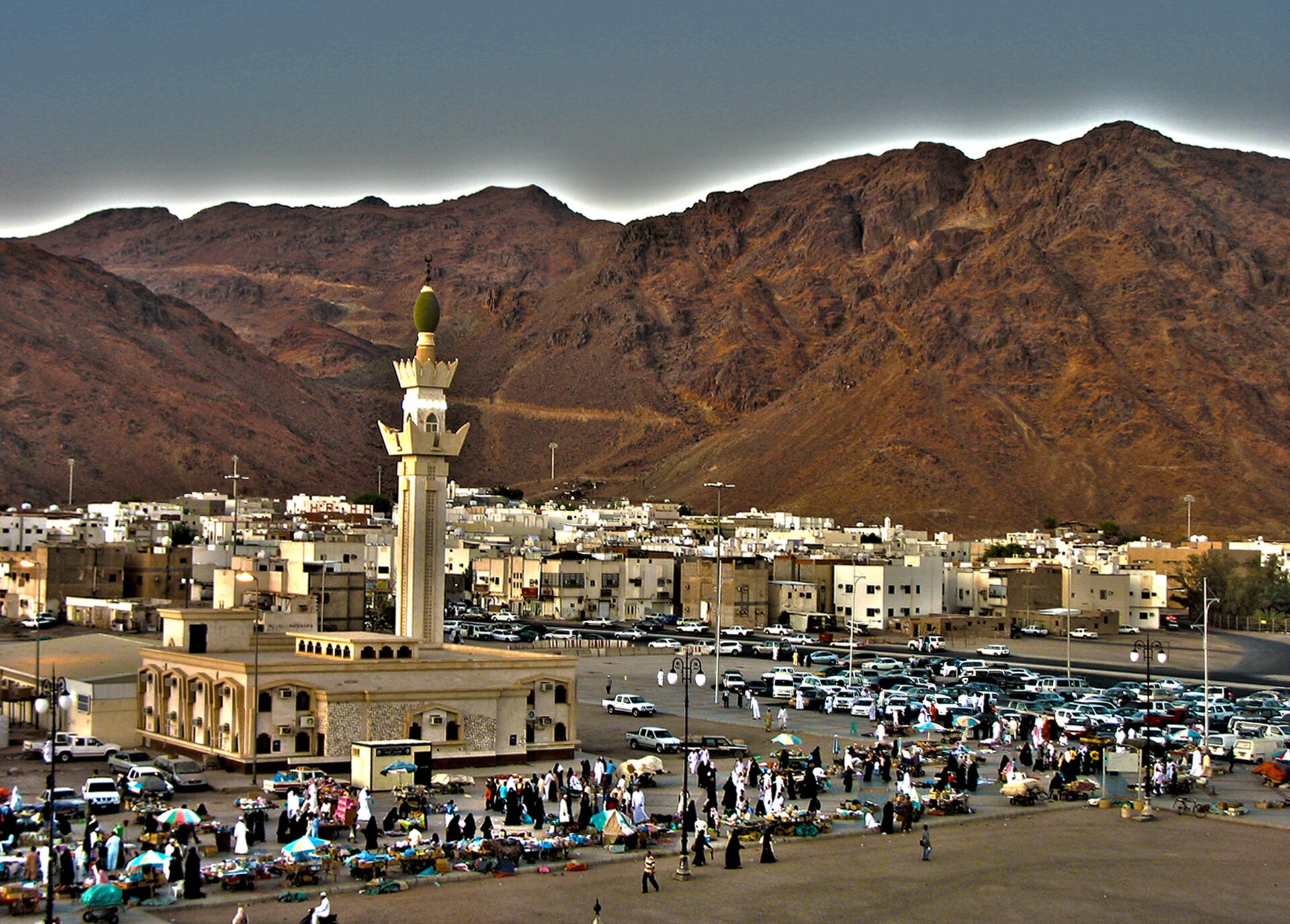
A full day in the city with your guide. Alongside its sacred significance Madinah preserves historic neighbourhoods, and the ground around it is unlike anywhere else in the Hejaz: date farms, Uhud mountain and the old lava fields. The city is known for a calm atmosphere, and the day is planned to sit outside peak prayer times and away from major seasons where the calendar allows, which makes everything easier. Where a site is restricted to Muslims, that is set out in advance rather than discovered at the door.
Back to Jeddah, then up to Taif
The Haramain line takes you back down to Jeddah in the morning. From there you drive inland and climb into the Sarawat mountains to Taif, watching the temperature drop as the road gains height. The route does not pass through Makkah. You check in and the evening is free.
Taif roses and Al Hada
Roses are the town's signature and a real industry rather than a story told for visitors. The cycle begins each December, when growers return to care for the fields and bushes; about 55 days later the petals are picked and taken in bushels to the extraction factories, which produce rose water and perfume oil. If you are here in spring, the Taif Rose Festival is held annually at Al Rudaf Park. In the afternoon you drive Al Hada Mountain, part of the Sarawat range running in a curved line about 87 kilometres between Taif and Makkah. The road has been in use for a thousand years and was traditionally known as Darb Al-Jammalah, the way of the camel caravans. At around 2,177 metres there are acacia and juniper along the roadside and stalls selling rose water, fruit and warm drinks, and a cable car runs down to Al-Kar Tourist Village.
Al Shafa, then down to the coast
Al Shafa is about 30 kilometres from Taif and rises over 2,500 metres above sea level. The top is cool and green, with juniper, white fog along the tall Sarawat peaks, and fields of pomegranate, grape and fig on the slopes below. The heritage villages and old forts here keep their traditional stone doors and windows. You come back down to Jeddah in the late afternoon for the last night. If you would rather trade this day for the Al Wahbah crater, the largest and deepest volcanic crater in the country at 3,000 metres across, say so when you book: it is a long day out from Taif rather than a short outing, and the schedule has to be rebuilt around it.
Departure
You are driven to the airport in Jeddah for your flight. Late check-out and luggage storage are arranged where the flight is late in the day, and the transfer time is set to suit it.
What is included
- Seven nights' accommodation with daily breakfast
- Haramain high-speed train tickets between Jeddah and Madinah, both directions
- Private air-conditioned vehicle with driver for all transfers and sightseeing
- English-speaking guide on all sightseeing days
- Site entry and permits where these are required
- Meet and assist at the airport on arrival and departure
- Bottled water in the vehicle
- A 24-hour contact number for the duration of the trip
What is not
- International flights to and from Saudi Arabia
- The Saudi entry visa, which is applied for through the official government portal
- Travel insurance
- Lunches, dinners and drinks unless stated in the itinerary
- Tips and personal spending
The places on this trip
Send us your dates
We come back with the itinerary written out and one clear cost.