The short answer: the cool months
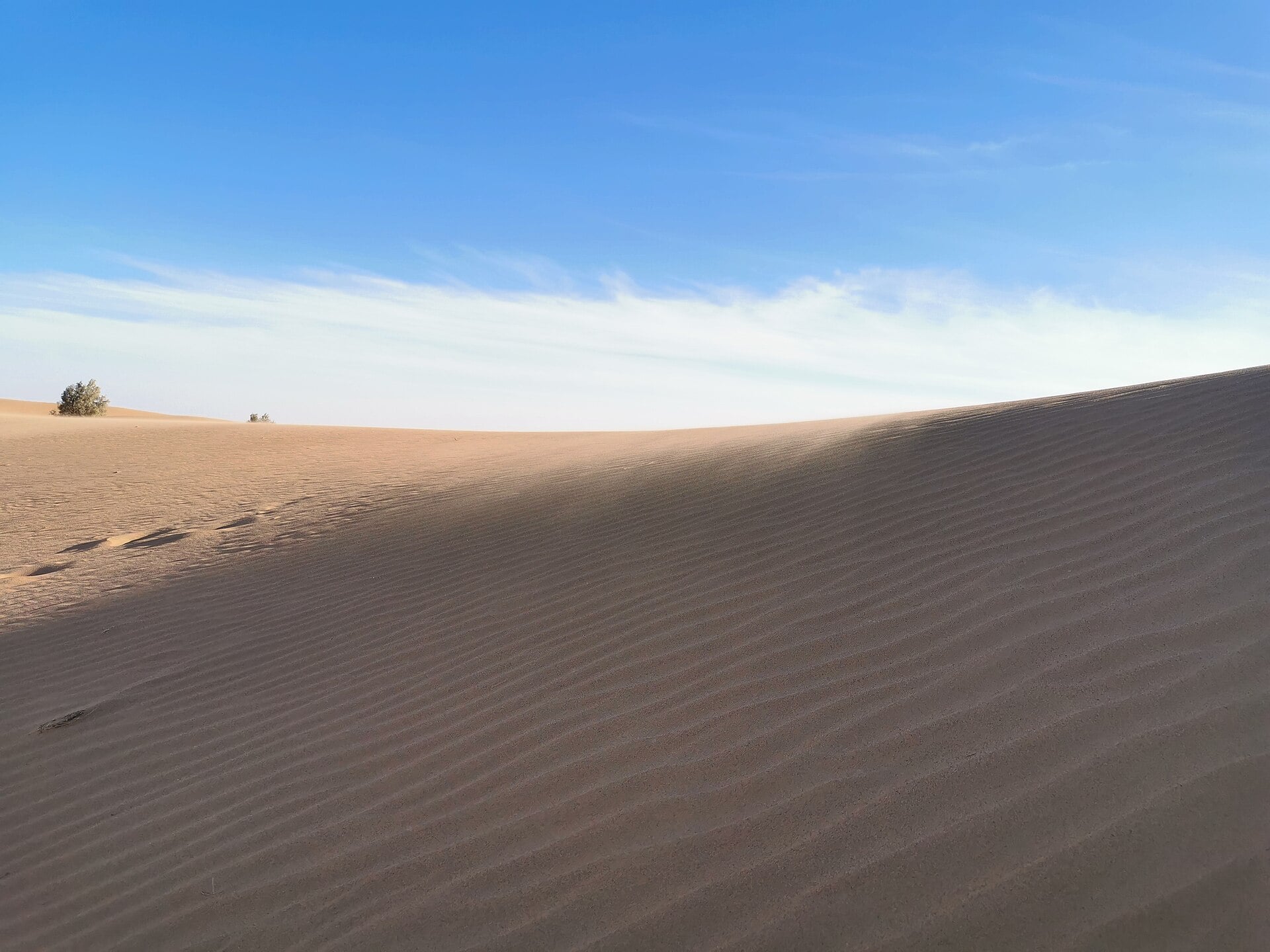
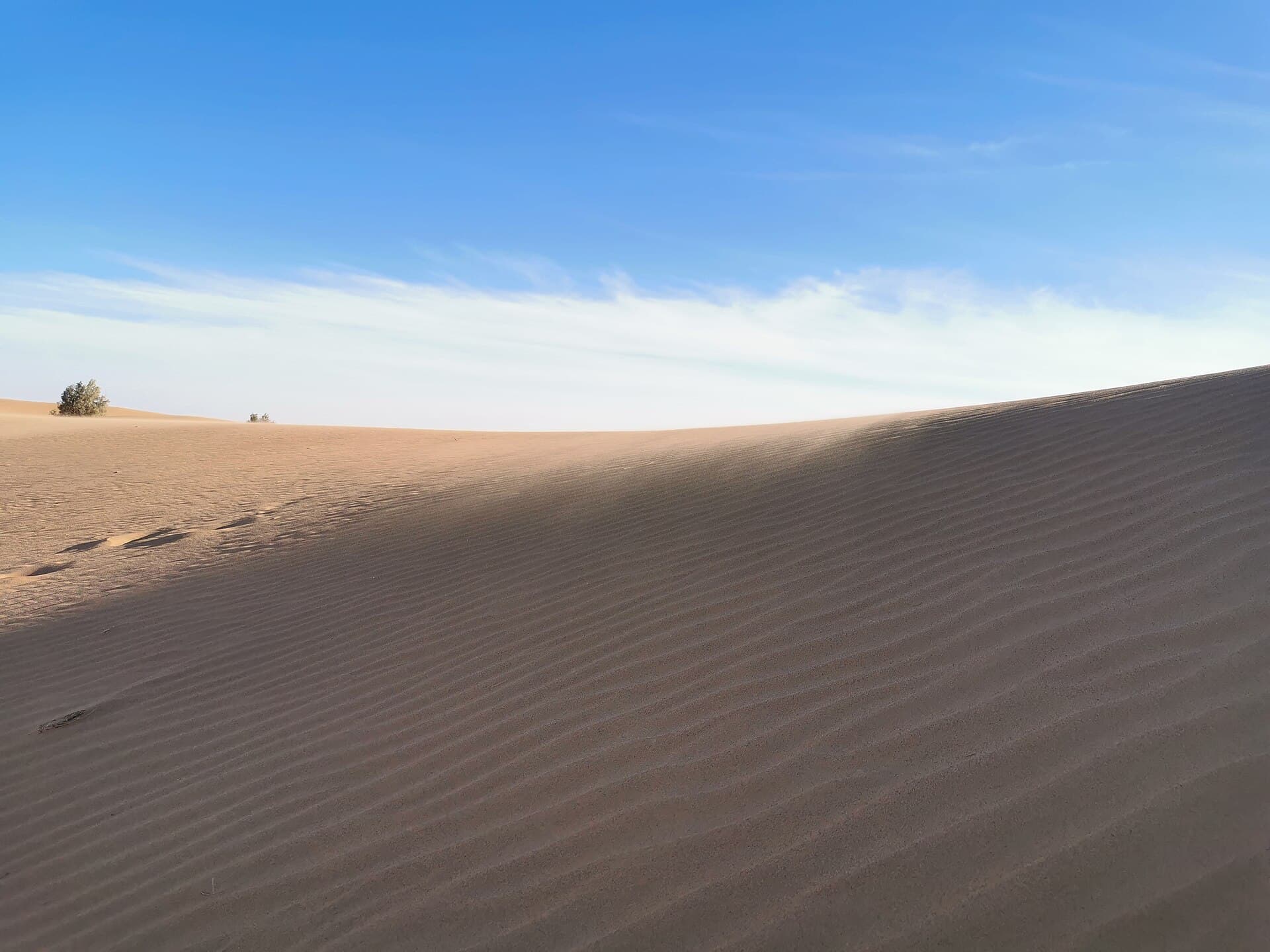
Tabuk's interest is outdoors — sandstone desert, the canyon country running toward the Jordanian border, and the point where Saudi Arabia's Red Sea coast begins — so the cool half of the year is when it works. The city itself holds enough indoor history to fill a day in any season, but the province is what you came for, and the province is weather.
What Tabuk is
Tabuk is the north-west: sandstone, the Hejaz Railway, and canyons. The province holds a large number of archaeological sites, including the carved tombs at Maghaer Shuaib, and it is the setting of the story of the prophet Moses, who lived nearby for a decade. It marks the start of the Saudi Red Sea coast, with seaside towns and clear water, and it is also the site of NEOM. Tabuk has an airport and is the natural base for the far north-west.
Why the season decides more here than in a city
The landscape west and south of the city is what the region is really known for, and it is sandstone and canyon country rather than anything you step inside. Wadi Disah is where most of that time goes, and the Wadi Disah canyon day gives it a full day. That is the half of a Tabuk trip the season really governs. The other half is the city, which holds enough archaeology, exhibits and old-road history to fill a day whatever the month — so a hot-season trip is not empty, it is weighted differently.
| What you want | Cool months | Hot months |
|---|---|---|
| Wadi Disah and the canyon country | The reason to be here | The hardest part of the province to take on in the heat |
| Tabuk Castle and the Mud House | Works | Works — this is the indoor half of the city |
| The Hejaz Railway station | Works | Works, but it is an open site |
| Prince Fahad Bin Sultan Park | Nights in Tabuk can be cold | An early or late stop, not a midday one |
| Pairing with AlUla | Inside AlUla's October-to-March window | Outside it; summer in that valley is severe |
The indoor half of the city
Tabuk Castle was built on the old road connecting Damascus to Madinah. Its construction dates to 1559, its towers were used for watching and guarding that road, and it was a station for pilgrims heading to Masjid Al-Haram as well as for trade and travel caravans. It has been restored twice under Saudi Arabia and holds archaeological inscriptions, old photographs and heritage exhibits, with a room given over to documentary films. There is no ticket. The Mud House Museum holds another set of the region's archaeological material, and Al-Tawbah Mosque, tied to the events of the Battle of Tabuk, sits at the centre of the markets and neighbourhoods clustered around it. Tabuk old town and castle takes in the castle and the quarter around it, which is the day to keep in reserve for the hottest part of a trip.
Prince Fahad Bin Sultan Park covers 500,000 square metres of grass and trees. The tourism authority's own description of it — a sunny day or a cold night in Tabuk — is a useful corrective to the idea that the north is uniformly hot.
The Hejaz Railway
The station in the city belongs to a line begun in 1900 and finished eight years later, built to connect Damascus and Madinah in a journey of no more than five days where the crossing had previously taken 45. Inside Saudi Arabia the line runs from Halat Ammar in the north south to Madinah through 23 stations set about 20 kilometres apart, and it crosses the longest bridge in the country over Wadi Al-Akhdar. The first train reached Madinah on 22 August 1908, and by 1914 the number of pilgrims carried had reached 300,000. The First World War damaged large parts of the line and the service stopped. There is no ticket at the station.
Pairing Tabuk with AlUla
Most Tabuk trips are half of a north-west pair, and here the dates agree rather than fight. October to March is the workable window in AlUla, where summer is severe, and that is the same window that suits Tabuk's canyons and desert. Hegra, the largest surviving Nabataean city after Petra and the first Saudi site inscribed on the UNESCO World Heritage List, is entered by guided tour only and daily numbers are capped, so it should be booked before you travel rather than on arrival. AlUla & Tabuk and Riyadh, AlUla & Tabuk both run in that window, and the AlUla season sets out the dates in detail.
Putting a trip together
A Tabuk short break through the cool months is the straightforward version: the city's castle and station, then the canyons and the desert west and south of it. For orientation before you go, Tabuk: a first-timer's guide; for what fills the days, Things to do in Tabuk.