Overview
Hegra is the largest surviving Nabataean city after Petra, and the first place in Saudi Arabia to be inscribed on the UNESCO World Heritage List.
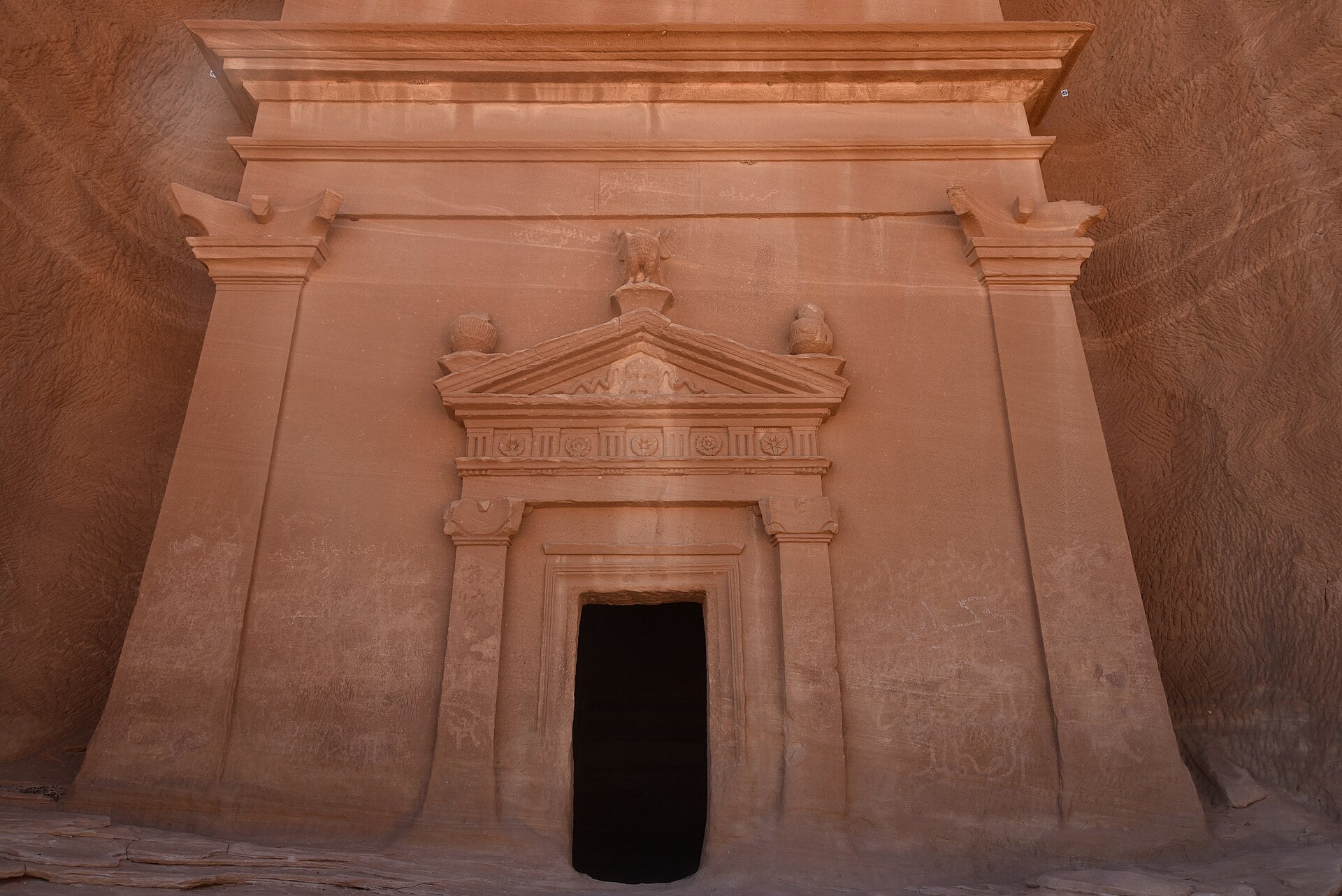
Hegra is the largest surviving Nabataean city after Petra, and the first place in Saudi Arabia to be inscribed on the UNESCO World Heritage List.
More than 110 tombs are cut into sandstone outcrops scattered across the desert floor, their facades carved directly into the rock. The site was occupied from before the 1st millennium BCE and became the Nabataeans' southern capital, on the incense road running north to Petra and the Mediterranean.
One tomb has a name attached to it. Hinat's burial was excavated in 2008, and the reconstruction of her face is shown at the Hegra Visitor Centre - one of the few points in the whole valley where the site stops being architecture and becomes a person.
Hegra is not a place you wander into. Access is by guided tour with an AlUla Rawi, the local storyteller-guides, travelling between the tomb clusters by vehicle. Numbers each day are capped, so book before you travel rather than on arrival.
Nearby: AlUla, Dadan, Jabal Ikmah.
The Hegra Archaeological Site (al-Hijr / Madā ͐ in Ṣāliḥ) is the first World Heritage property to be inscribed in Saudi Arabia. Formerly known as Hegra it is the largest conserved site of the civilization of the Nabataeans south of Petra in Jordan.
Hegra was inscribed on the UNESCO World Heritage List in 2008.
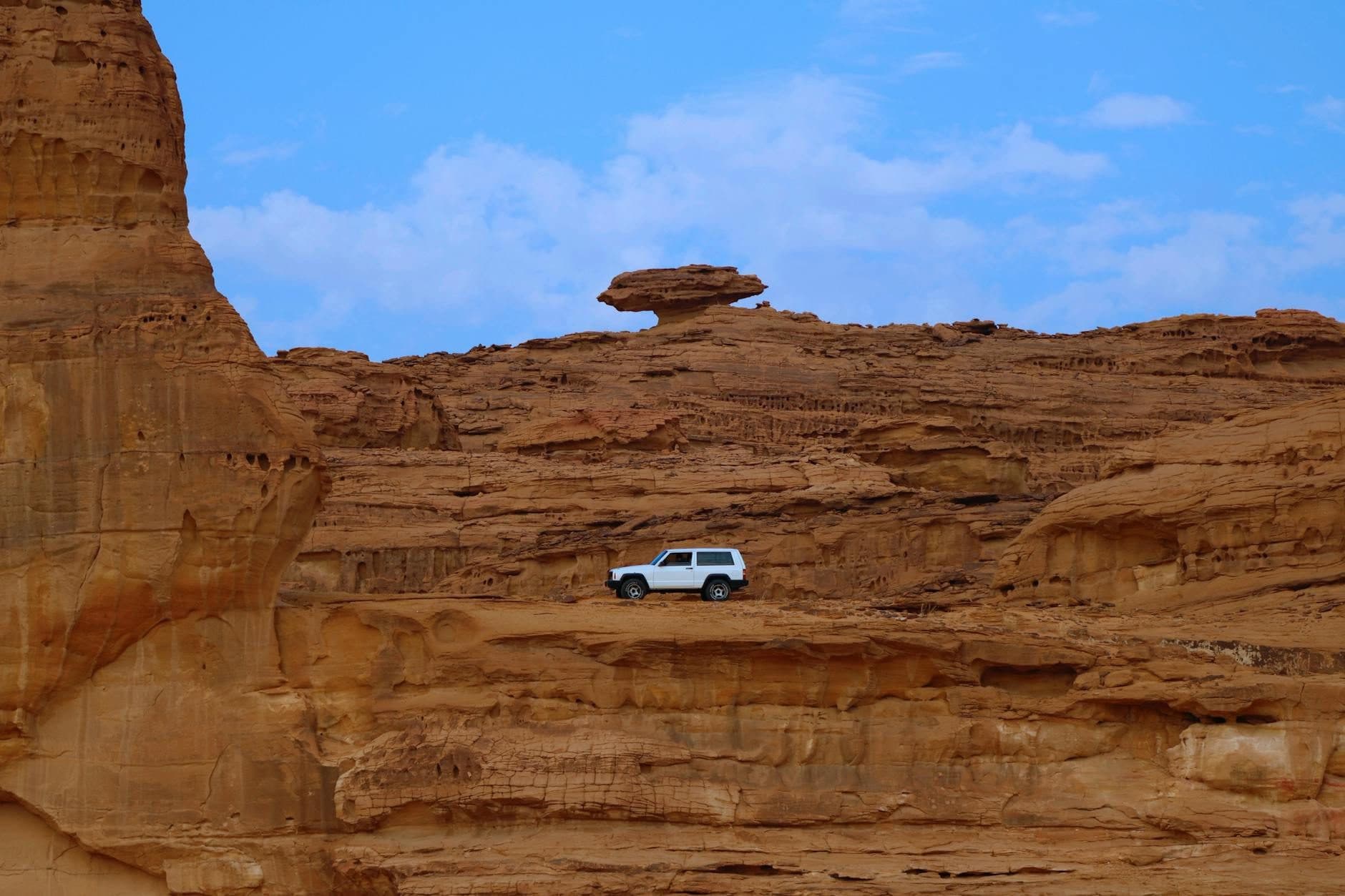
5 days, 4 nights in AlUla, timed for the cool season: Hegra, Dadan, Jabal Ikmah and the Old Town.
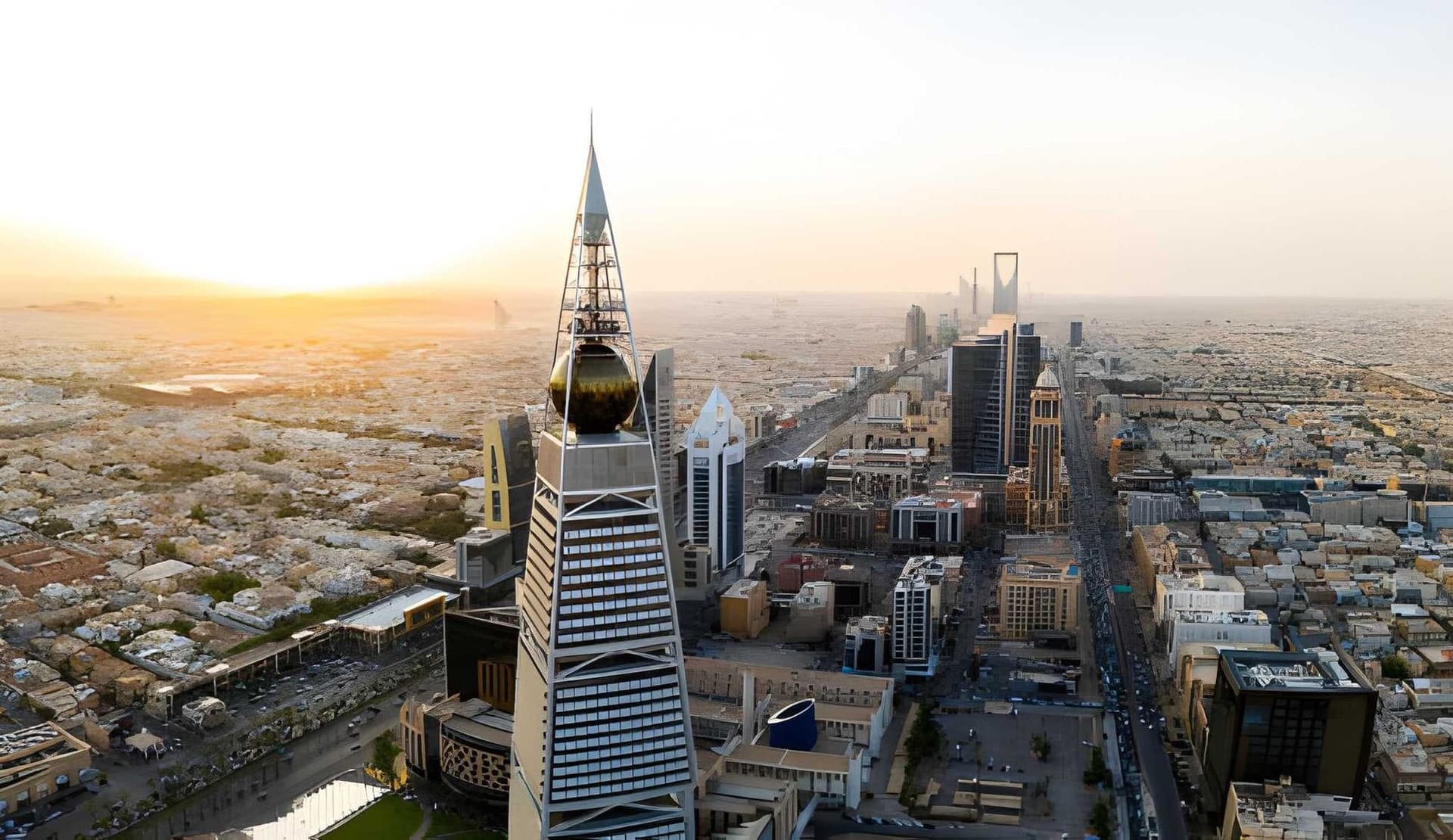
7 days, 6 nights. Riyadh, AlUla, Madinah and Jeddah, taking in Hegra, At-Turaif and the old quarter of Al-Balad.
6 days, 5 nights. Two nights in Riyadh for the founding sites, three in AlUla for Hegra and Dadan.
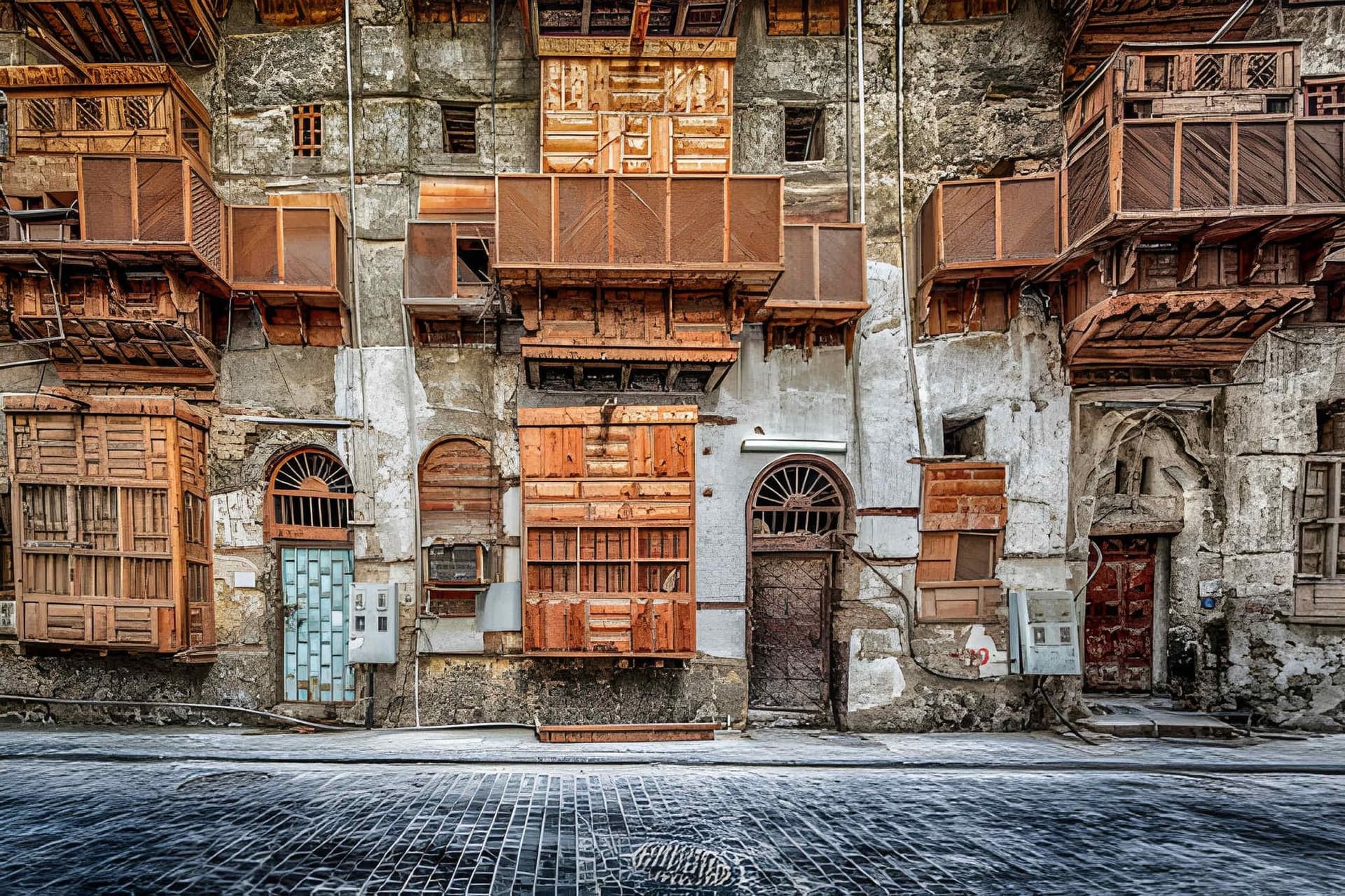
6 days, 5 nights. Two nights in Jeddah for Al-Balad and the Red Sea, three in AlUla for Hegra.
6 days, 5 nights. Three nights in AlUla for Hegra, Dadan and Jabal Ikmah, then two in Tabuk for the sandstone country.
6 days, 5 nights. Three nights in AlUla for Hegra, Dadan and Jabal Ikmah, then two nights in Madinah.
Hegra is in AlUla.
Photograph: Following Hadrian, CC BY-SA 2.0, via Wikimedia Commons.
Want to include Hegra in your trip? Browse our journeys or ask for a custom plan.