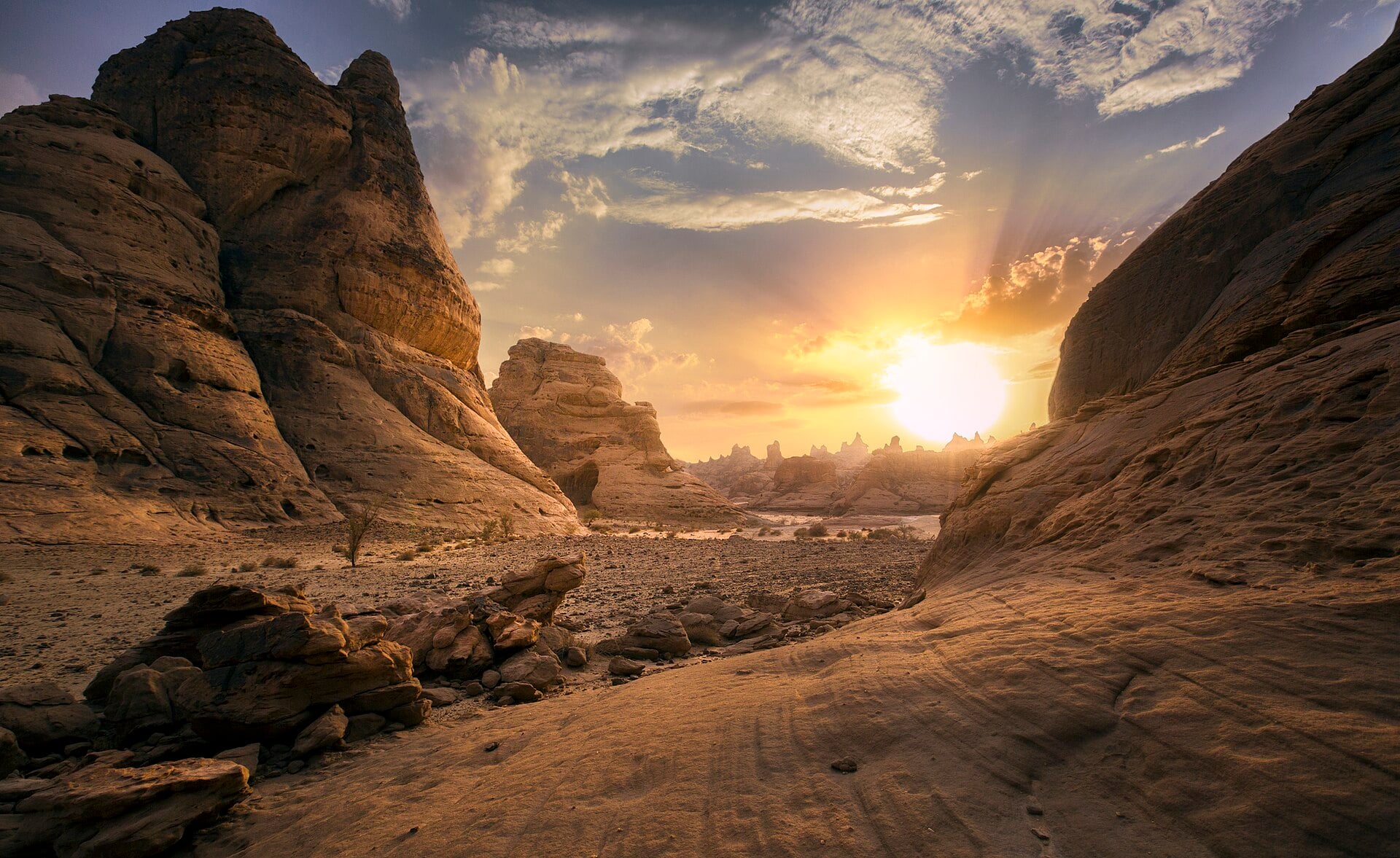
Hail is northern desert country: granite ranges, old forts, and rock art old enough to carry a World Heritage listing.
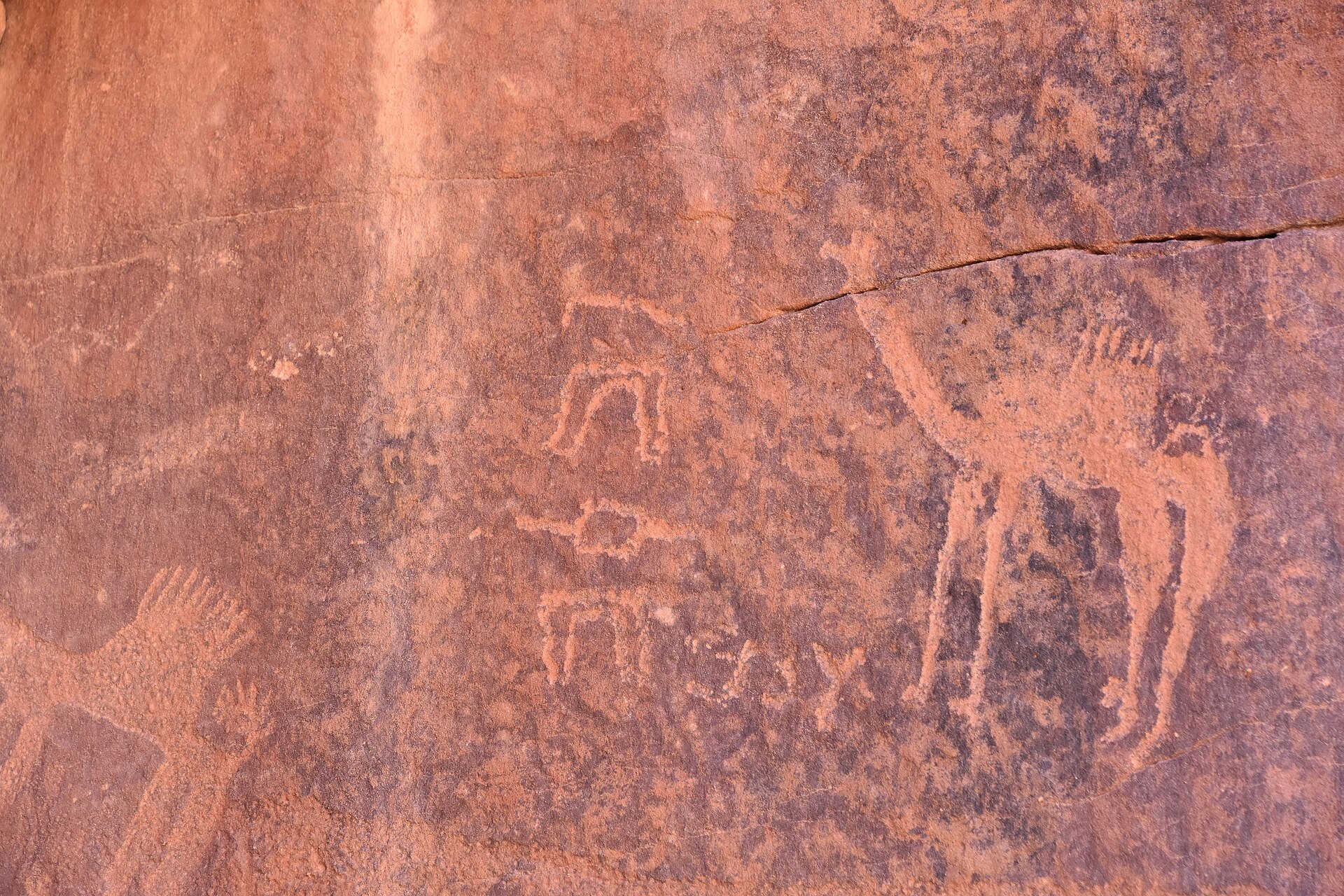
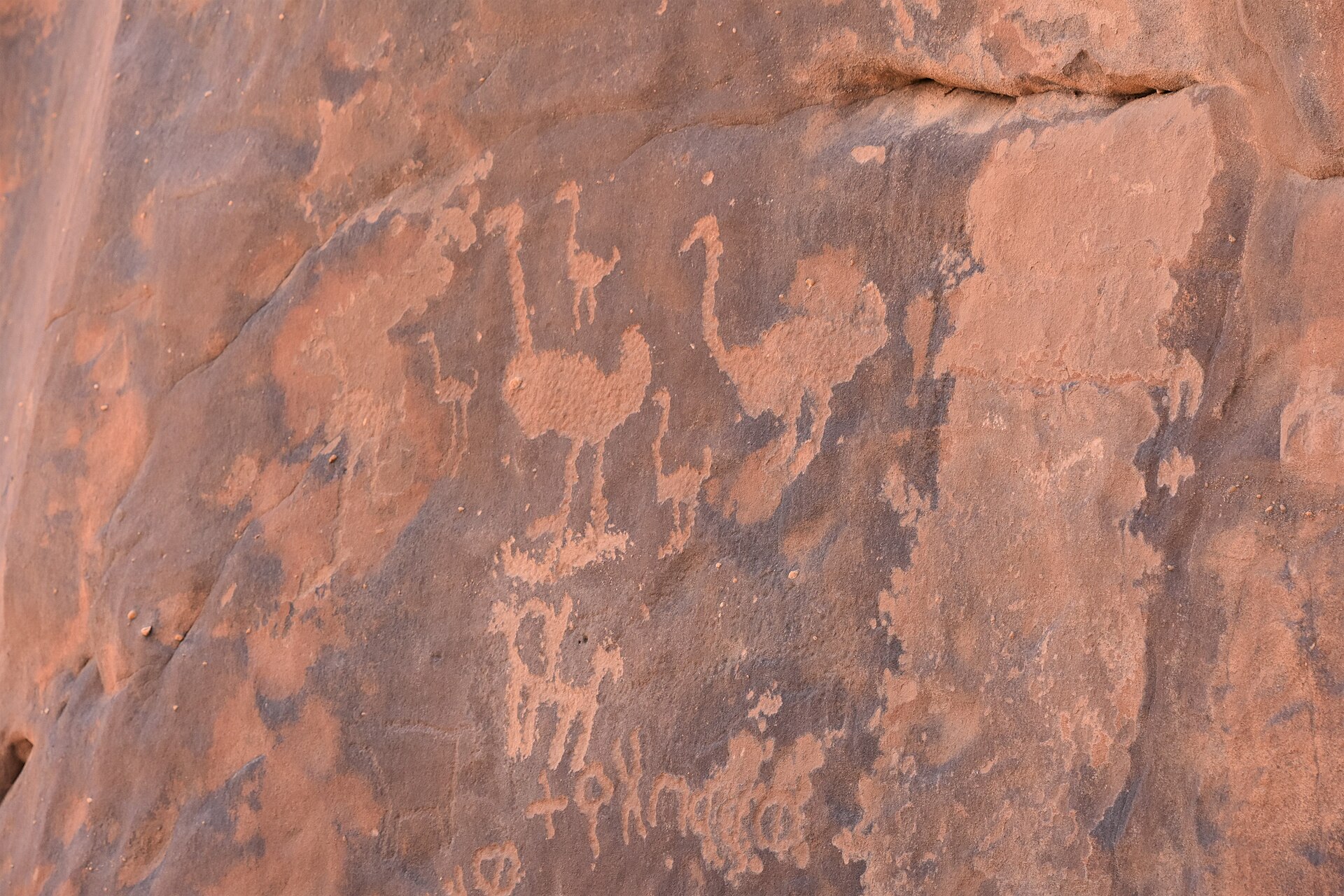
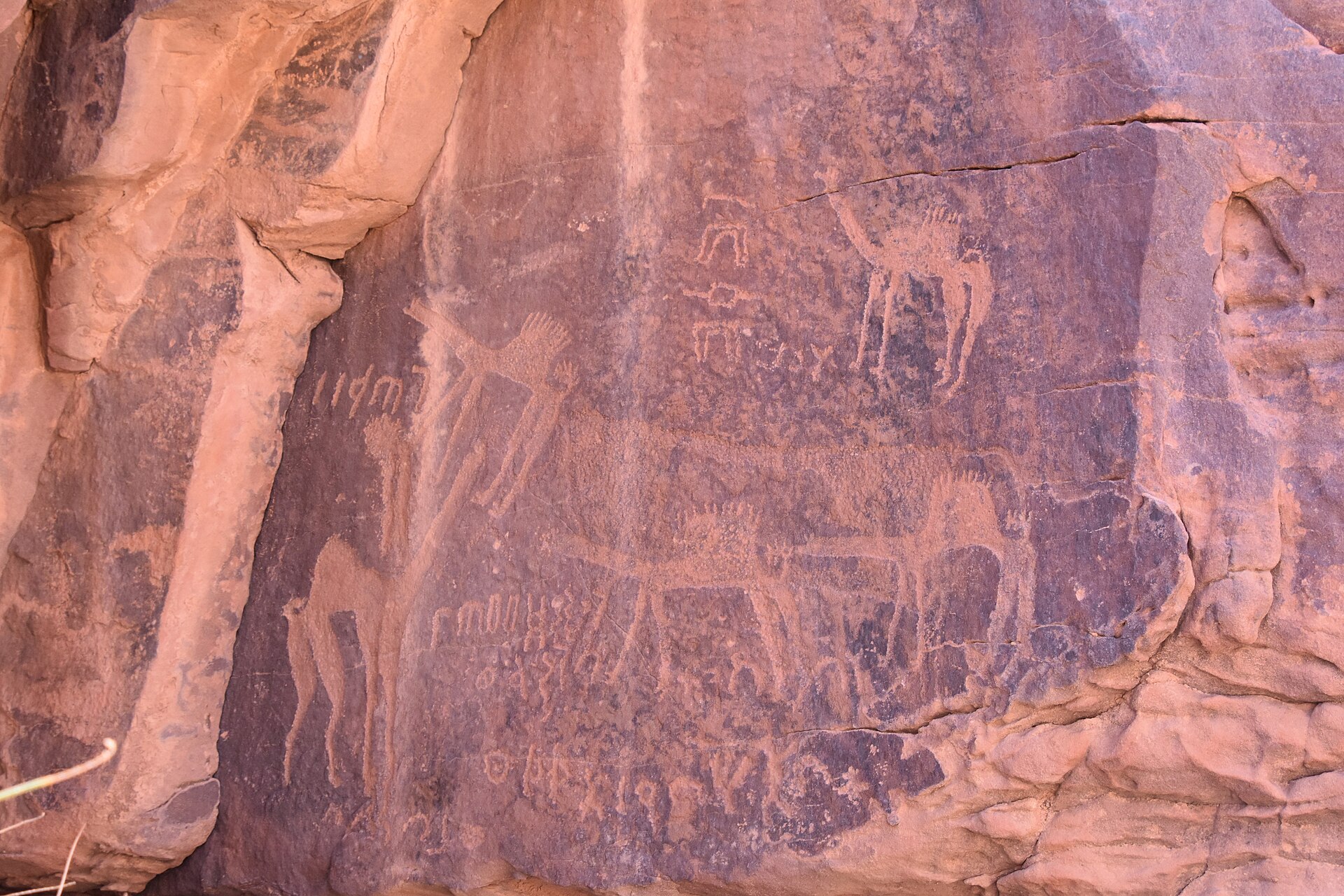
The carvings at Umm Senman, near Jubbah, were cut into sandstone that once stood on a lakeshore. They show human figures, cattle, ibex and hunting scenes belonging to a wetter Arabia than the one around the rock today, and UNESCO inscribed the Hail rock art in 2015.
Four days is the right length: a day for the city, a full day for Jubbah out in the Nafud sand sea, and a morning in the mountains before the flight. Hail has its own airport. Riyadh is the country's main air hub and the usual arrival point into the country.
Day by day
Arrive Hail
You are met at Hail airport and driven to your hotel. Arrival times vary, so nothing is scheduled for the rest of the day.
Hail sits between the granite of Aja to the west and open plain to the east, and the shape of the region is easier to follow once you have seen it from the ground.
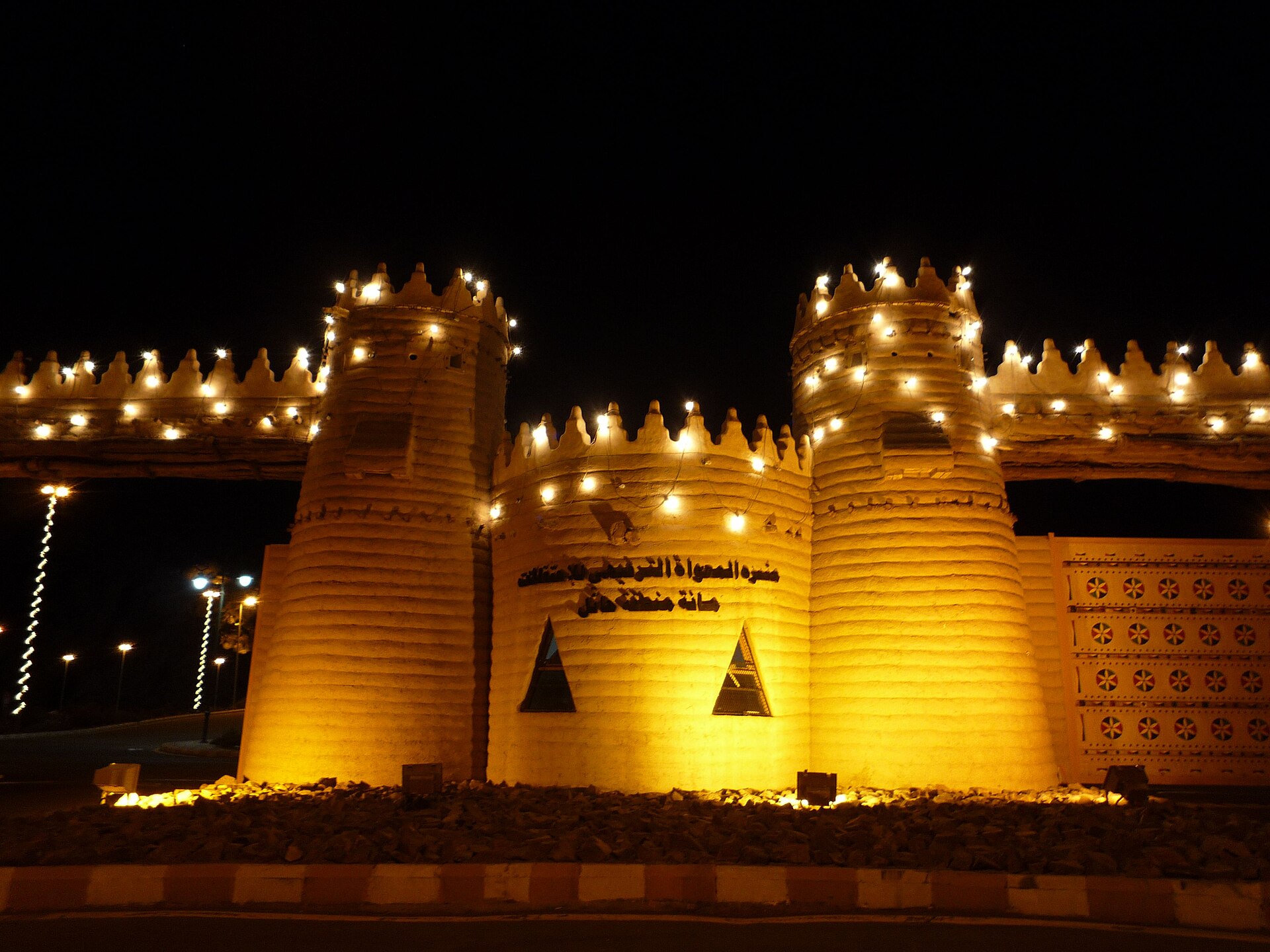
The forts in the city
A'arif Fort first, on its hilltop, standing since 1256 AH / 1840 CE. It was built as a military stronghold guarding the southern approach to the city and served as a lookout, and it also took in pilgrims and caravans passing through.
Then Barzan Palace in the centre, where two towers survive, one to the north and one to the south, each about 12 metres high. Al Qishlah Palace closes the day: commissioned by King Abdulaziz Al Saud in 1360 AH / 1941 CE and completed in a little over a year, built in the Najdi style.
Jubbah and the rock art
A full day out. Jubbah is about 90 kilometres north-west of the city, in the Nafud sand sea, so this is a half-day at absolute minimum and better given the whole of one. Jabal Umm Sinman stands 1,264 metres above sea level, framed by dunes and sandstone hills.
The carvings on Umm Sinman and Ghouta date as far back as the seventh millennium BCE, and there is no ticket for the site. The visitor centre at the base sets out both Jubbah and Al-Shuwaymis, the second component of the same UNESCO inscription. Al-Naif Palace Museum in the town was built in 1171 AH / 1757 CE and has a courtyard well estimated at 1,500 years old.
The Aja Mountains, then depart
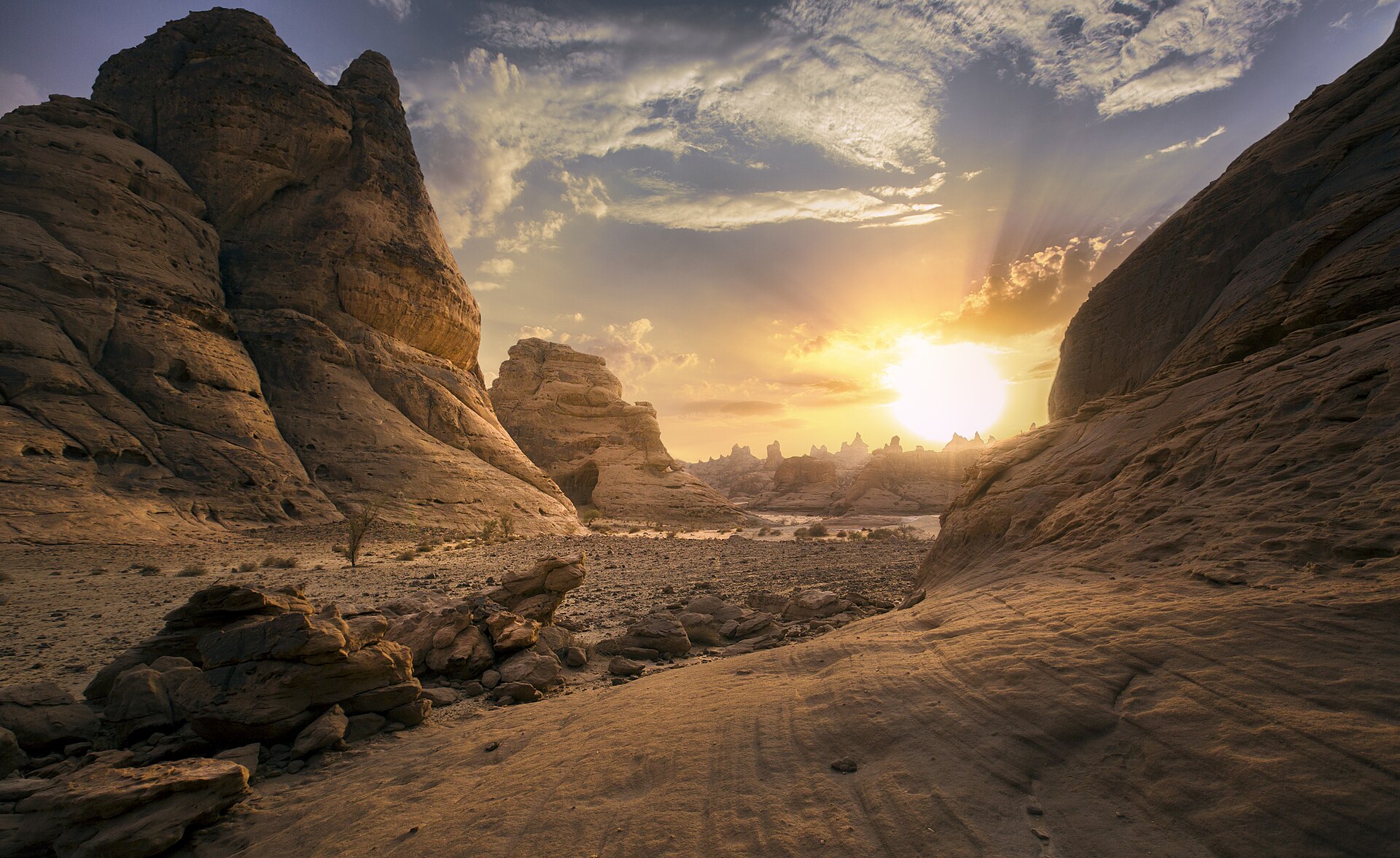
A morning drive west into the Aja Mountains. The range runs around 100 kilometres from south-west to north-east and is 25 to 35 kilometres wide, with peaks rising as high as 1,350 metres. Valleys and ravines cut through it, with small villages, natural springs and clusters of palms in the gaps between the ridges.
The colour is the character of the place: dark red granite standing straight out of pale sand. You return to Hail in time for the afternoon flight.
What is included
- Private four-wheel drive with driver for the full three days
- English-speaking guide in the city and at Jubbah
- Three nights' accommodation in Hail with breakfast
- Airport transfers in Hail
- Entry arrangements at the forts and at the Jubbah site
- Packed lunch and drinking water on the Jubbah day
- A local contact number for the whole stay
What is not
- International and domestic flights
- The Saudi entry visa, which you apply for yourself through the official portal
- Meals other than breakfast and the packed lunch at Jubbah
- Travel insurance
- Tips and personal spending
The places on this trip

Send us your dates
We come back with the itinerary written out and one clear cost.