Saudi Arabia on a Budget: Realistic Daily Costs
Travelers planning a budget trip to Saudi Arabia should expect daily costs to range from modest to moderate, depending on city, season, and travel style. While some expenses like accommodation and transport can be higher than neighboring countries, careful choices—like local eateries, public transport, and off-peak travel—make it possible to experience the kingdom’s highlights without overspending.
Key Takeaways
- Budget travelers can expect daily costs from $50–$90 USD, with higher prices in Riyadh and Jeddah.
- Public transport is available in major cities, but intercity distances are vast and often require flights or long bus rides.
- Street food and local restaurants offer affordable meals, but international chains and hotels are pricier.
- Entry fees for top attractions are moderate, but some sites are free or have discounts for students and children.
- Dress codes are relaxed compared to the past, but modest attire is still required in public spaces.
Understanding the Cost Structure: What Makes Saudi Arabia Different?
Saudi Arabia’s tourism sector is still developing, so costs can be unpredictable. Accommodation tends to be the largest expense, especially in business hubs like Riyadh and Jeddah, where mid-range hotel rooms are often more expensive than in smaller cities. Intercity travel is another major cost due to the country’s size—flights and long-distance buses are common, and car rentals can add up quickly. Daily expenses like meals and local transport are more manageable, especially if you avoid international chains and luxury venues.
For a more detailed breakdown of what influences your budget, including visa fees and seasonal surcharges, read how much a trip to Saudi Arabia costs.
Accommodation: Hostels, Hotels, and Alternatives
Budget accommodation is not as widespread as in Southeast Asia or Europe, but options are growing. Hostels exist in Riyadh, Jeddah, and Al Khobar, but most budget travelers stay in 2-star hotels or furnished apartments, with prices fluctuating based on location and demand. Expect to pay more in city centers or during major events. Booking in advance is crucial, especially during Ramadan and the Hajj season (note: non-Muslims cannot enter Makkah, but the city’s hotel market still affects prices elsewhere). Airbnb and similar platforms are legal and increasingly popular, sometimes offering better value than hotels, especially for groups.
For a sample itinerary and realistic lodging expectations, see A first week in Saudi Arabia.
Food and Drink: Eating Well for Less
Eating on a budget is very possible in Saudi Arabia. Local restaurants (mat’am) and cafeterias serve filling meals for a fraction of the price of hotel dining or international chains. Shawarma, falafel, kabsa (a traditional rice and meat dish), and fresh juices are widely available. In cities like Jeddah and Dammam, seafood is affordable and excellent. Supermarkets and bakeries are everywhere for snacks and self-catering. Alcohol is strictly forbidden, and imported soft drinks or Western-style coffee shops are more expensive than local tea or qahwa (Arabic coffee). Tipping is customary but not obligatory; rounding up or leaving 5–10% is appreciated in sit-down venues.
For more on local produce and seasonal food, browse the blog for food tips and regional specialties.
Getting Around: Transport Costs and Trade-Offs
Saudi Arabia’s cities are not walkable by Western standards, and public transport is best in Riyadh and Jeddah, where metro and bus networks are expanding. Intercity buses (like SAPTCO) connect major destinations at reasonable prices, but journeys can be long—Riyadh to Jeddah is over 950 km by road. Domestic flights are often the fastest way to cover large distances, with prices varying by season, carrier, and how far in advance you book. Car rentals are practical for exploring rural areas or the Empty Quarter, but fuel, tolls, and insurance add to the cost. Taxis and ride-hailing apps like Careem and Uber are widely used but can be expensive for long trips.
For a scenic and affordable excursion, consider the Wadi Hanifah and Bujairi half-day tour near Riyadh.
Attractions and Entry Fees: What’s Free, What’s Worth Paying For?
Many of Saudi Arabia’s most impressive sites are either free or have modest entry fees. Public beaches, most mosques (for Muslims), and heritage villages charge little or nothing. Museums and historical sites in Riyadh, Jeddah, and AlUla usually charge an entry fee, but it’s generally lower than in Western countries. Some attractions—like the UNESCO-listed rock tombs at Hegra—require advance booking and guided tours, which can be pricier. Student and family discounts are available at some venues, but not universally. Always check opening hours, as many sites close for prayer times and on Fridays.
The National Museum of Saudi Arabia in Riyadh is a must-see with a moderate entry fee and excellent exhibits.
Weather and Seasonality: Timing Your Trip to Save
Traveling off-peak can significantly reduce costs. Winter (November–March) is peak season in Riyadh and Jeddah, with higher prices for accommodation and flights. Summer (June–August) brings extreme heat inland, but the Red Sea coast and Asir Mountains are more comfortable and less crowded. Spring (March–May) is ideal for budget travelers, with mild weather and fewer crowds. Sandstorms are most common in late winter and spring, affecting both comfort and travel logistics. Always check the weather for your specific region—Saudi Arabia’s climate varies widely between the coast, desert, and highlands.
To understand regional weather patterns and how they affect costs, see Saudi Arabia weather by region.
Sample Daily Budgets: Real Numbers by City and Style
Daily costs in Saudi Arabia depend on your travel style and the cities you visit. Here is a comparative table of realistic daily budgets for solo travelers in three major destinations, excluding flights to/from Saudi Arabia:
| City | Budget (USD) | Mid-Range (USD) | Notes |
|---|---|---|---|
| Riyadh | $60–$90 | $120–$180 | Hostels limited; public transport improving; museums and parks |
| Jeddah | $55–$85 | $110–$170 | Seafood is affordable; historic Al-Balad area; good bus network |
| Abha (Asir Mountains) | $50–$70 | $90–$140 | Cheaper in off-season; cooler climate; best with car rental |
For more on seasonal bargains and where to go when, read where it is bearable in summer.
Nature and Free Activities: Enjoying Saudi Arabia Without Spending Much
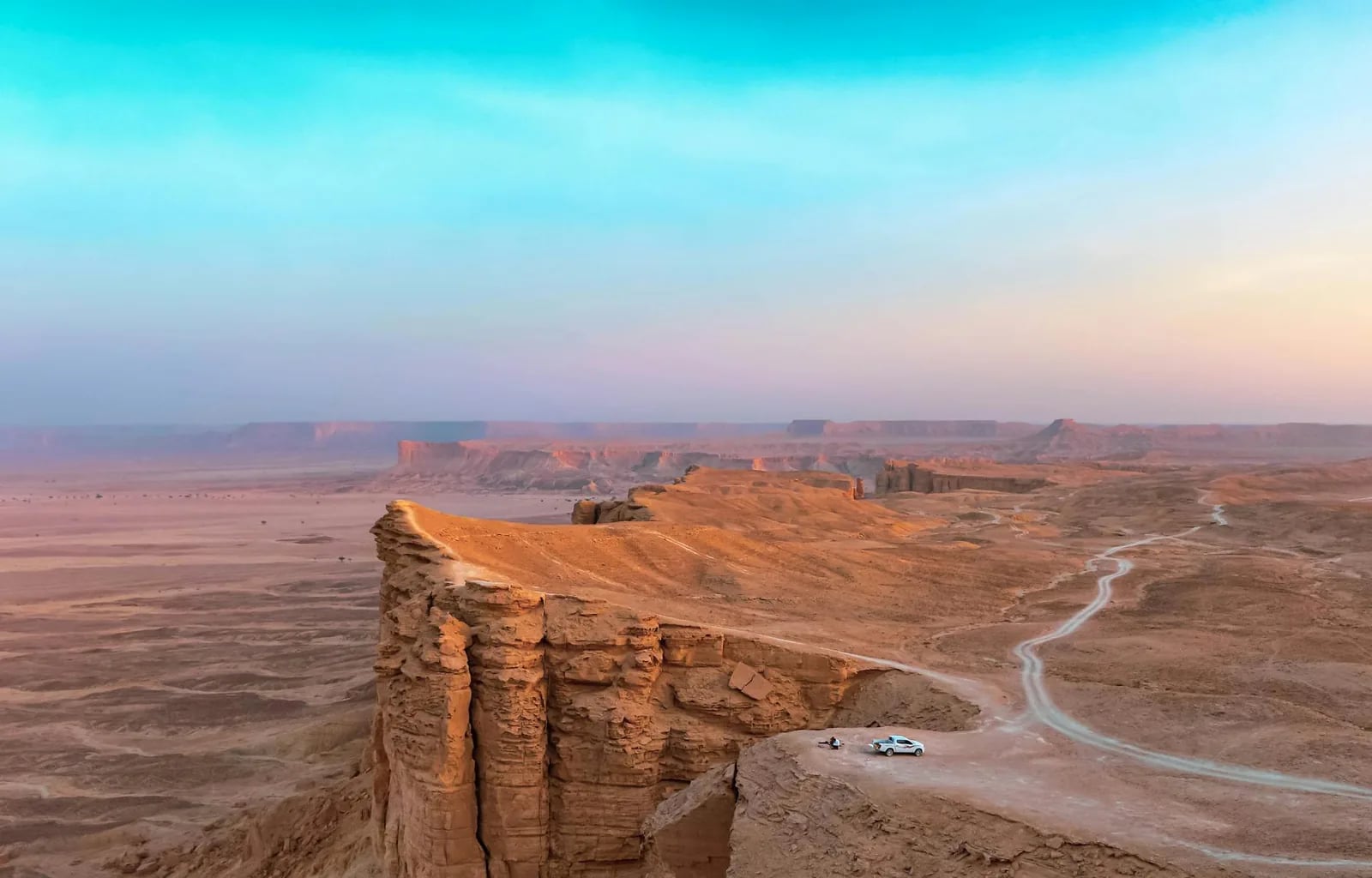
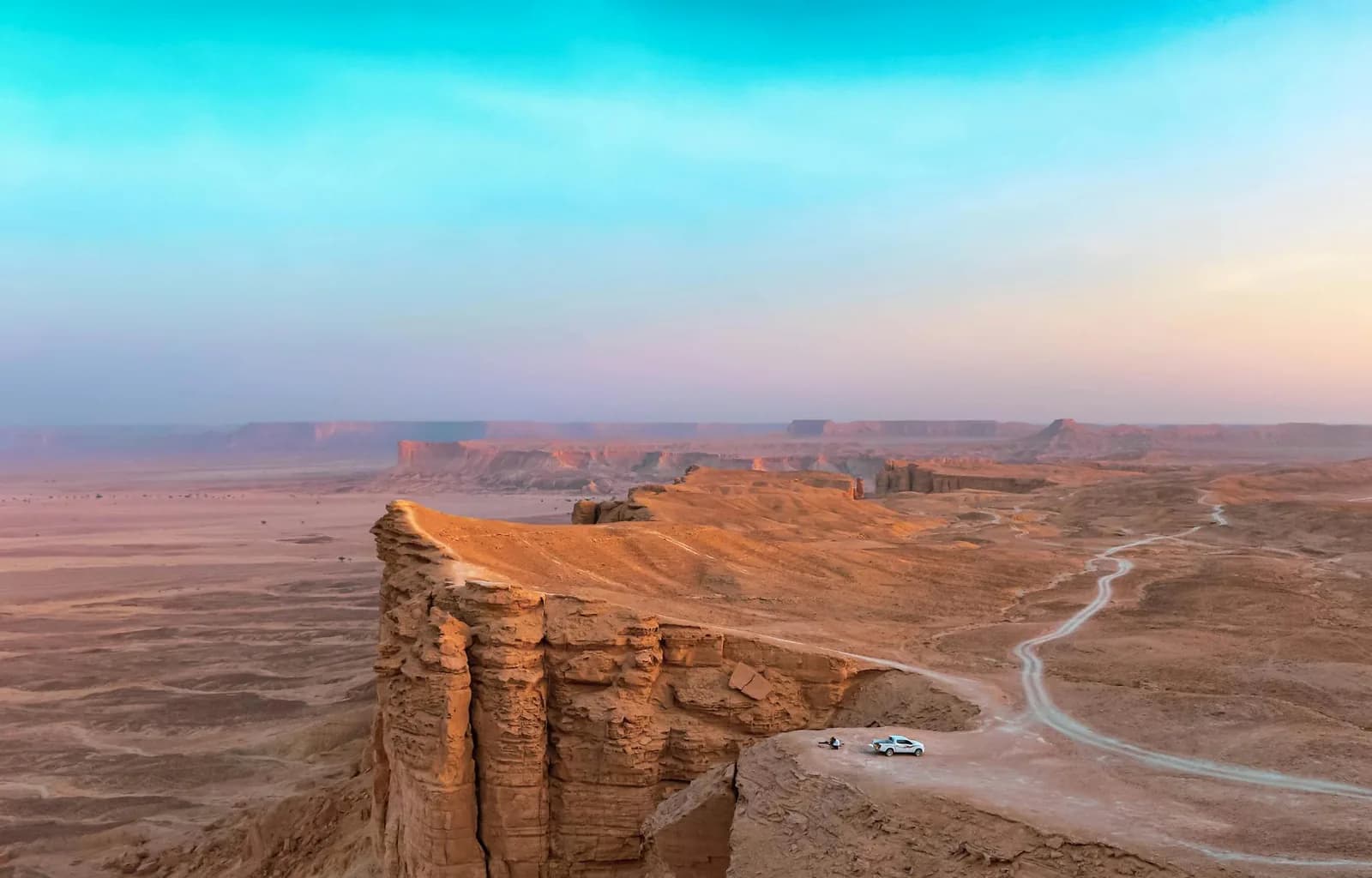
Saudi Arabia is rich in natural beauty, and many outdoor experiences are free or low-cost. Hiking in the Asir Mountains, picnicking in Riyadh’s Wadi Hanifah, or exploring the Red Sea coast’s public beaches offer great value. National parks like Asir National Park may have a nominal entry fee. Desert camping is popular and affordable if you have your own gear, but guided experiences cost more. Always check local regulations, especially in protected areas. Nature lovers will find plenty of options to keep costs down while enjoying dramatic landscapes and unique wildlife.
Browse the Nature category for inspiration and planning tips.
Hidden Costs and Money-Saving Tips
Unexpected expenses can add up: airport transfers, bottled water (tap water is not always potable), SIM cards, and laundry services are often overlooked in daily budgets. Friday closures and prayer-time breaks can affect your schedule, so plan meals and sightseeing accordingly. Women travelers no longer need to wear an abaya, but modest clothing is still expected. Bargaining is not common in shops, but taxi fares can sometimes be negotiated. ATMs are widespread, and credit cards are accepted in most urban areas, but cash is still needed for small purchases, especially in rural towns.
For tips on dealing with weather disruptions and sandstorms, see what to do during sandstorms.
Frequently Asked Questions
- What is a realistic daily budget for a backpacker in Saudi Arabia?
A solo backpacker can expect to spend $50–$70 USD per day, covering hostels or basic hotels, local food, public transport, and entry to a few attractions. Costs rise in big cities and during peak season. - Are there any free attractions worth visiting?
Yes, many parks, beaches, and historic districts like Al-Balad in Jeddah are free to enter. Some museums and heritage sites also offer free admission on certain days or for students and children. - How can I save money on transportation?
Use intercity buses for long distances and metro or public buses within cities. Booking domestic flights early can also help, and car rental is best for groups splitting the cost. - Are meals in Saudi Arabia expensive?
Local restaurants and street food are affordable, with meals for $3–$7 USD. Eating in hotels or Western chains is significantly more expensive. - What are the hidden costs I should watch out for?
Budget for bottled water, airport transfers, and SIM cards. Laundry and occasional taxi rides can also add to your daily spend, especially if you travel spontaneously or during high demand. - Is it safe and practical to travel Saudi Arabia solo on a budget?
Yes, solo travel is safe and increasingly common. Women and men should dress modestly, and all travelers should be aware of prayer-time closures. Planning ahead for accommodation and transport is essential to keep costs down.
Ready to explore Saudi Arabia without breaking the bank? With smart planning and local know-how, you can experience the kingdom’s history, landscapes, and hospitality on any budget.