Saudi Arabia Dress Code for Visitors: Men and Women
Visitors to Saudi Arabia are expected to dress modestly in public, with both men and women covering shoulders and knees and avoiding tight or revealing clothing. While the rules have relaxed in recent years, especially for tourists, understanding what is appropriate in different regions and situations is essential for a respectful and comfortable trip.
Key Takeaways
- Both men and women should cover shoulders and knees in public places across Saudi Arabia.
- Women are no longer required to wear the abaya (a loose robe), but modest dress is still expected.
- Dress codes are stricter in religious cities like Madinah (in non-Muslim-accessible areas) and during Ramadan.
- There is no alcohol available anywhere in the country, and dress code violations can result in being denied entry to some venues.
- Public beaches and resorts may have their own specific dress guidelines.
The Basics: What Modest Dress Means in Saudi Arabia
Modest dress in Saudi Arabia means clothing that covers the body from shoulders to below the knees, is not see-through, and is not form-fitting. For women, this typically means long skirts or trousers and tops with sleeves that cover the upper arms. Men should avoid shorts and sleeveless shirts in public. While the traditional abaya is no longer mandatory for foreign women, it remains common and is still required at some religious sites and government buildings.
Understanding the local expectations will help you avoid uncomfortable situations, such as being turned away from museums or public offices. For a deeper look at how these standards compare to neighboring countries, you can read about cost and lifestyle differences between Saudi Arabia and the UAE.
Dress Code for Women: What Has Changed?
Until 2019, all women in Saudi Arabia—citizens, residents, and visitors—were legally required to wear the abaya in public. Today, the law has relaxed: foreign women are not required to wear an abaya, but must still dress conservatively. Loose, long trousers or skirts, and tops with sleeves are recommended. Headscarves are not mandatory for non-Muslim women, except when visiting certain religious sites or entering mosques.
In places like Riyadh and Jeddah, you will see Saudi women in abayas and sometimes niqab (face veil), but many foreigners opt for long cardigans or tunics over pants. In cities with a large expat presence, such as Khobar or Dammam, a more relaxed approach is common, but modesty is still expected. During Ramadan, standards become stricter, and it’s advisable to dress even more conservatively. For more on how Ramadan affects daily life, see what changes for visitors during Ramadan.
Dress Code for Men: Practical Guidelines
Men in Saudi Arabia are expected to wear long trousers and shirts with sleeves in public areas. Shorts are not considered appropriate except at the beach or in private resorts. Tank tops and sleeveless shirts are also discouraged. In business settings, collared shirts and long trousers are standard, and a jacket may be required for formal occasions. In coastal cities such as Jeddah, the atmosphere is slightly more relaxed, but the basic guidelines still apply.
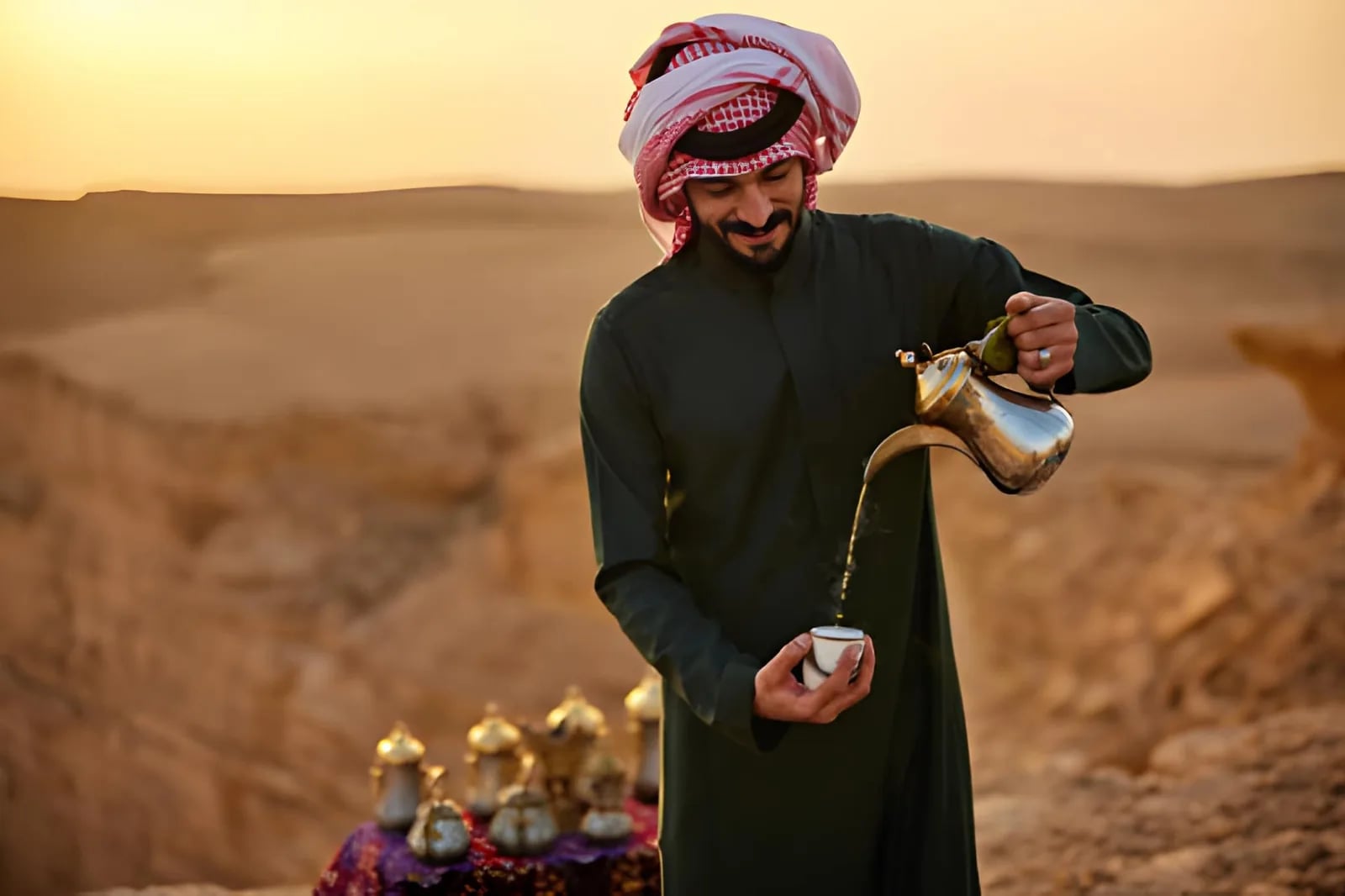
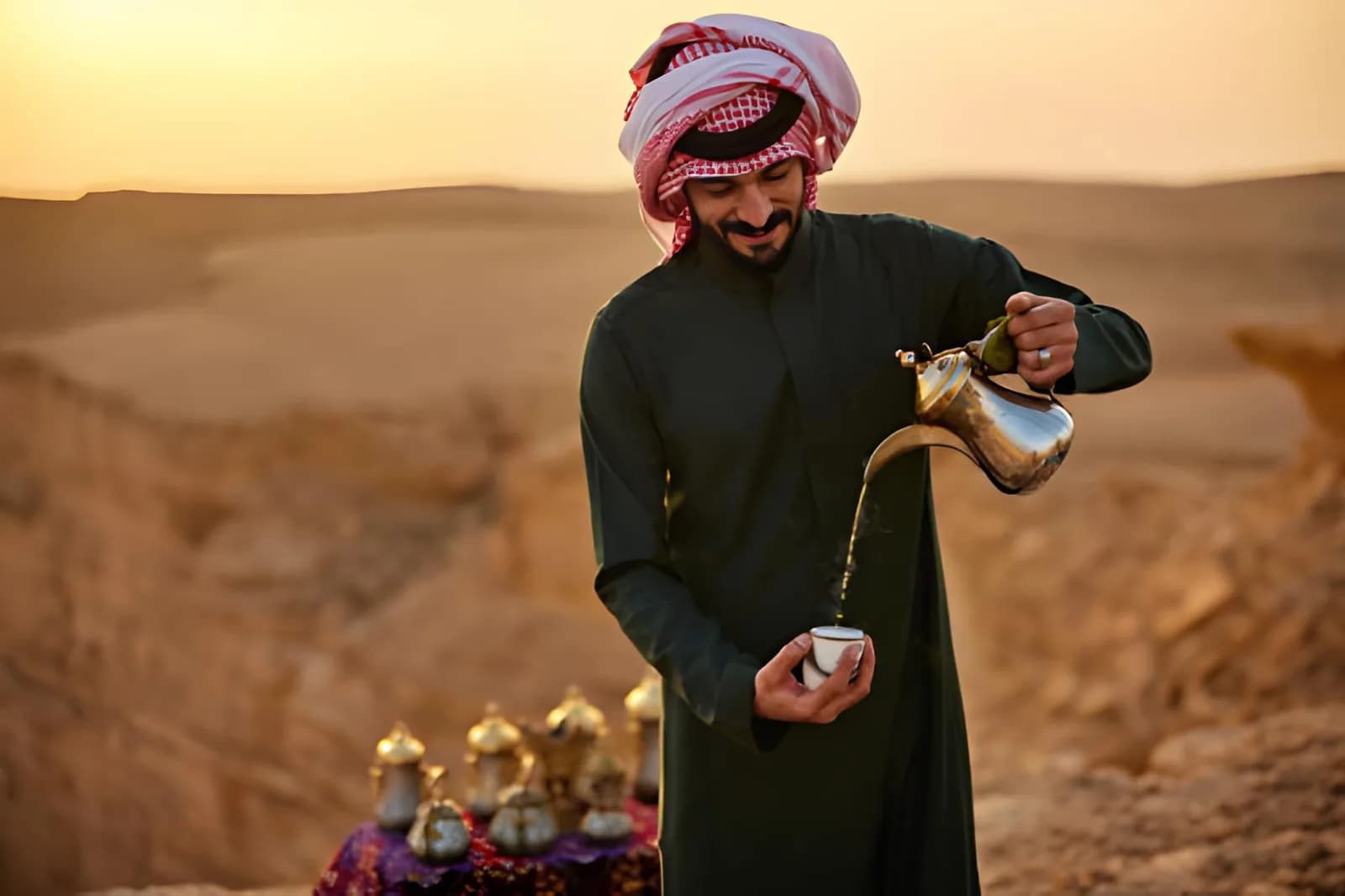
Men should also be aware that traditional Saudi dress, the thobe (a long, ankle-length robe), is not required for foreigners but is sometimes worn for comfort in the heat. For more information on regional differences and planning your route, explore suggested itineraries and routes across Saudi Arabia.
Special Situations: Mosques, Religious Sites, and Restricted Areas
Access to Makkah and the central area of Madinah is strictly limited to Muslims only. In Madinah, non-Muslims are permitted in certain parts of the city but not near the Prophet's Mosque. For all visitors, entering a mosque or religious site requires extra attention to dress: women must wear an abaya and often a headscarf, while men should wear long trousers and shirts with sleeves. Shoes must be removed before entering prayer areas.
Some museums and heritage sites, such as the National Museum of Saudi Arabia in Riyadh, may enforce stricter dress codes, especially during religious holidays or when hosting official events. Always check specific site requirements before your visit.
Tourist Resorts, Beaches, and Outdoor Activities
Saudi Arabia’s Red Sea coast and the mountainous Asir region are increasingly popular with international visitors. Public beaches require modest swimwear: women should wear a full-coverage swimsuit or swim leggings and a rash guard, while men should opt for swim trunks that reach the knee. Private resorts and some hotel pools may permit Western-style swimwear, but always check the rules in advance.
For hiking or outdoor tours, such as those in the Al-Soudah mountains, loose, breathable clothing that covers shoulders and knees is recommended for both sun protection and cultural respect. To explore the natural beauty of the region, consider a guided experience like Al-Soudah and the escarpment day tour.
Children and Teens: What’s Expected?
Dress code expectations for children are more relaxed, especially for those under the age of puberty. Young girls are not required to wear abayas or cover their hair, but teens (especially girls) are expected to follow the same modesty guidelines as adults in public spaces. Boys should avoid shorts in formal settings or religious sites. Families traveling with teenagers should pack clothing that meets these standards to avoid issues at attractions or restaurants.
When planning a family trip, it’s helpful to look at general travel advice for Saudi Arabia to understand broader cultural norms and practical tips.
Shopping for Appropriate Clothing in Saudi Arabia
If you arrive in Saudi Arabia without suitable clothing, shopping malls and souqs in cities like Riyadh, Jeddah, and Dammam offer a wide selection of modest attire. Abayas, long skirts, tunics, and loose trousers are readily available and affordable. International brands often carry collections tailored for the local market. For men, finding long trousers and shirts is straightforward. Tailors are also common if you need adjustments for comfort or fit.
Travelers on longer trips or multi-city itineraries may find it useful to review a sample week-long itinerary in Saudi Arabia for packing and shopping tips specific to different regions.
Dress Code in Hotels, Malls, and Restaurants
Hotels and restaurants catering to international guests are generally more relaxed about dress, but guests are still expected to adhere to the basic guidelines: no shorts or sleeveless tops for men, and modest attire for women. Shopping malls may refuse entry to anyone dressed inappropriately, especially during weekends or holidays when families are out. In hotel gyms and pools, Western-style activewear and swimwear are typically allowed, but only within those facilities.
For half-day excursions or city tours, such as those listed in the half-day tour category, it’s best to wear comfortable, modest clothing that can transition from indoor to outdoor settings.
Dress Code During Ramadan and Religious Holidays
During the holy month of Ramadan, dress codes are enforced more strictly, and visitors should take extra care to dress conservatively. This means avoiding bright colors, tight clothing, and anything that could be considered revealing. The same applies during Eid and other religious holidays. Government offices and some attractions may have additional requirements or restricted hours during these periods, so plan accordingly.
For guidance on how Ramadan affects travel and daily routines, including dress and dining, see the detailed advice in this Ramadan guide for visitors.
Frequently Asked Questions
-
Do women have to wear an abaya in Saudi Arabia?
Foreign women are not legally required to wear an abaya, but modest clothing that covers the arms and legs is expected in public. The abaya is still required when visiting mosques and some government buildings. -
Are shorts allowed for men in Saudi Arabia?
Men should avoid wearing shorts in public places, except at private beaches or resorts. Long trousers are recommended for most settings. -
Can I wear Western clothing in Saudi Arabia?
Yes, Western clothing is permitted as long as it is modest—covering shoulders and knees, and not tight or revealing. Avoid clothing with offensive images or slogans. -
What should I wear when visiting a mosque?
Women should wear an abaya and a headscarf, while men should wear long trousers and a shirt with sleeves. Both should remove shoes before entering prayer areas. -
Are there different dress codes for different regions?
Dress codes are generally consistent throughout Saudi Arabia, but some areas—such as religious cities or rural communities—may expect stricter adherence to modesty. Urban centers are typically more relaxed. -
Is swimwear allowed at beaches and pools?
At public beaches, modest swimwear is required. Some private resorts and hotel pools permit Western-style swimwear, but always check the specific rules before visiting.
Respecting the local dress code in Saudi Arabia is straightforward when you understand the expectations and plan accordingly. Modest attire ensures you can fully enjoy the country’s rich culture, diverse landscapes, and unique attractions without concern.