Four UNESCO World Heritage sites in ten days, taken in the order that makes them read as one story rather than four separate visits: the founding sites in Riyadh and Diriyah, the rock art of the Hail region, the Nabataean and pre-Nabataean valley at AlUla, and the coral-stone port quarter at Jeddah.
The pace is deliberately slower than a full country loop: mornings at the sites and afternoons left open. That matters in AlUla, where the sandstone turns deep red as the light drops.
It suits travellers whose interest is history and architecture rather than desert driving, and anyone who wants to understand how the modern state formed before seeing the older layers underneath it.
Day by day
Arrive Riyadh
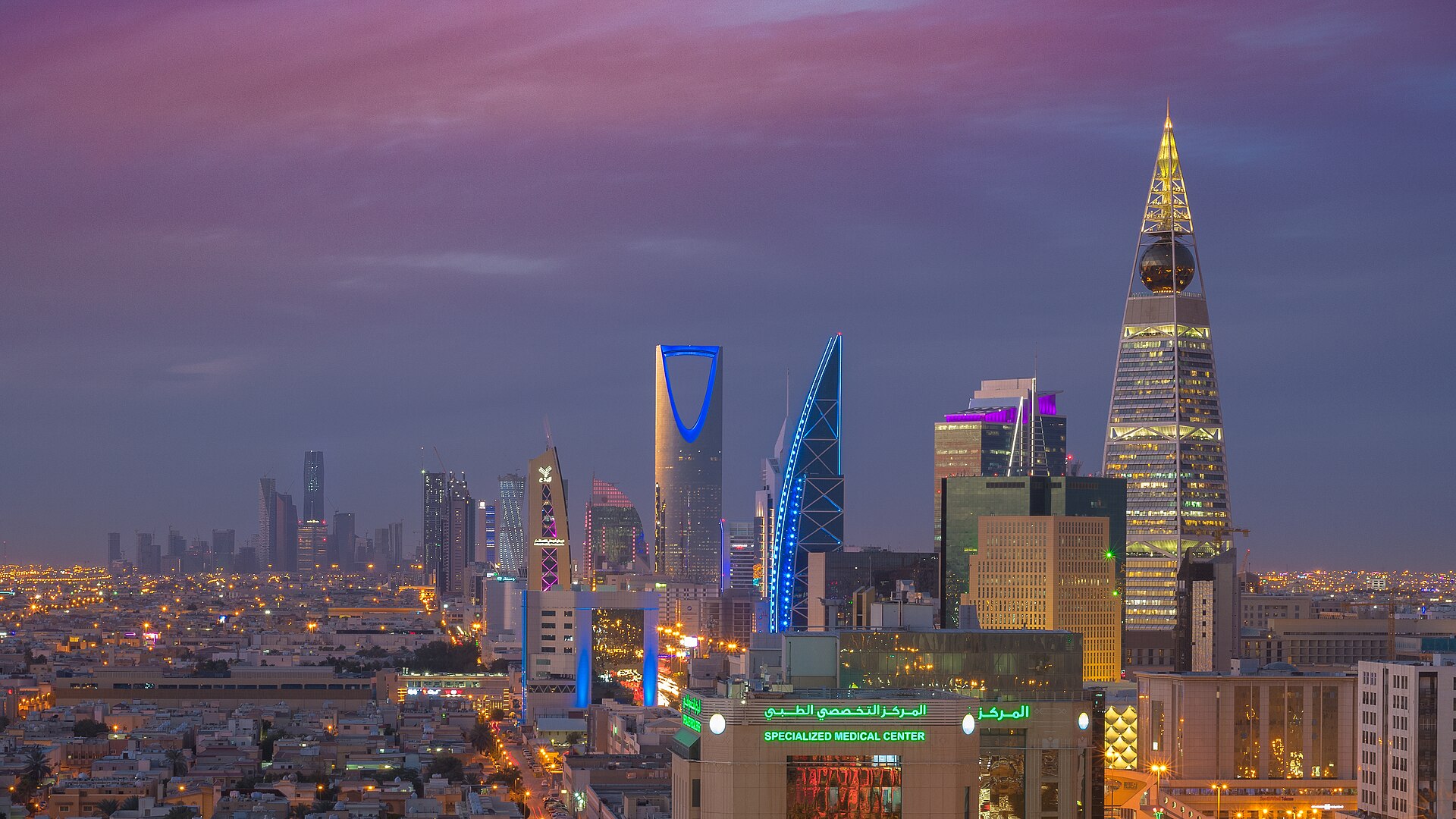
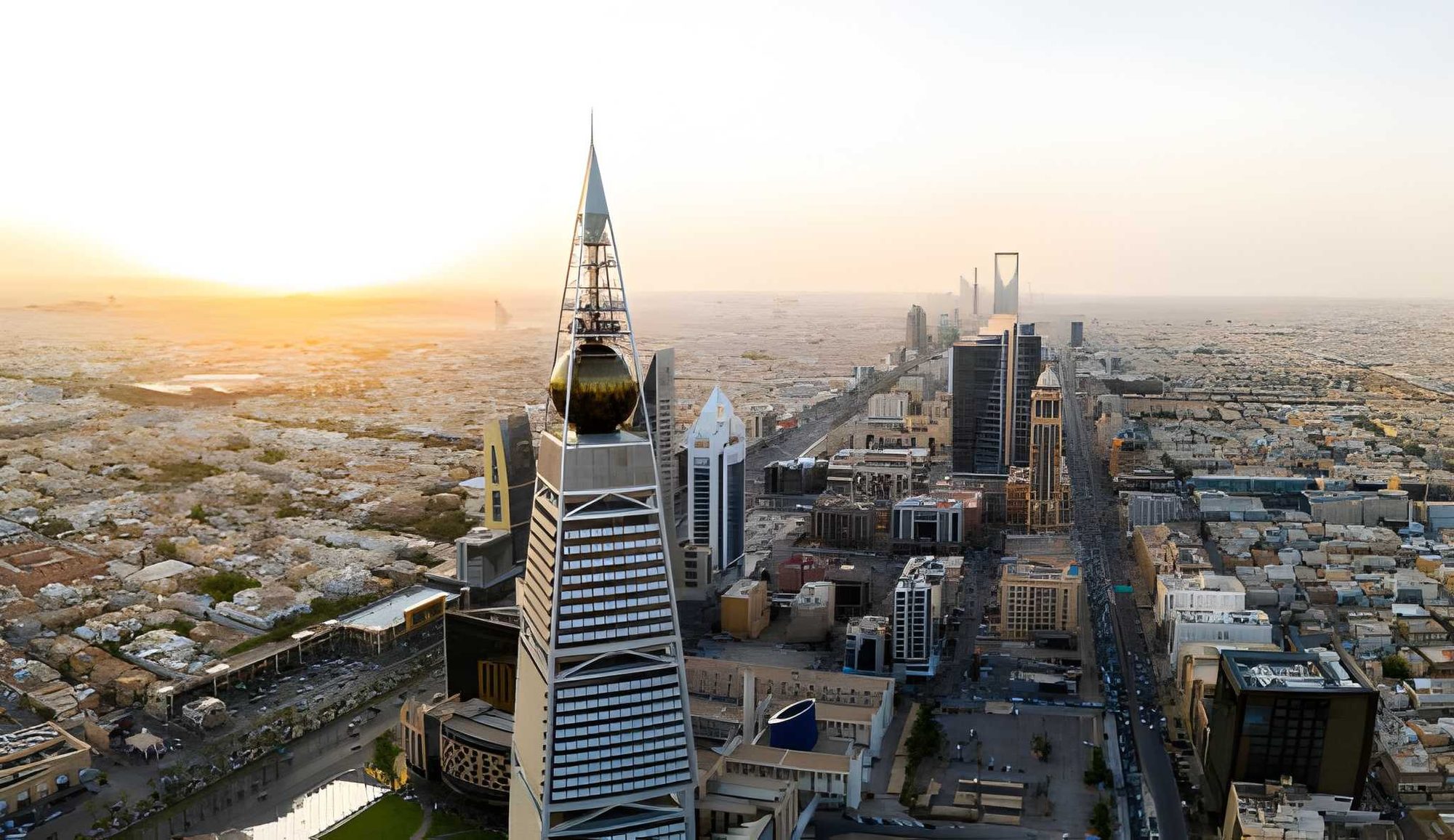
You are met at the airport and driven in. Riyadh is the country's main air hub and the usual arrival point. The first evening is left free.
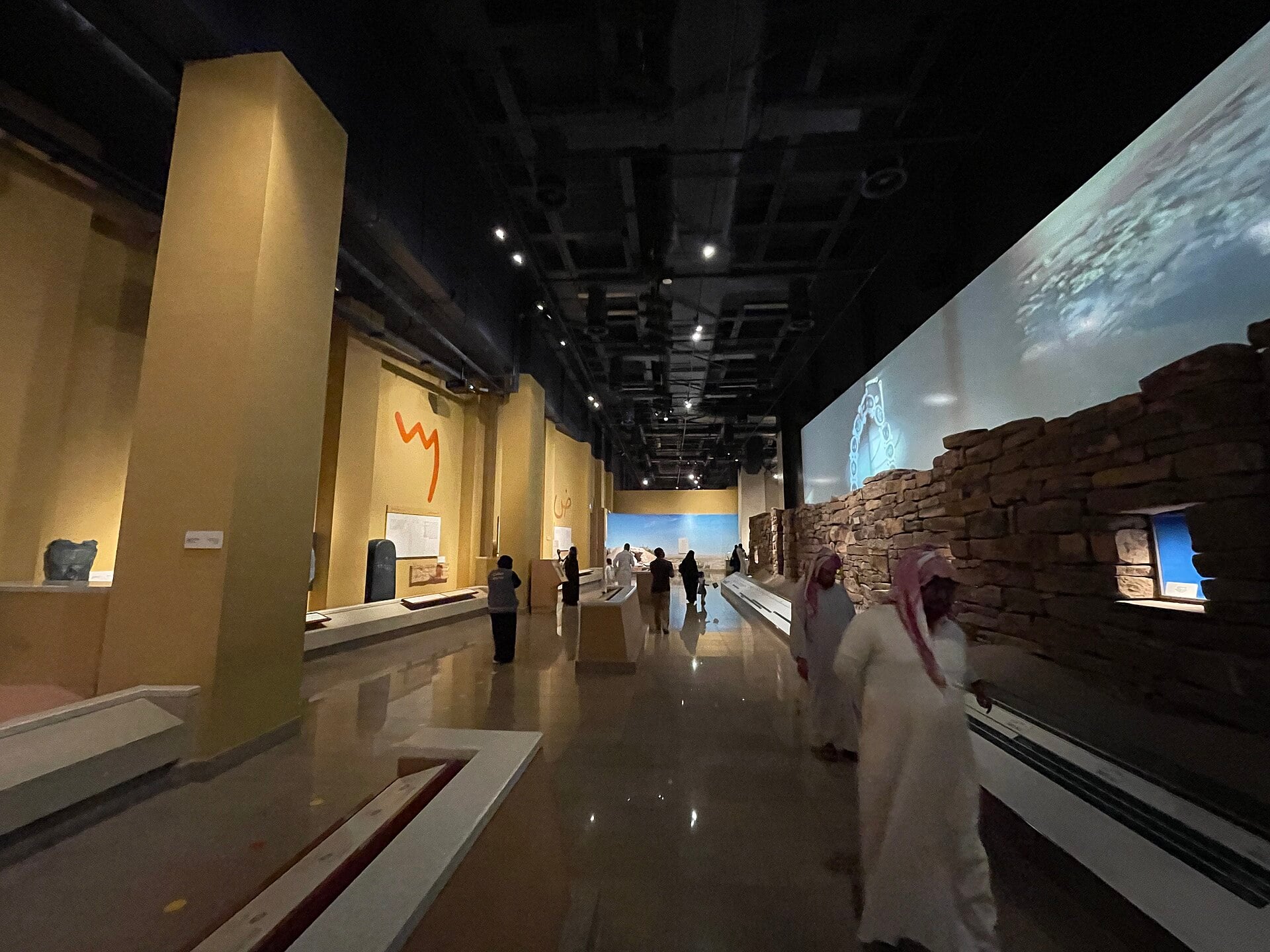
The National Museum and Al Masmak
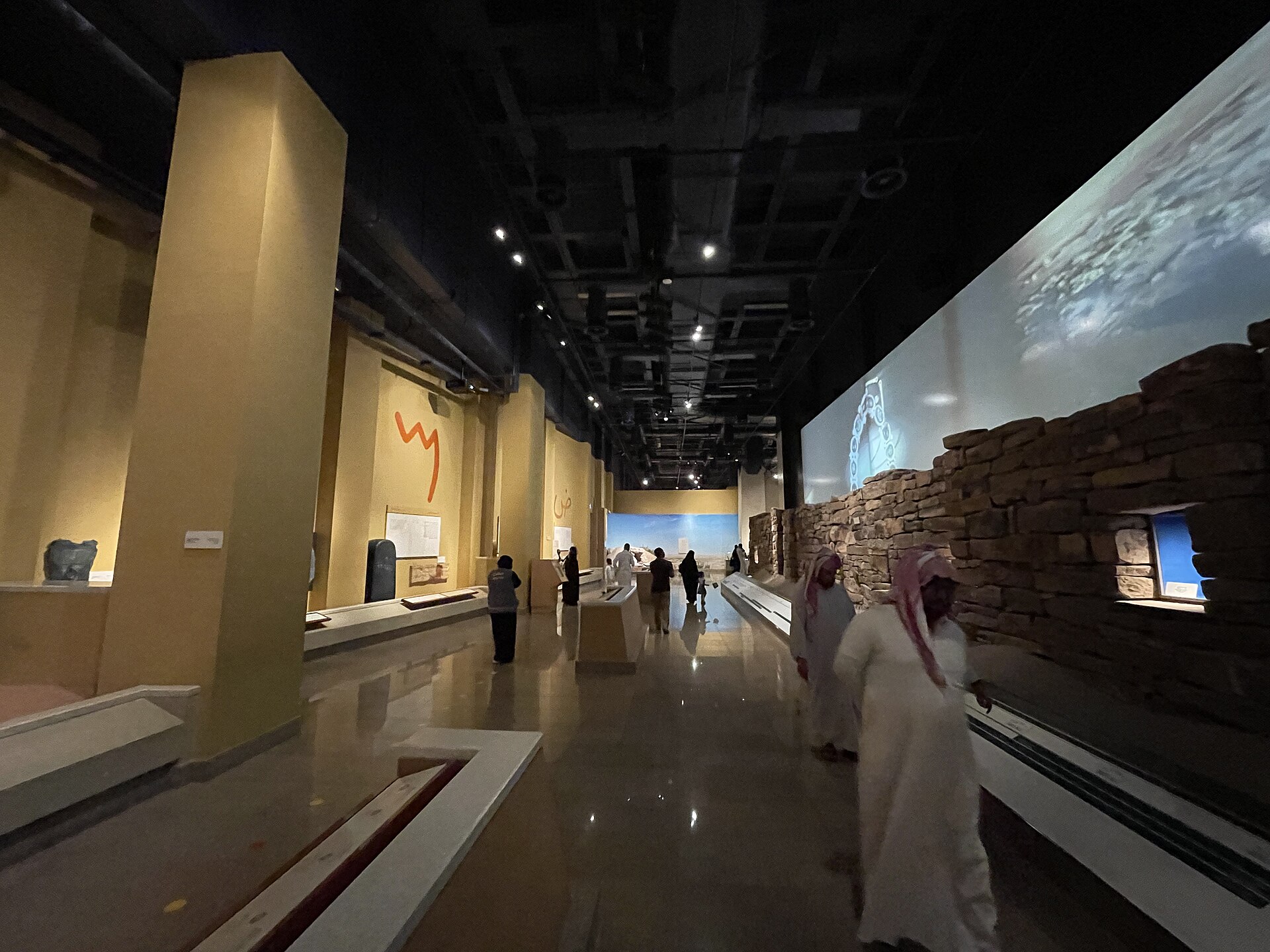
The National Museum of Saudi Arabia covers the Arabian Peninsula from prehistory to the modern state, arranged as halls running in sequence so the whole span can be walked in one visit. It sits inside the King Abdulaziz Historical Centre in central Riyadh, a short drive from Al Masmak, the clay fort where the capture of the city in 1902 began the state that exists today. Four watchtowers, thick walls and one studded door: a garrison building, and small.
At-Turaif and Wadi Hanifa
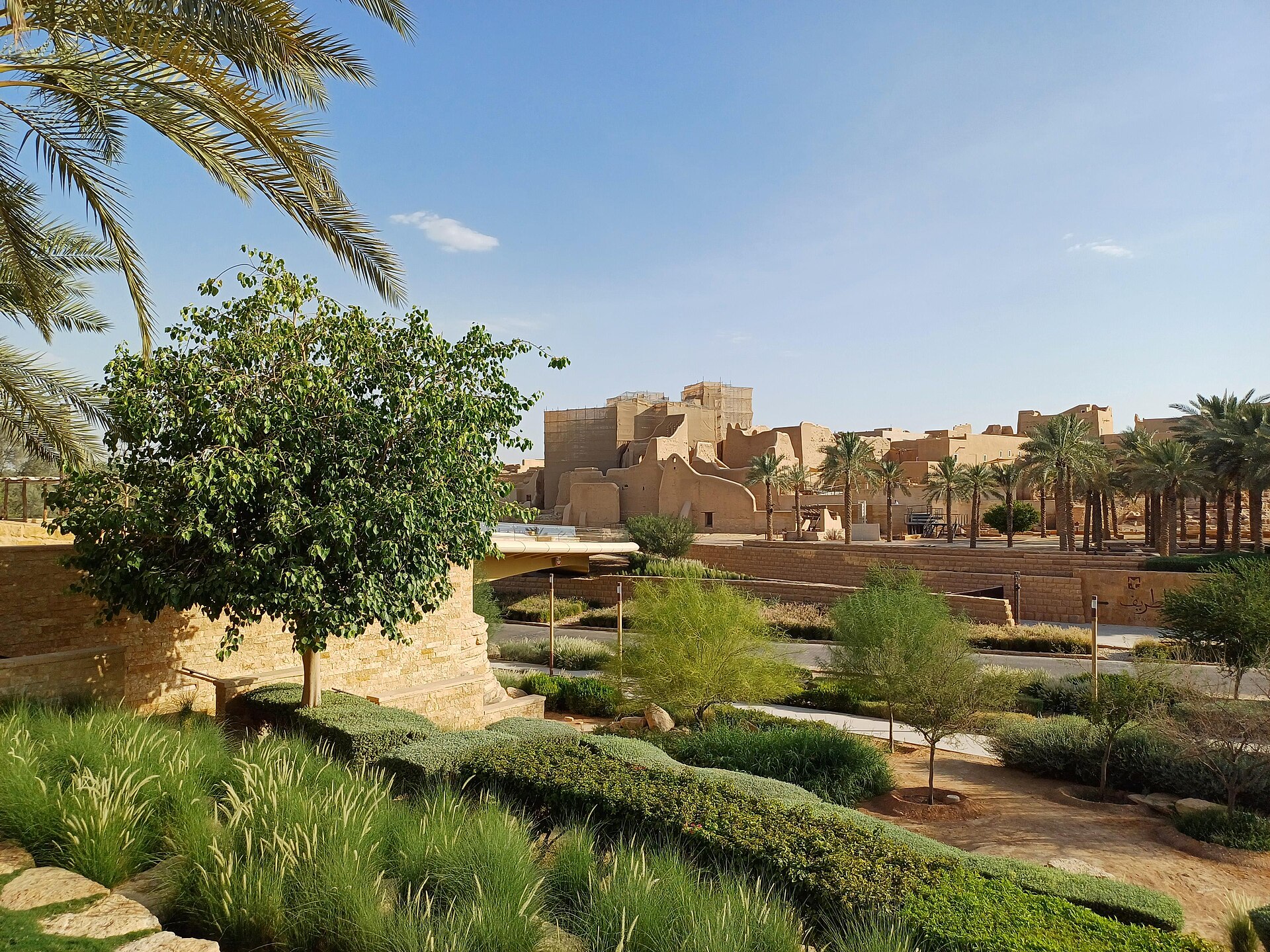
At-Turaif is the mud-brick district at Diriyah that was the seat of the Emirate of Diriyah from 1727 to 1818, and a UNESCO World Heritage Site since 2010: palaces, a mosque and defensive walls in Najdi style on the edge of the Wadi Hanifa valley. It is the most complete surviving Najdi architecture at this scale, restored and opened as a museum quarter you walk through. Wadi Hanifa runs below it as a green corridor and fills the late afternoon.
North to Hail
A flight north to Hail, a city between granite ranges and open plains that was a stop on the old northern trade routes. The afternoon covers the two landmarks in the city itself: A'arif Fort, on its hilltop since 1256 AH and built to guard the southern approach, and Barzan Palace, of which two towers of around 12 metres remain.
Jubbah rock art and the Aja mountains
Out into the Nafud sand sea to Jubbah, about 90 kilometres north-west of Hail, where the carvings on Umm Senman were inscribed by UNESCO in 2015. Human figures, cattle, ibex and hunting scenes are cut into sandstone that once stood on a lakeshore, and the animals shown belong to a wetter Arabia than the one there now. On the way back you drive through the Aja mountains, dark red granite standing out of pale sand with palm settlements in the gaps.
On to AlUla
A travel day into the AlUla valley, which holds four distinct sites within a short drive of one another. You arrive with the afternoon free and the next two days already booked.
Hegra
Hegra was the southern capital of the Nabataean kingdom and is the largest conserved Nabataean site south of Petra, with more than 110 tombs cut into sandstone outcrops and 94 of them decorated. The facades date from the 1st century BC to the 1st century AD. It is entered only by guided tour with an AlUla Rawi, moving between clusters by vehicle. At the visitor centre is the reconstructed face of Hinat, excavated from one of the tombs in 2008.
Dadan, Jabal Ikmah and the Old Town
Dadan was the capital of the Dadanite and Lihyanite kingdoms before the Nabataeans reached Hegra, and its tombs are cut almost 50 metres up the cliff wall, two guarded by carved lions. Jabal Ikmah is a narrow canyon carrying hundreds of inscriptions in Dadanitic, Thamudic, Minaic and Nabataean scripts, on UNESCO's Memory of the World Register for documentary heritage. They record names, dedications and offerings rather than proclamations. The evening is in AlUla Old Town, mud-brick houses from the 12th century behind fourteen gates, under a fort of around the 10th century standing 45 metres up.
On to Jeddah and Al-Balad
A flight to Jeddah and the afternoon in Historic Jeddah, on the World Heritage List since 2014. The city has been a major Indian Ocean port since the 7th century AD and the sea gateway for pilgrims to Makkah, and that double role paid for the quarter that survives: tower houses of coral stone, their facades covered in roshan, the carved wooden bay windows. Many buildings are propped and restoration is running one at a time, so half of it is a work site.
Depart Jeddah
Time in the morning to go back into the old quarter or out along the corniche, depending on your flight, then a transfer to the airport.
What is included
- Nine nights of accommodation across four bases
- Private vehicle and driver at every stop
- English-speaking guide at each site on the itinerary
- Internal flights shown in the itinerary
- Hegra tour with an AlUla Rawi, booked in advance
- All site entries listed in the itinerary
- Airport transfers on arrival and departure
- Daily breakfast
What is not
- International flights to and from Saudi Arabia
- Saudi entry visa, applied for through the official portal
- Lunches and dinners other than those stated
- Travel insurance
- Personal spending and gratuities
The places on this trip
Send us your dates
We come back with the itinerary written out and one clear cost.