Three stops down the western side of the country, each with a different kind of ground under it. Jeddah is the Red Sea port and the arrival point. AlUla is the sandstone valley that holds Saudi Arabia's first World Heritage Site. Tabuk is the north-west, where the old road from Damascus and the Hejaz Railway both ran south towards Madinah.
The days are built around early starts. Hegra can only be entered on a guided tour with transport between the tomb clusters, and daily numbers are capped, so that day is booked before you travel. October to March is the workable window for AlUla; summer in the valley is severe.
It suits travellers who want the archaeology and the landscape in the same trip rather than choosing between them, and who are content to be on their feet for a few hours at a time.
Day by day
Arrive Jeddah
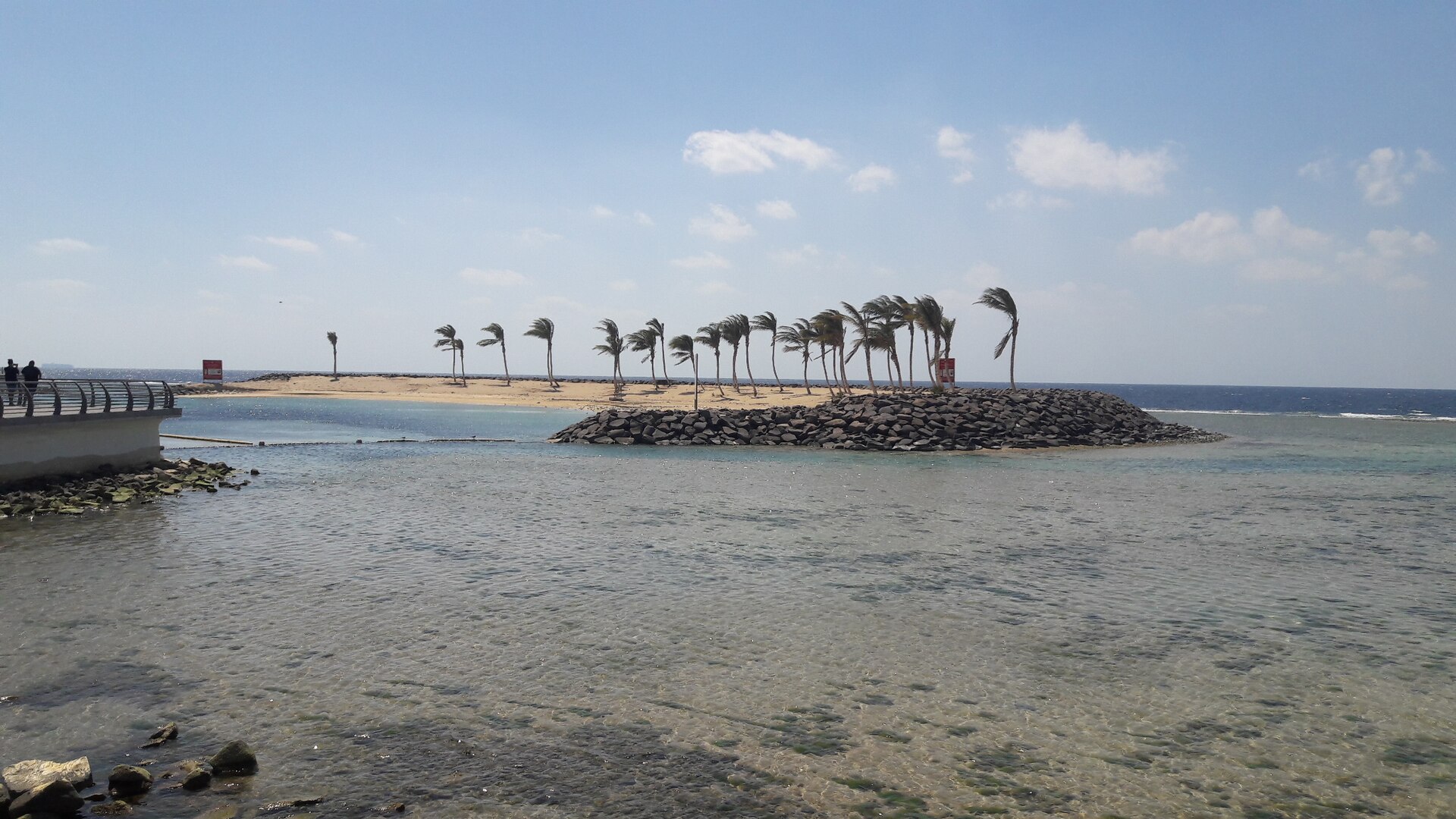
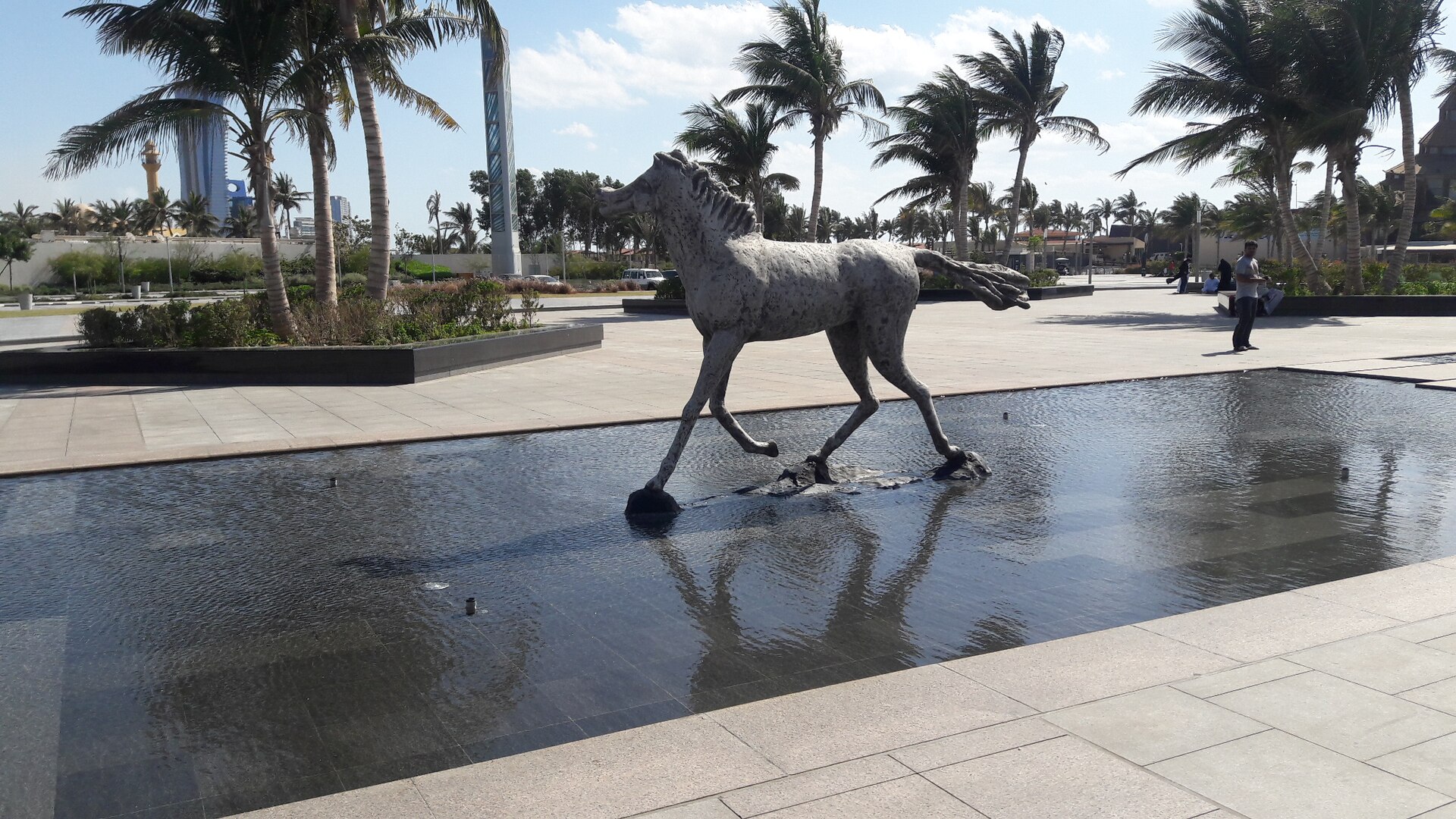
You are met at the airport and driven to your hotel. Jeddah has the country's second international airport and is the standard arrival point for the west coast and for AlUla, so the trip starts here. Nothing is scheduled for the rest of the day. If you land early, your driver can take you out to the seafront, which runs for over 30 kilometres along the Red Sea and is where the city goes in the evening.
Historic Jeddah
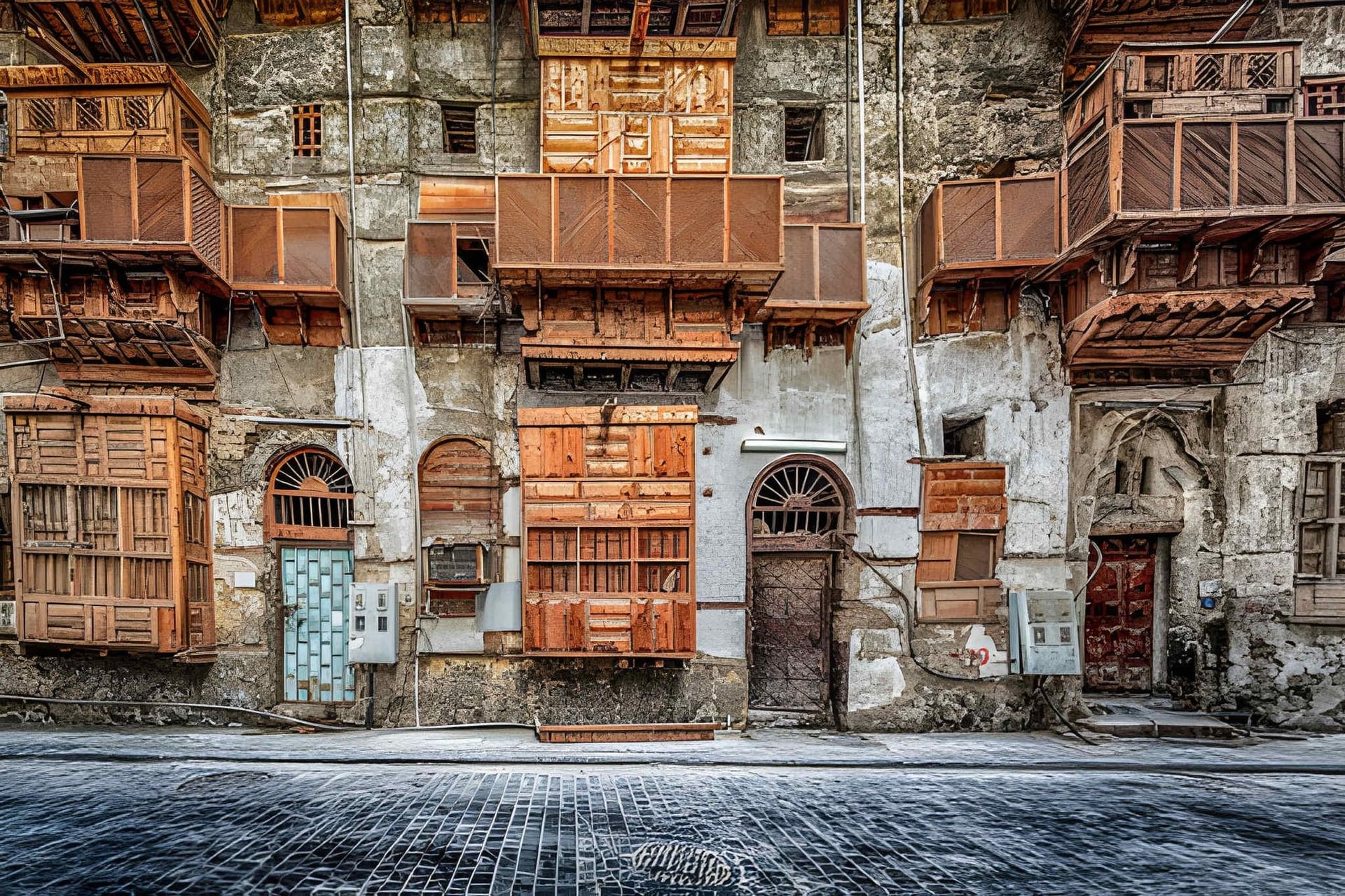
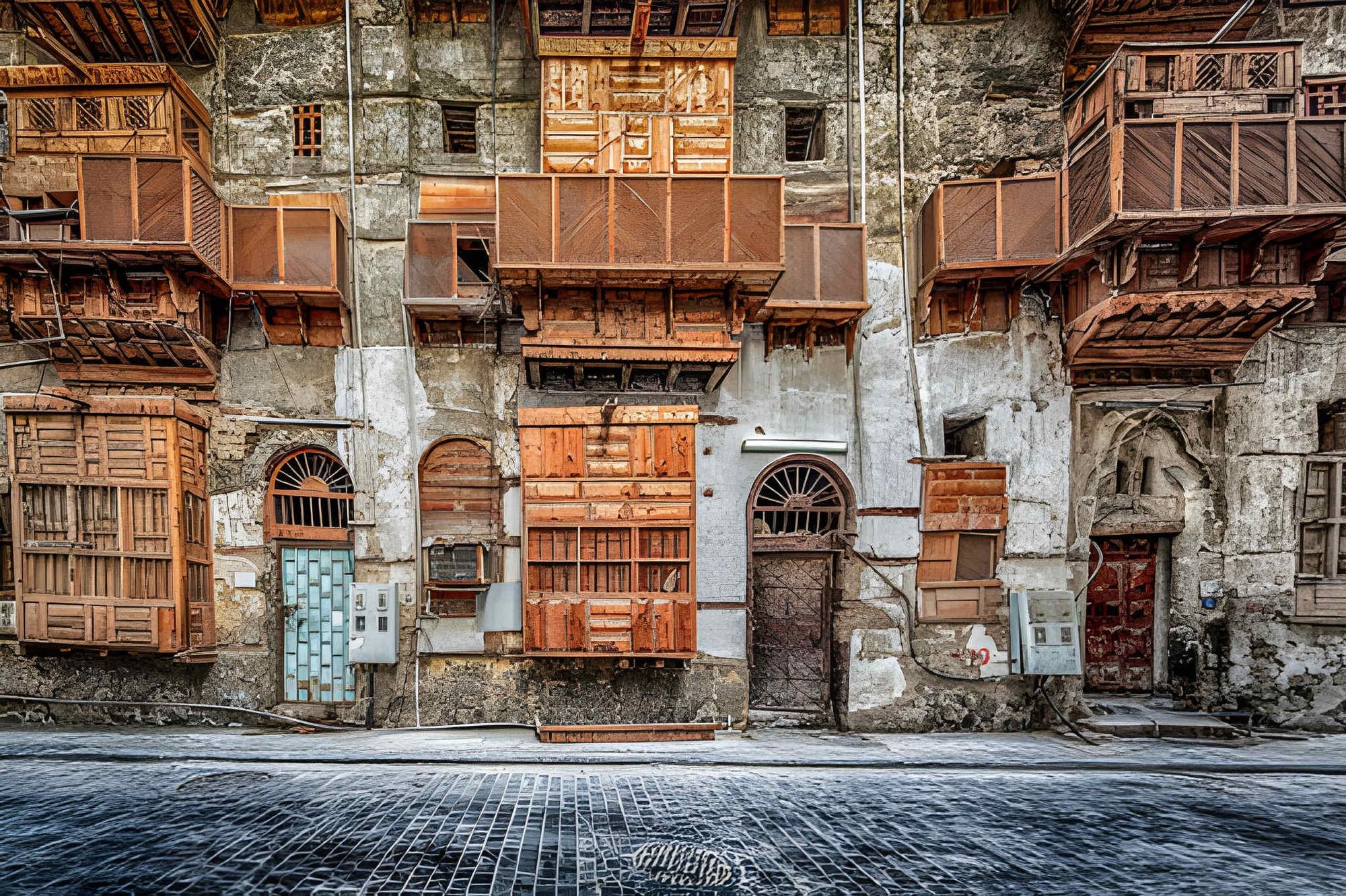
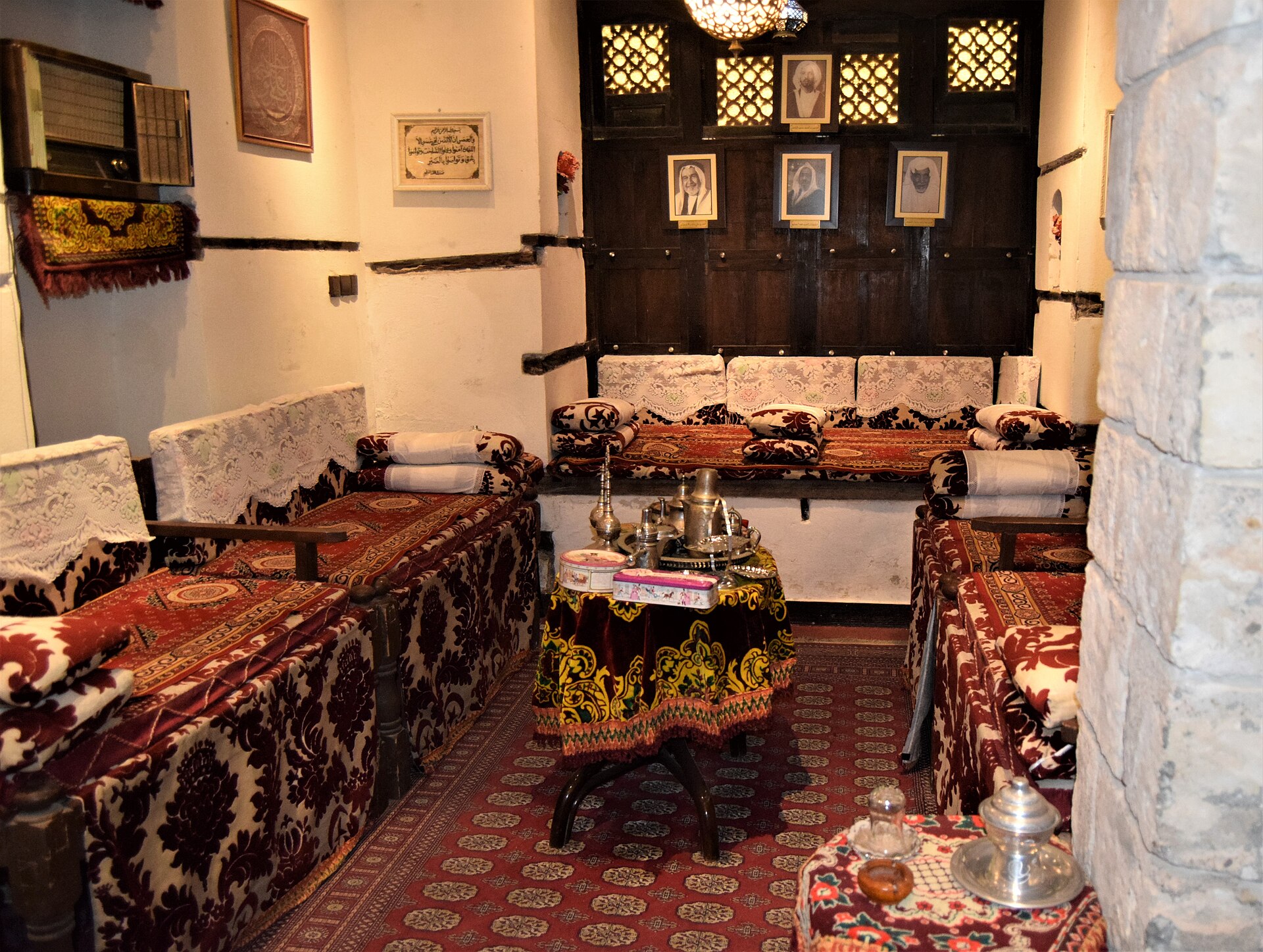
The morning is spent walking Historic Jeddah, the old merchant quarter known locally as Al-Balad and on the UNESCO World Heritage List since 2014. The buildings are the reason to come: tower houses of coral stone several storeys high, their facades covered in roshan, the carved wooden bay windows that let air through while keeping the street from seeing in. The city has been a major Indian Ocean port since the 7th century AD and the sea gateway for pilgrims arriving for Makkah, and that double role paid for the quarter that survives. Much of it is propped and under restoration, running building by building, so you are walking through a working site rather than a finished one. The afternoon is free.
Fly to AlUla
You fly on to AlUla in the morning and check in around the middle of the day. Late afternoon is given to AlUla Old Town, a labyrinth of mud-brick houses built from the 12th century on the incense route and on the pilgrim road from Damascus to Makkah, abandoned within living memory and now partly restored. Fourteen gates once controlled the way in, and a fort dating to around the 10th century stands 45 metres above the alleys. The timing is deliberate: most of the town opens between 8 and 9 in the morning, but it only fills up after 3pm, with shops running to about 11pm and restaurants later still.
Hegra
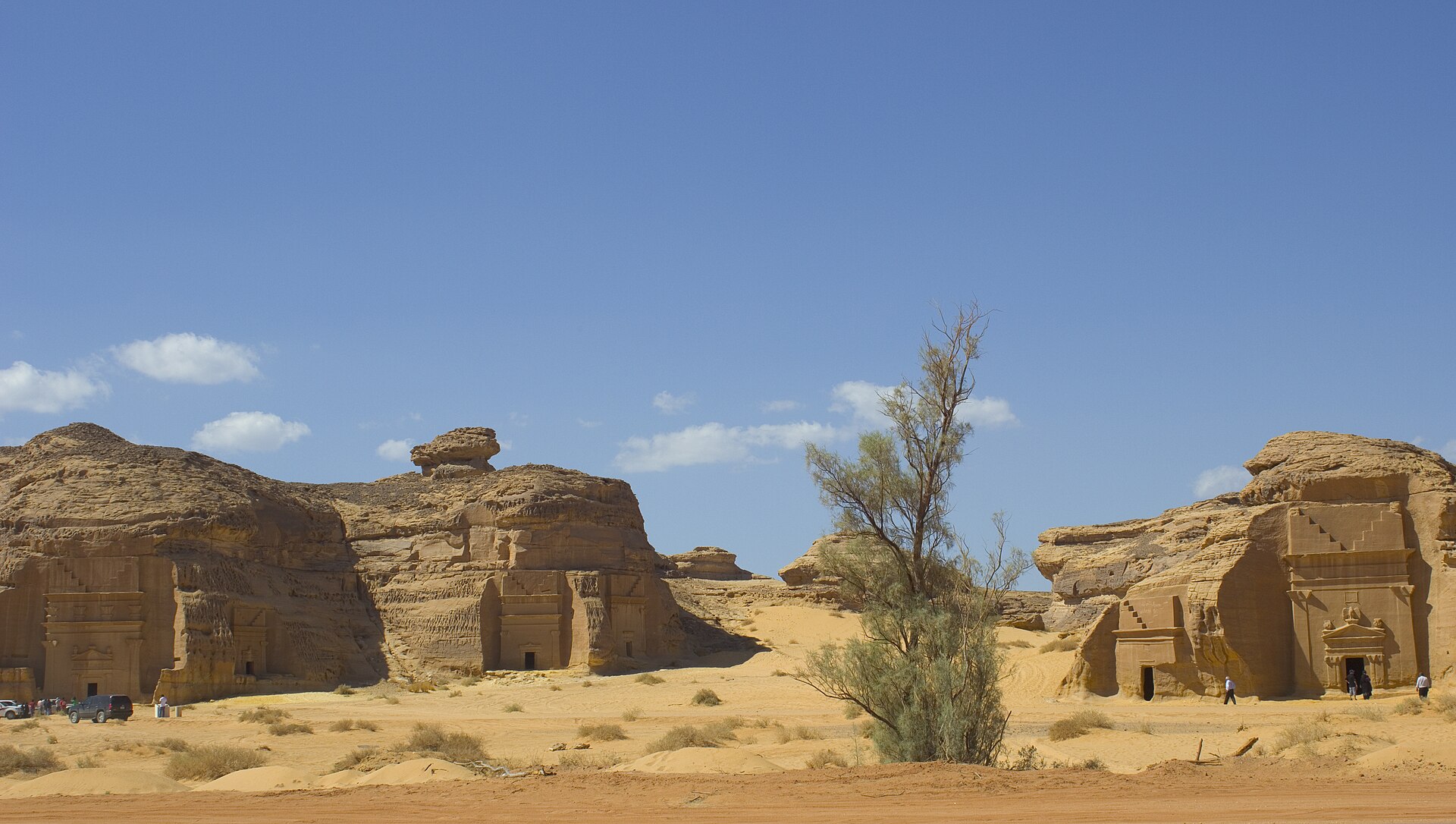
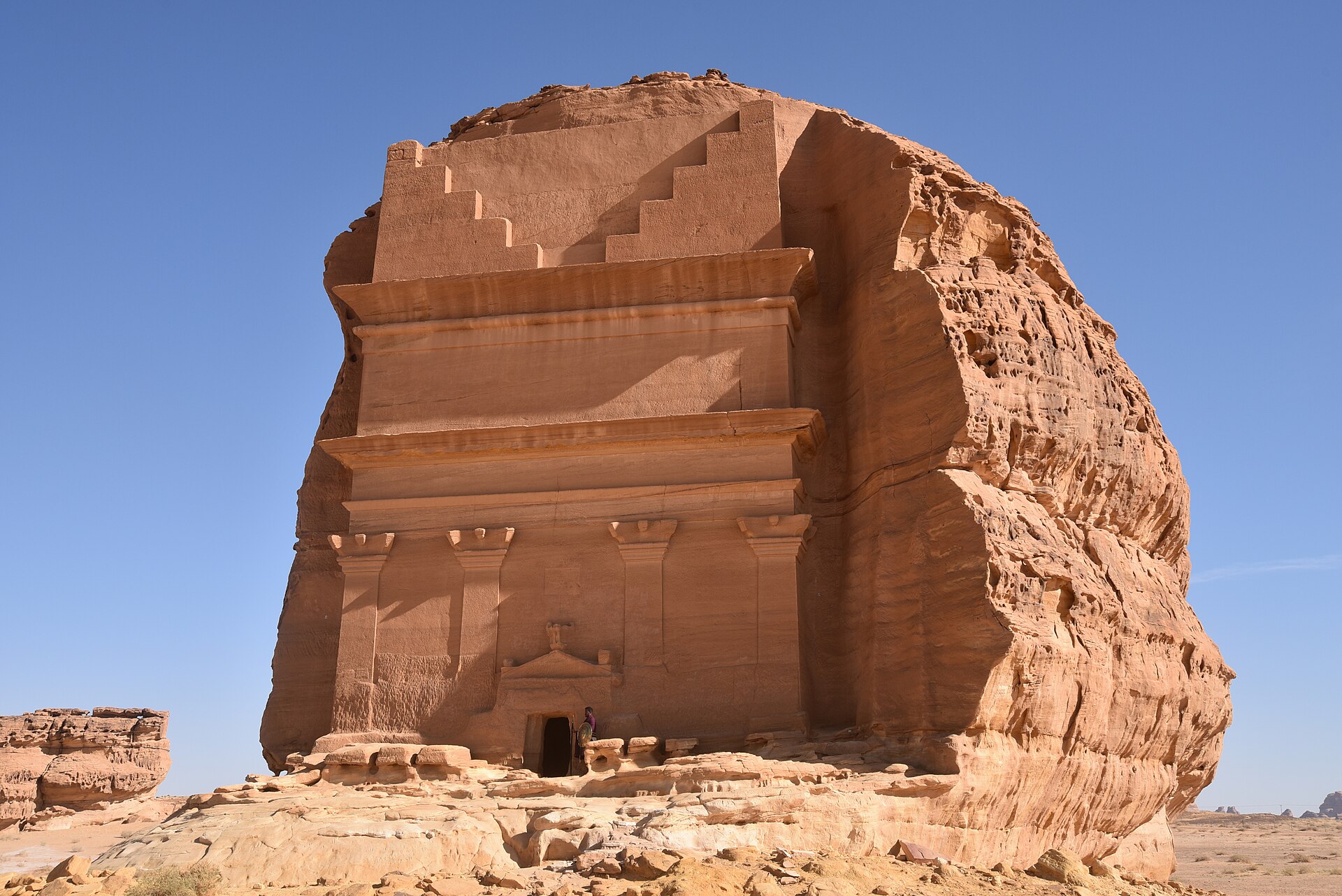
The full day at Hegra, the largest surviving Nabataean city after Petra and the first place in Saudi Arabia inscribed on the UNESCO World Heritage List. More than 110 tombs are cut into sandstone outcrops scattered across the desert floor, their facades carved directly into the rock, and some chambers carry inscriptions naming the person laid inside. You travel between the tomb clusters by vehicle with an AlUla Rawi, the local storyteller-guides. At the visitor centre is the reconstruction of Hinat, whose burial was excavated here in 2008 and who is the one person at the site with a name attached.
Dadan, Jabal Ikmah and Elephant Rock
The morning goes to Dadan, capital of the Dadanite and Lihyanite kingdoms, cut into the cliff face above the AlUla oasis. The tombs sit almost 50 metres up the rock wall as square openings in a line, two of them guarded by carved lions, and the scale only registers when you see how small the people below them are. Then Jabal Ikmah, a desert canyon whose walls carry hundreds of pre-Arabic inscriptions in Dadanitic, Thamudic, Minaic and Nabataean scripts. It is on UNESCO's Memory of the World Register, which covers documentary heritage and is a different list from the World Heritage one. The canyon is short and mostly level. The day ends at Elephant Rock, a 52-metre sandstone outcrop weathered into the shape of an elephant with its trunk to the ground; the rock turns deep red as the light goes, and there is sunken seating cut into the sand around the base to wait it out.
On to Tabuk
The transfer takes up the first part of the day. Tabuk is the natural base for the far north-west: sandstone desert, a province holding a large number of archaeological sites, and the canyon country west and south of the city that the region is really known for. You check in and the afternoon is yours.
Tabuk Castle and the Hejaz Railway
Tabuk Castle was built in 1559 on the old road connecting Damascus to Madinah. Its towers were used for watching and guarding that road, and it was a station for pilgrims heading to Makkah as well as for trade caravans. Inside are inscriptions, old photographs and heritage exhibits, and a room showing documentary films. The Hejaz Railway station in the city belongs to the same route. Work on the line began in 1900 and took eight years; within Saudi Arabia it runs through 23 stations set about 20 kilometres apart, and the first train reached Madinah on 22 August 1908. The outbreak of the First World War in 1914 damaged large parts of it and service stopped. There is no entry ticket for either the castle or the station.
Departure
You are driven to the airport for your onward flight. Late check-out and luggage storage are arranged where the departure is late in the day, and your driver stays with you until you go through.
What is included
- Seven nights' accommodation with daily breakfast
- Private air-conditioned vehicle with driver for all transfers and sightseeing
- English-speaking guide on all sightseeing days
- Domestic flights within Saudi Arabia as set out in the itinerary
- The guided Hegra tour with an AlUla Rawi, booked in advance
- Site entry and permits where these are required
- Meet and assist at the airport on arrival and departure
- Bottled water in the vehicle
- A 24-hour contact number for the duration of the trip
What is not
- International flights to and from Saudi Arabia
- The Saudi entry visa, which is applied for through the official government portal
- Travel insurance
- Lunches, dinners and drinks unless stated in the itinerary
- Tips and personal spending
The places on this trip
Send us your dates
We come back with the itinerary written out and one clear cost.