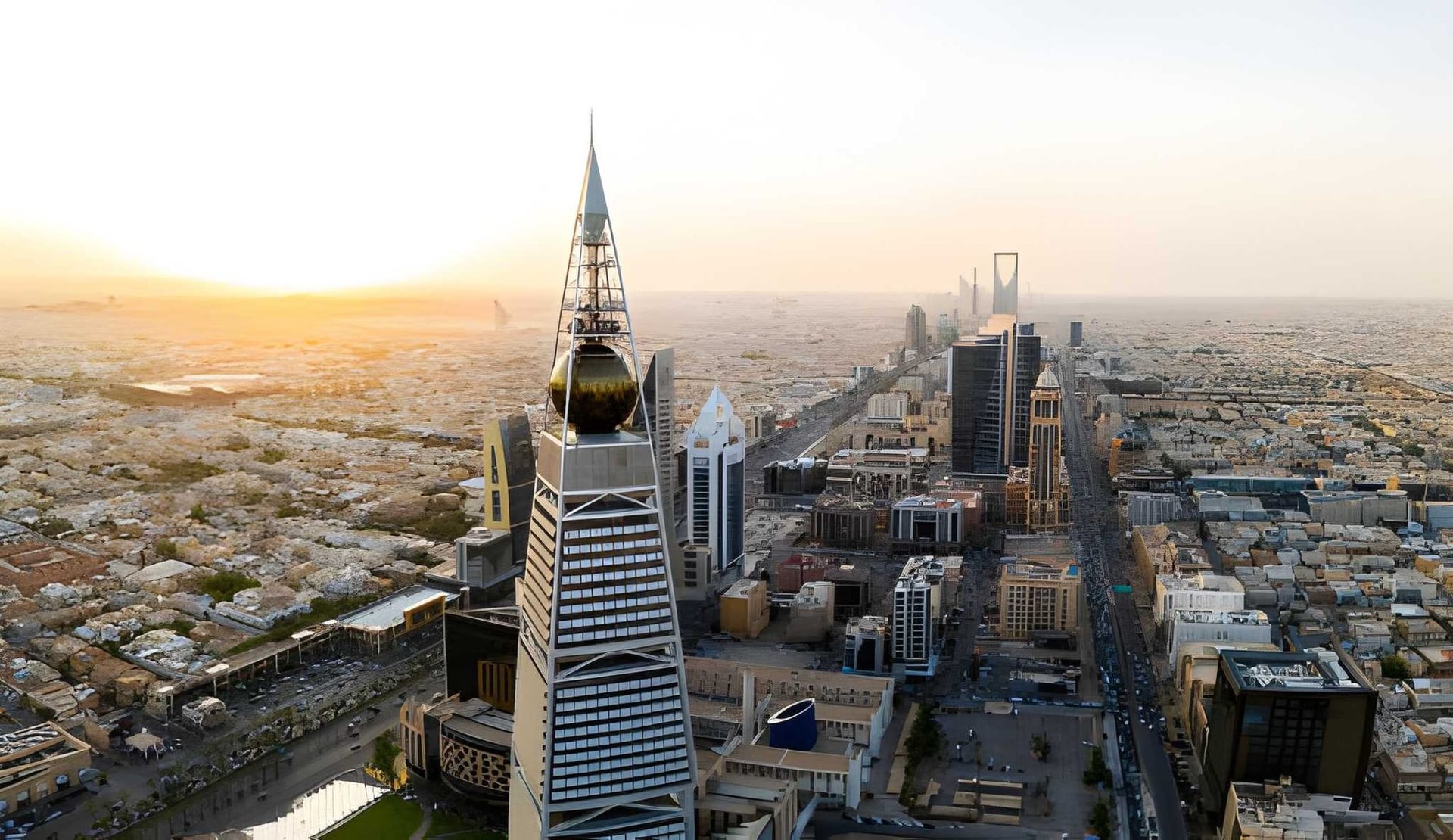
Four cities in a week, taken in the order the country's history happened in. You start in Riyadh with the sites the modern state was founded on, fly on to AlUla for the Nabataean tombs and the inscription canyons, cross to Madinah, and finish on the Red Sea coast in Jeddah.
It moves. Two internal legs in seven days mean early starts on the travel days, and the sites are the point rather than the hotels. It suits travellers who would rather see the whole span of the country once than one region in depth.
Guides and transport are arranged at each stop. Hegra is booked before you travel, because it can only be entered on a guided tour and the number of places each day is capped.
Day by day
Arrive Riyadh
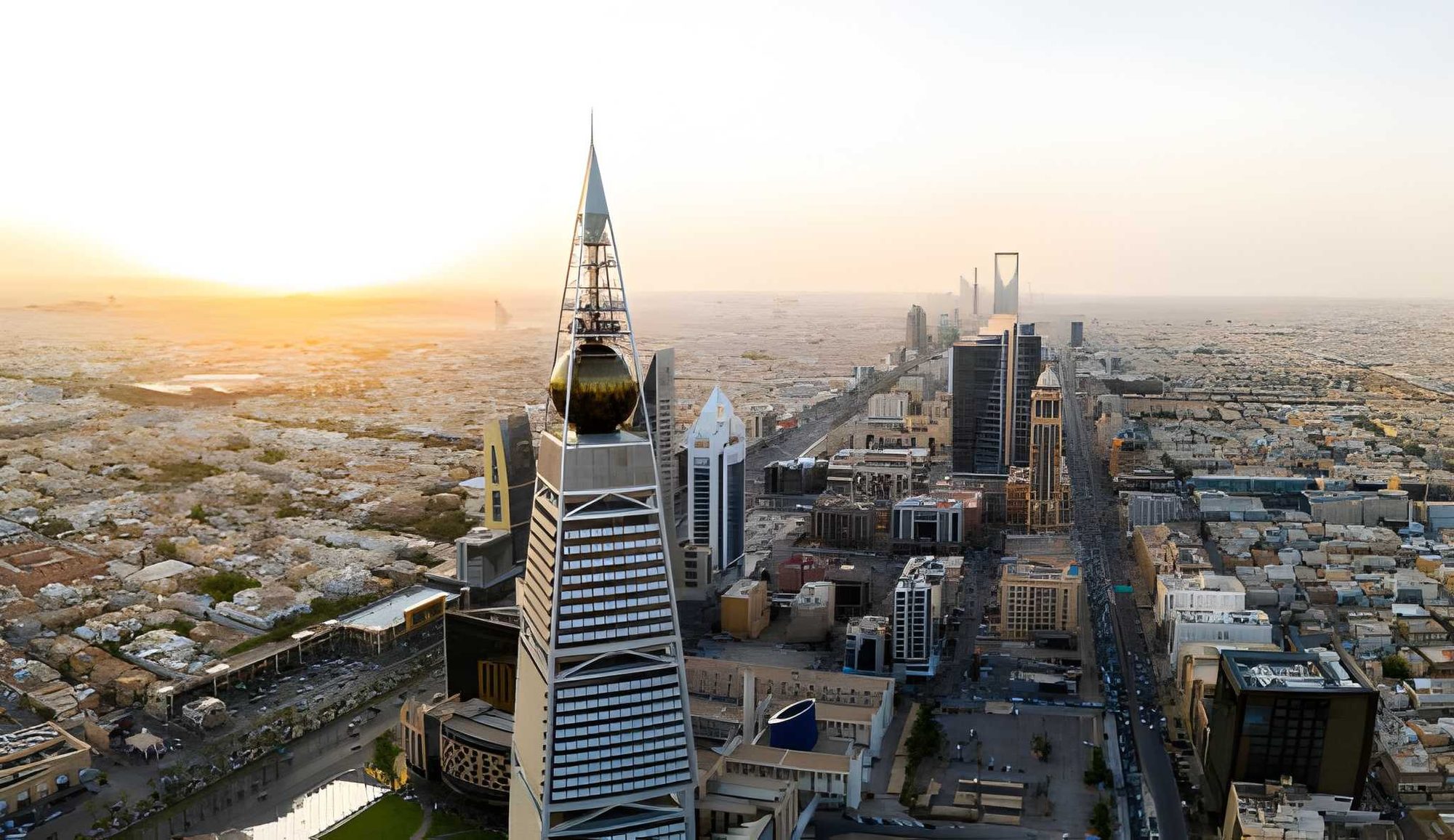
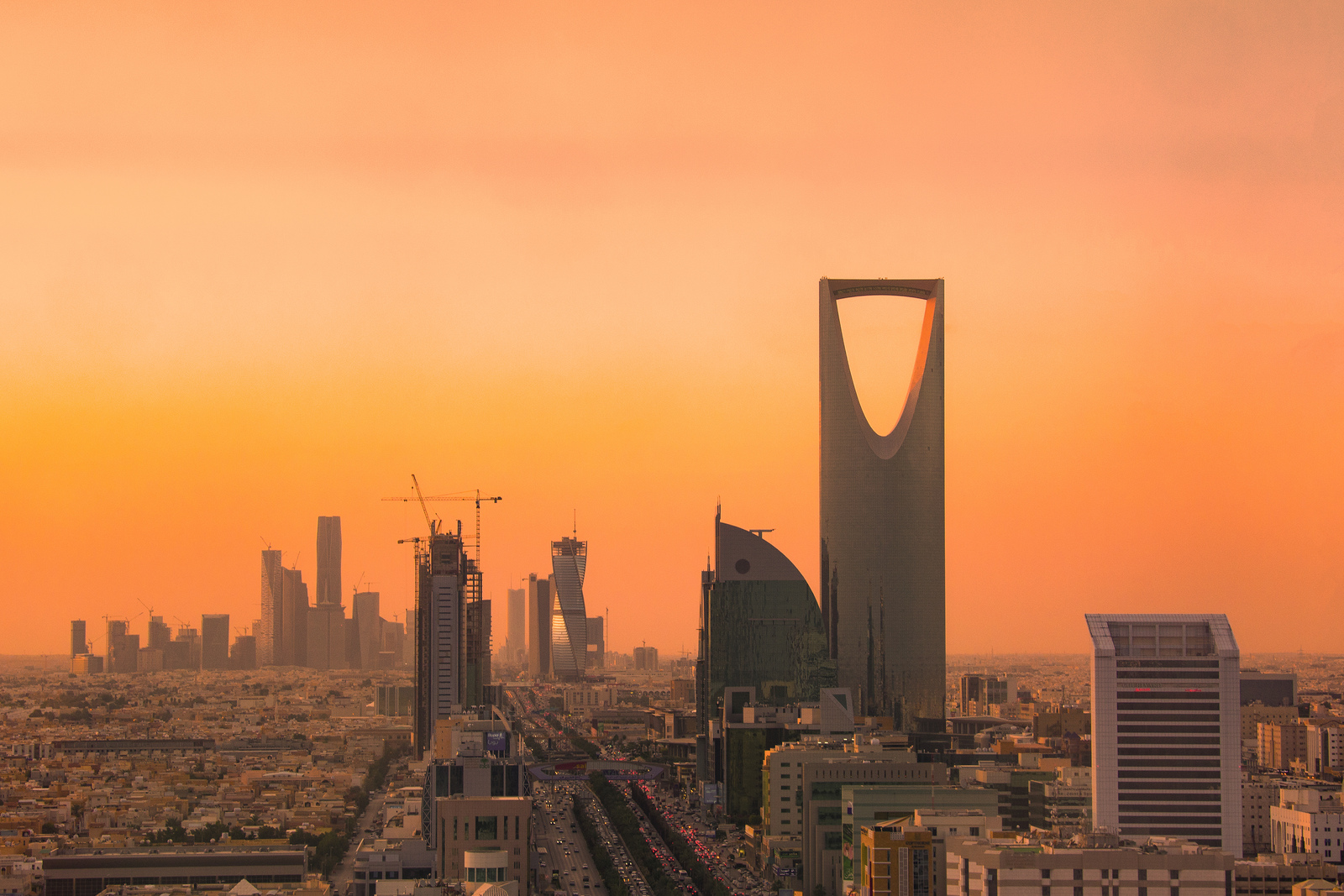
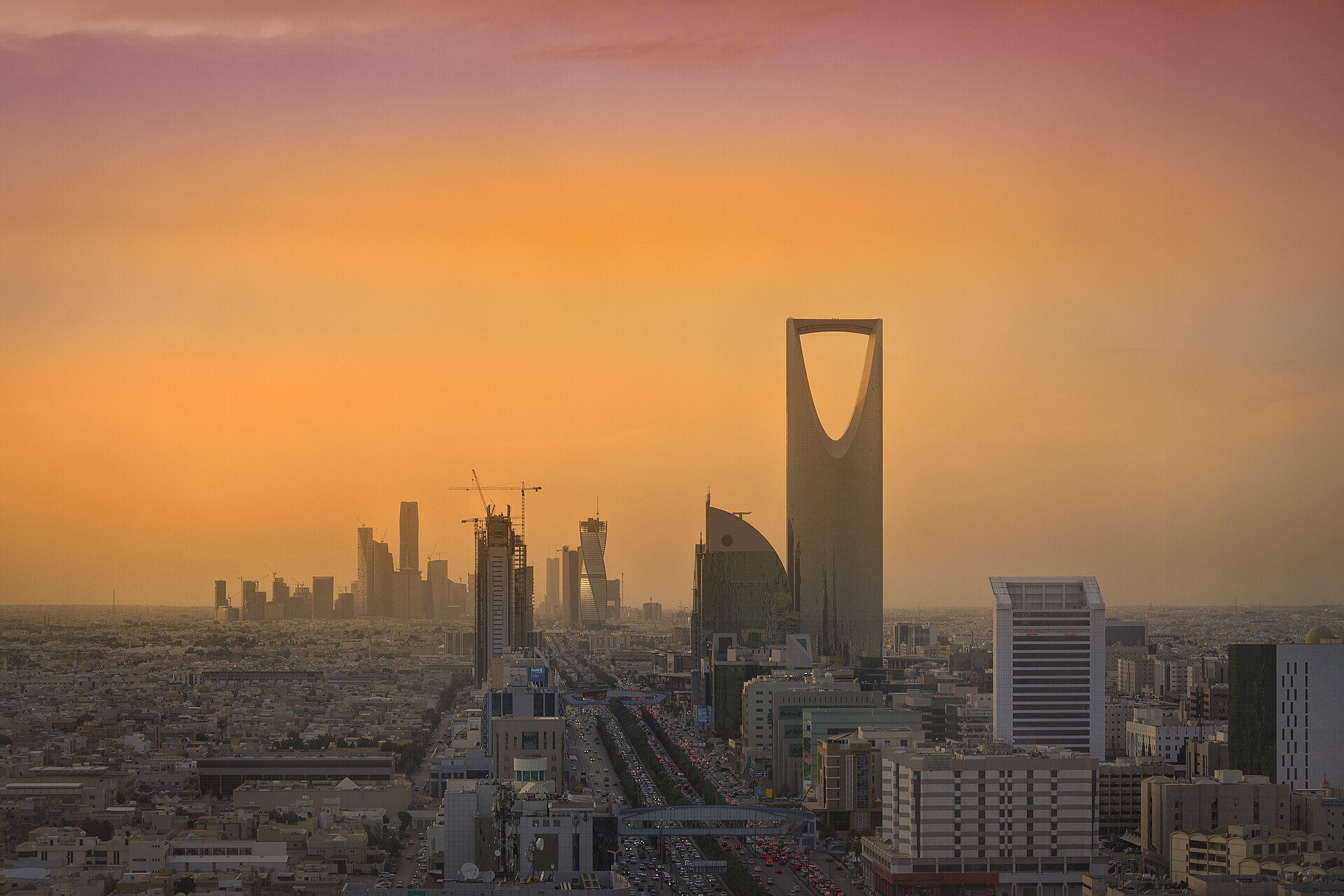
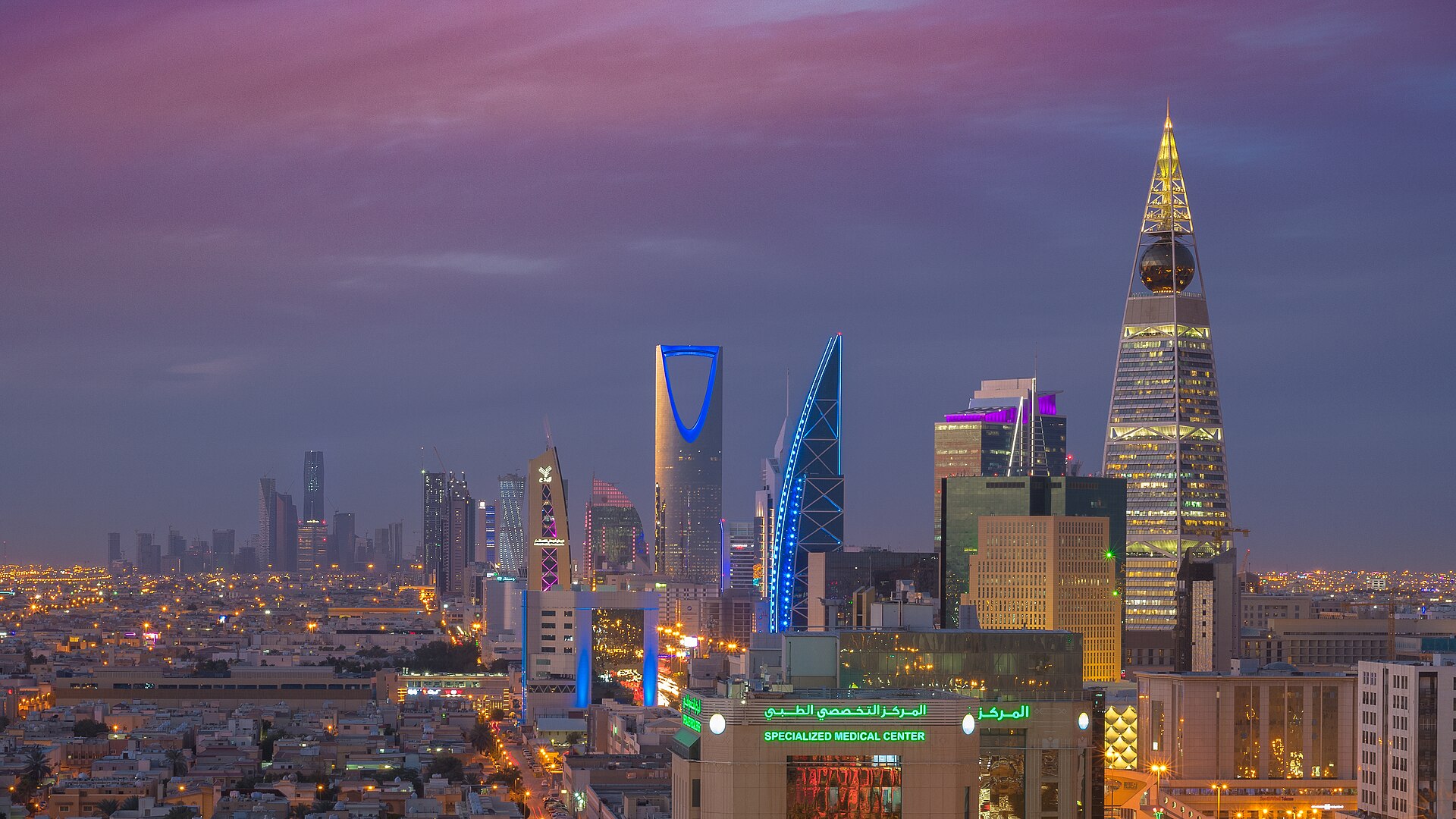
You are met at the airport and taken to your hotel. Riyadh is the country's main air hub, so it is usually the arrival point whether or not the capital is the reason for the trip. Nothing is scheduled for the rest of the day. Distances inside the city are large and it is built for driving, so the evening is left open and the driver stays available.
Riyadh: the National Museum and Al Masmak
The morning is at the National Museum of Saudi Arabia. Its halls run in order, so you can walk the whole sequence in one visit without doubling back: geology, pre-Islamic Arabia, the life of the Prophet, the successive Saudi states and the unification. Done first, it makes everything later in the week easier to read.
Al Masmak stands a short drive away in the old quarter. It is the mud-and-clay fort where the capture of Riyadh in 1902 began the state that exists today - four watchtowers, thick clay walls and a single studded door. It is small, and that is the point: this was a garrison building, not an ornamental palace. The afternoon covers the old centre around it.
Diriyah and Wadi Hanifa, then north to AlUla
About twenty minutes from the centre, At-Turaif is the mud-brick district that served as the seat of the Emirate of Diriyah from 1727 to 1818, and a World Heritage Site since 2010. It is the most complete Najdi architecture surviving at this scale - thick walls, stepped parapets, triangular openings cut high for light and air - and it has been restored as a museum quarter, so you walk the streets rather than round a fence.
Wadi Hanifa runs directly below the district. The valley was the reason Riyadh grew where it did, and it has been rebuilt from a dumping ground into a green corridor of water channels and walking paths, which is where the late afternoon goes.
You fly on to AlUla in the evening.
AlUla: Hegra and Dadan
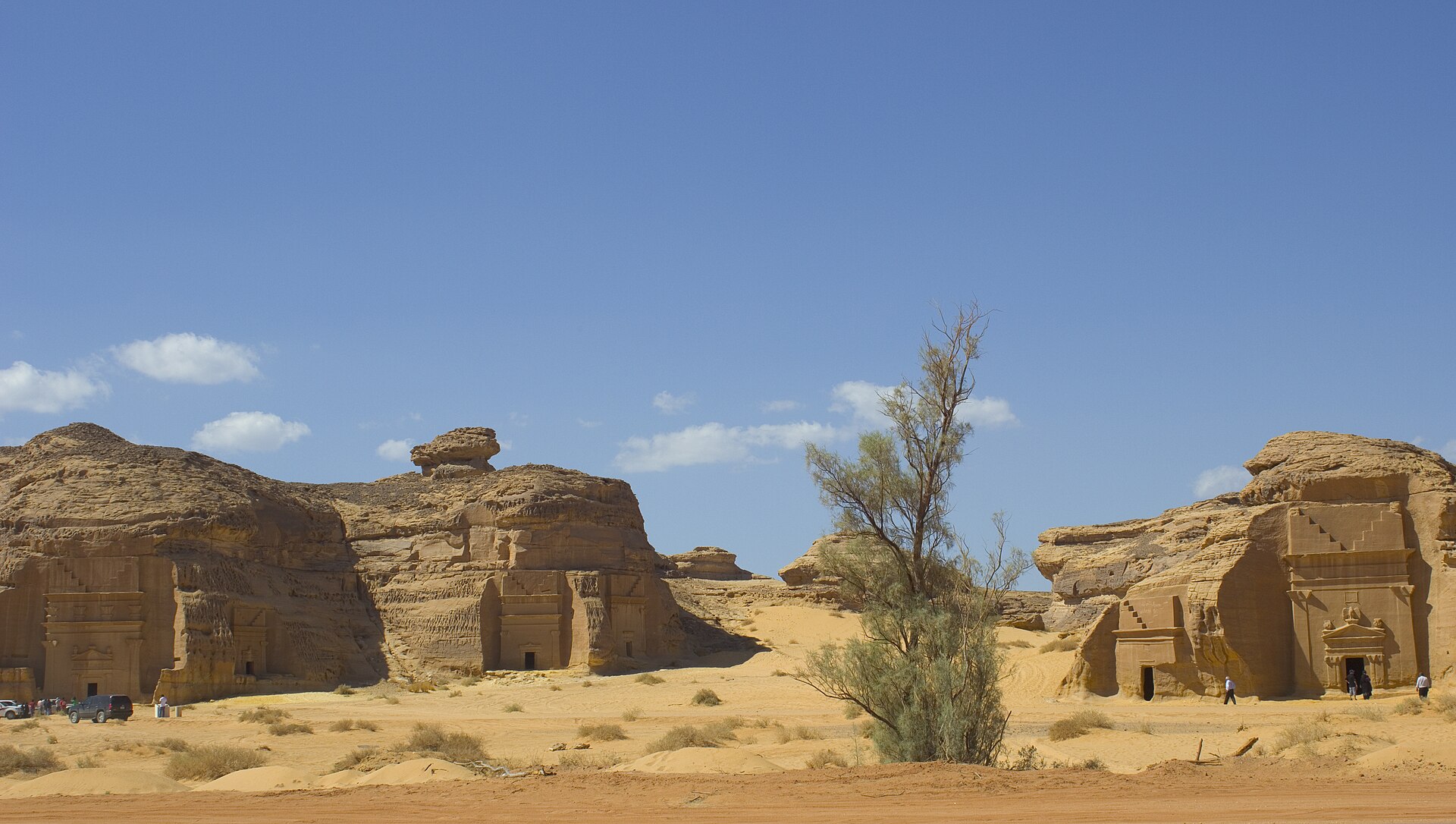
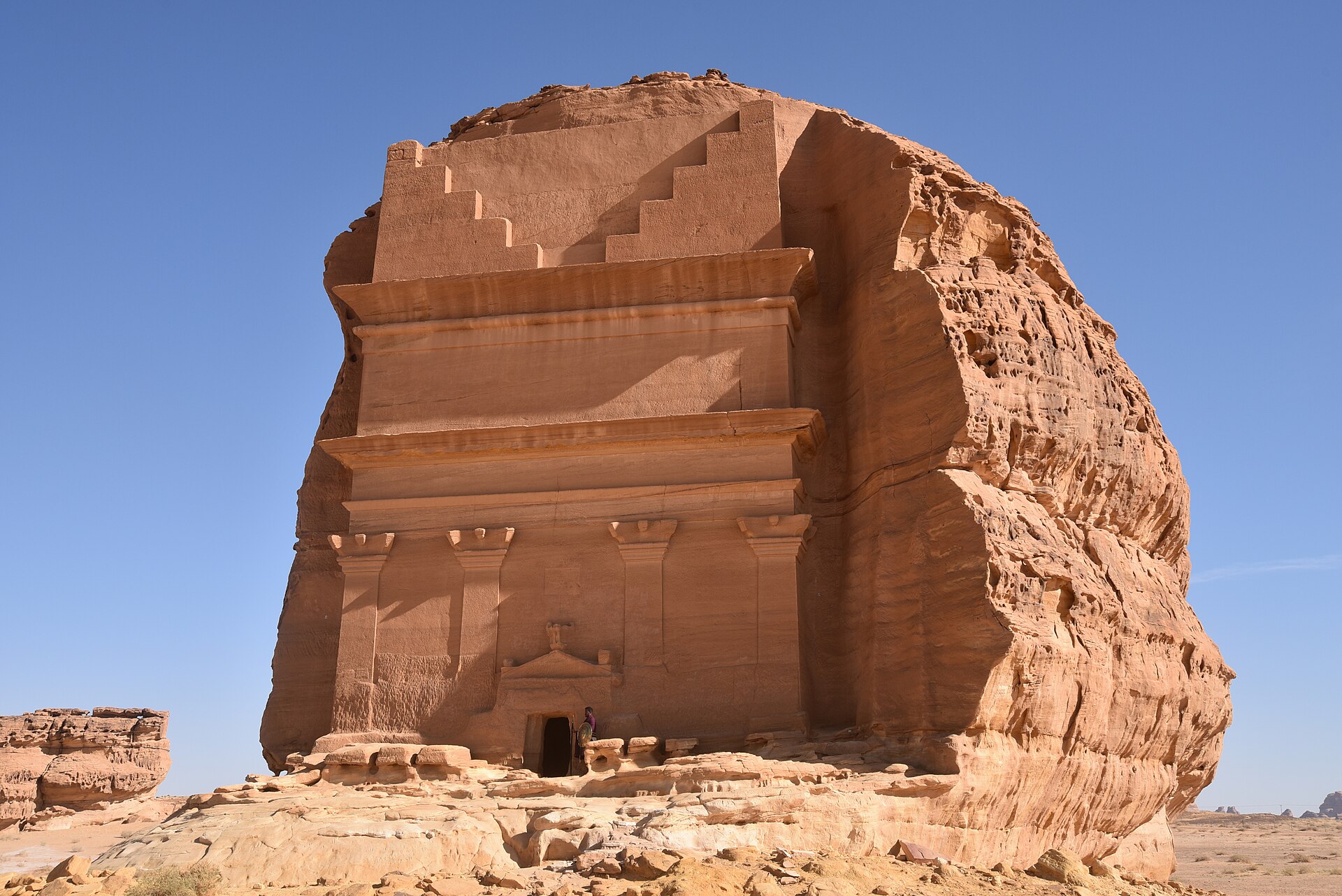
Hegra is the largest surviving Nabataean city after Petra and the first place in Saudi Arabia inscribed on the World Heritage List. More than 110 tombs are cut into sandstone outcrops standing loose on the desert floor, their facades carved straight into the rock. You travel between the tomb clusters by vehicle with an AlUla Rawi, one of the local storyteller-guides. One tomb has a name attached: Hinat's burial was excavated in 2008, and the reconstruction of her face is shown at the visitor centre.
Dadan is the afternoon. It was the capital of the Dadanite and Lihyanite kingdoms, and its tombs are cut into the cliff wall almost fifty metres up, two of them guarded by carved lions. From the valley floor they read as a row of dark squares in red stone until you notice the scale of the people standing below.
AlUla: Jabal Ikmah, the Old Town and Elephant Rock
Jabal Ikmah is a short desert canyon whose walls carry hundreds of pre-Arabic inscriptions in Dadanitic, Thamudic, Minaic and Nabataean script - dedications, names and offerings rather than royal proclamations. It sits on UNESCO's Memory of the World Register, which covers documentary heritage and is a different list from the World Heritage List. There is no ticket, the path is level and the carvings are close enough to read from it.
AlUla Old Town follows: a labyrinth of mud-brick houses built from the 12th century on the incense road and the pilgrim route, walled with fourteen gates and overlooked by a fort forty-five metres above it. Most of the town opens between eight and nine in the morning and comes alive after three in the afternoon.
The day ends at Elephant Rock, a fifty-two-metre sandstone outcrop weathered into a trunk and a raised head. The sandstone turns deep red as the light drops, and there are sunken seating areas cut into the sand around the base to wait it out.
On to Madinah
You transfer to Madinah in the morning. Madinah is one of the two holiest cities in Islam and, unlike Makkah, it is open to visitors of any faith; access to the sacred areas, including Al Masjid an Nabawi, is restricted to Muslims. Muslim travellers who want to enter Al Rawdah Al Sharifah need a permit, booked in advance through Nusuk.
The rest of the city is open to everyone, and that is what the afternoon covers: the historic neighbourhoods, the date farms on the edge of the city, Uhud mountain and the old lava fields that make the ground here unlike anywhere else in the Hejaz. The city runs on prayer times and pilgrimage seasons, so the day is arranged around them.
Jeddah and departure
The Haramain high-speed line runs from Madinah to Jeddah and you take it in the morning. Al-Balad, the old merchant quarter, has been on the World Heritage List since 2014. Jeddah has been the sea gateway to Makkah since the 7th century, and the pilgrim and Indian Ocean trade paid for what stands here: tower houses of coral stone several storeys high, faced in roshan, the carved wooden bay windows that let air through while keeping the street out. A good part of it is propped and under restoration building by building, so the quarter is half ruin and half work site.
You are taken to the airport for your flight home.
What is included
- Accommodation for six nights, with breakfast
- All airport and station transfers
- Internal travel between Riyadh, AlUla, Madinah and Jeddah as set out above
- Vehicle and driver at each stop
- English-speaking guide on sightseeing days
- Guided entry to Hegra with an AlUla Rawi, booked in advance
- Site entry arranged wherever a booking is required
- Bottled water in the vehicle
- A contact number for the whole trip
What is not
- International flights
- The Saudi entry visa, which you apply for yourself through the official portal
- Travel insurance
- Lunches, dinners and drinks
- Tips and personal spending
The places on this trip
Send us your dates
We come back with the itinerary written out and one clear cost.