Five stops in ten days, taken in the order that makes the country legible: Riyadh and the founding of the modern state, AlUla and the civilisations that traded through it, Madinah in the Hejaz, and Jeddah on the Red Sea, with a day up in the mountains at Taif at the end.
Ten days is enough to cross the country once without rushing any single stop, but it is a moving trip: three internal flights or train legs, and a change of base every two or three nights. Nothing is doubled back on.
On Madinah, one thing needs saying in advance. The city is open to visitors of any faith, while access to certain sacred areas, including Al Masjid an Nabawi, is restricted to Muslims. Makkah is closed to non-Muslims entirely and is not on this route.
Day by day
Arrive Riyadh
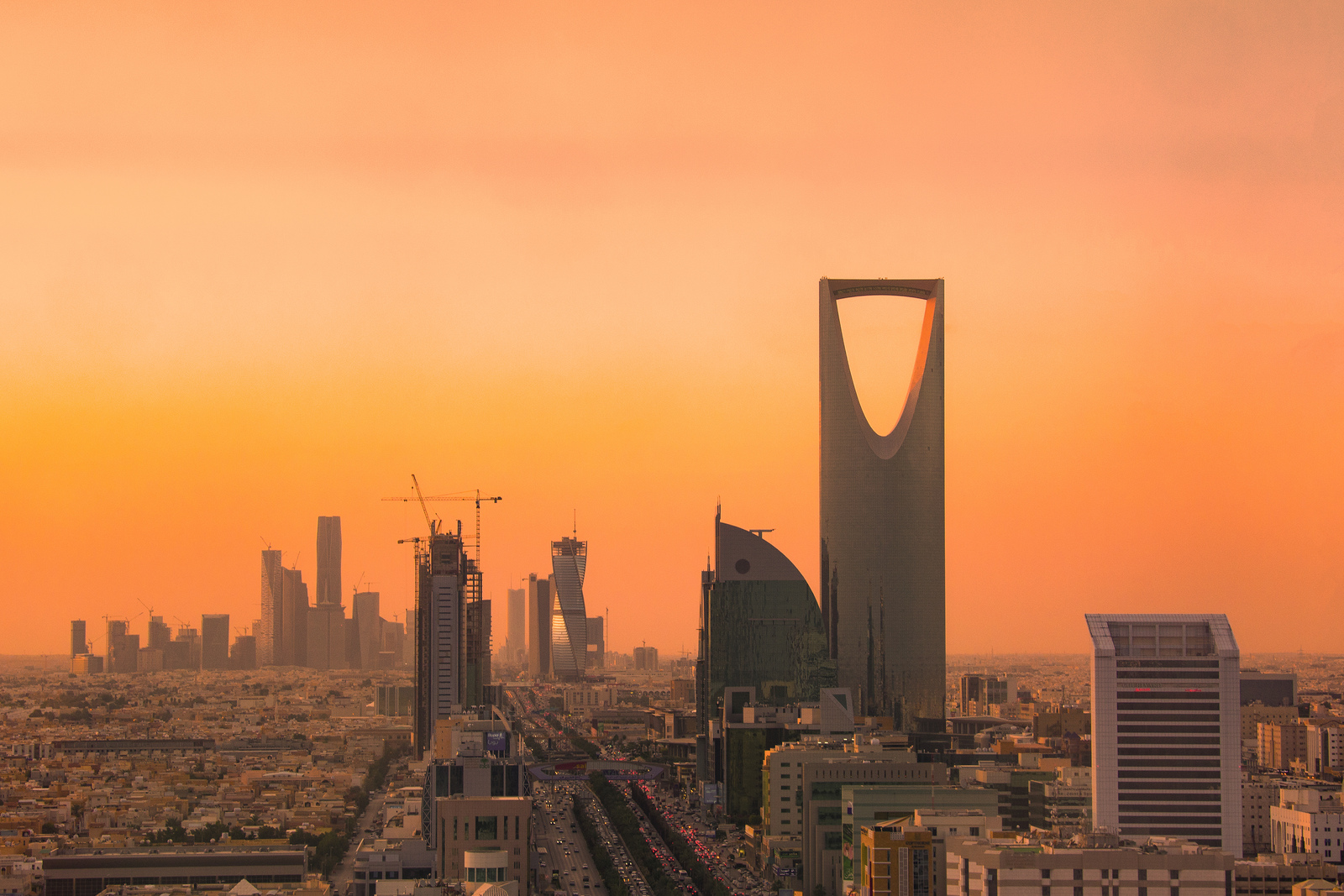
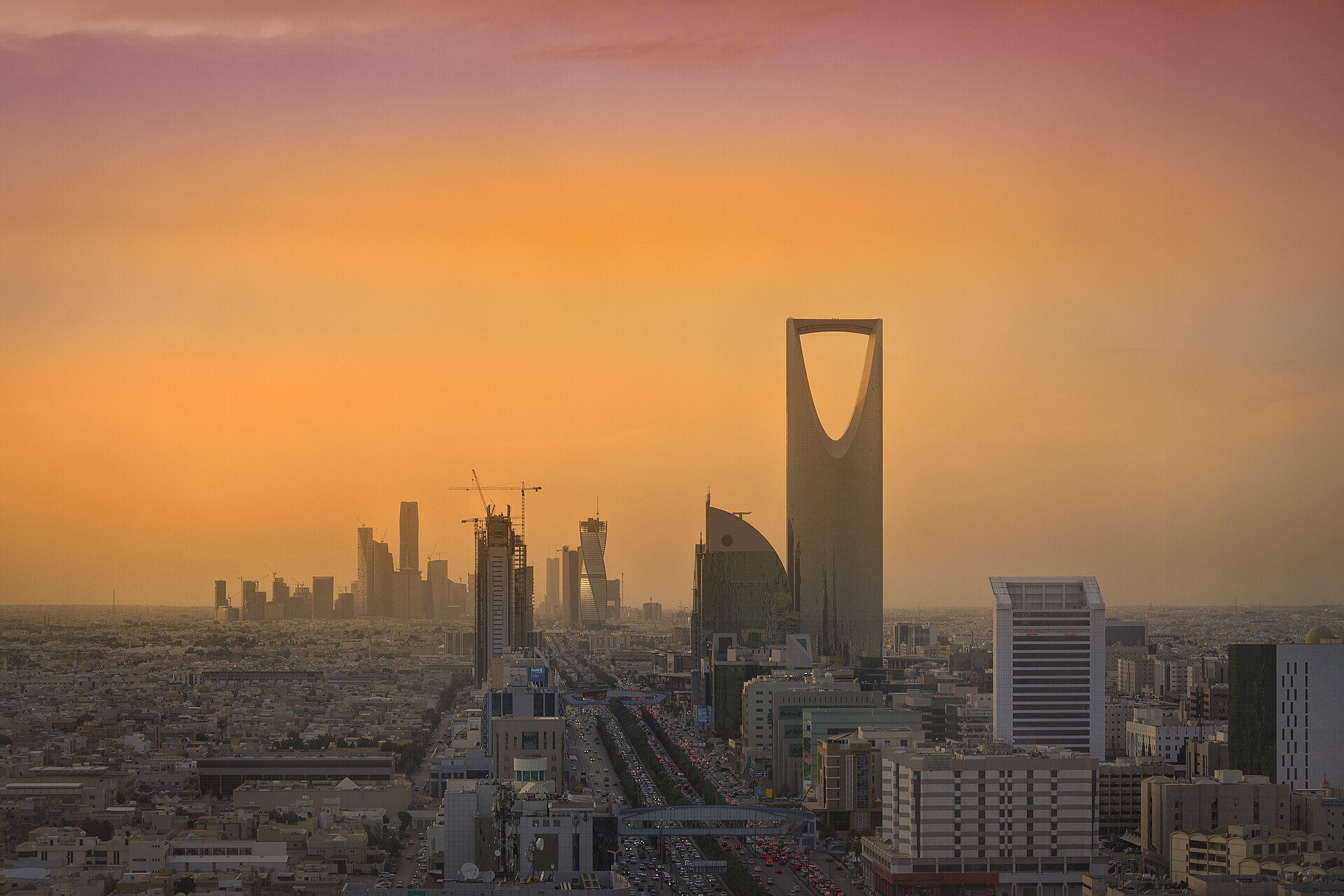
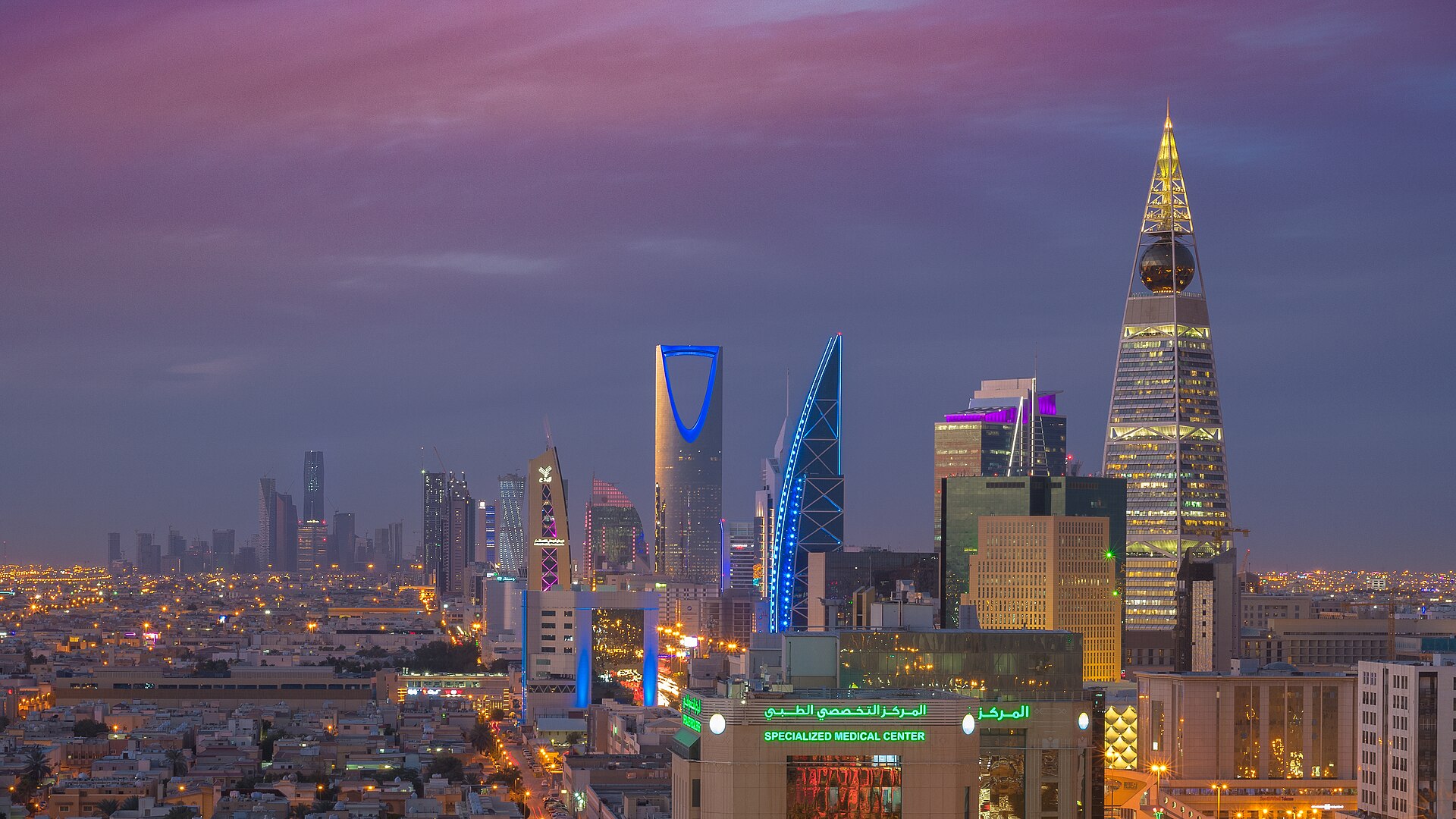
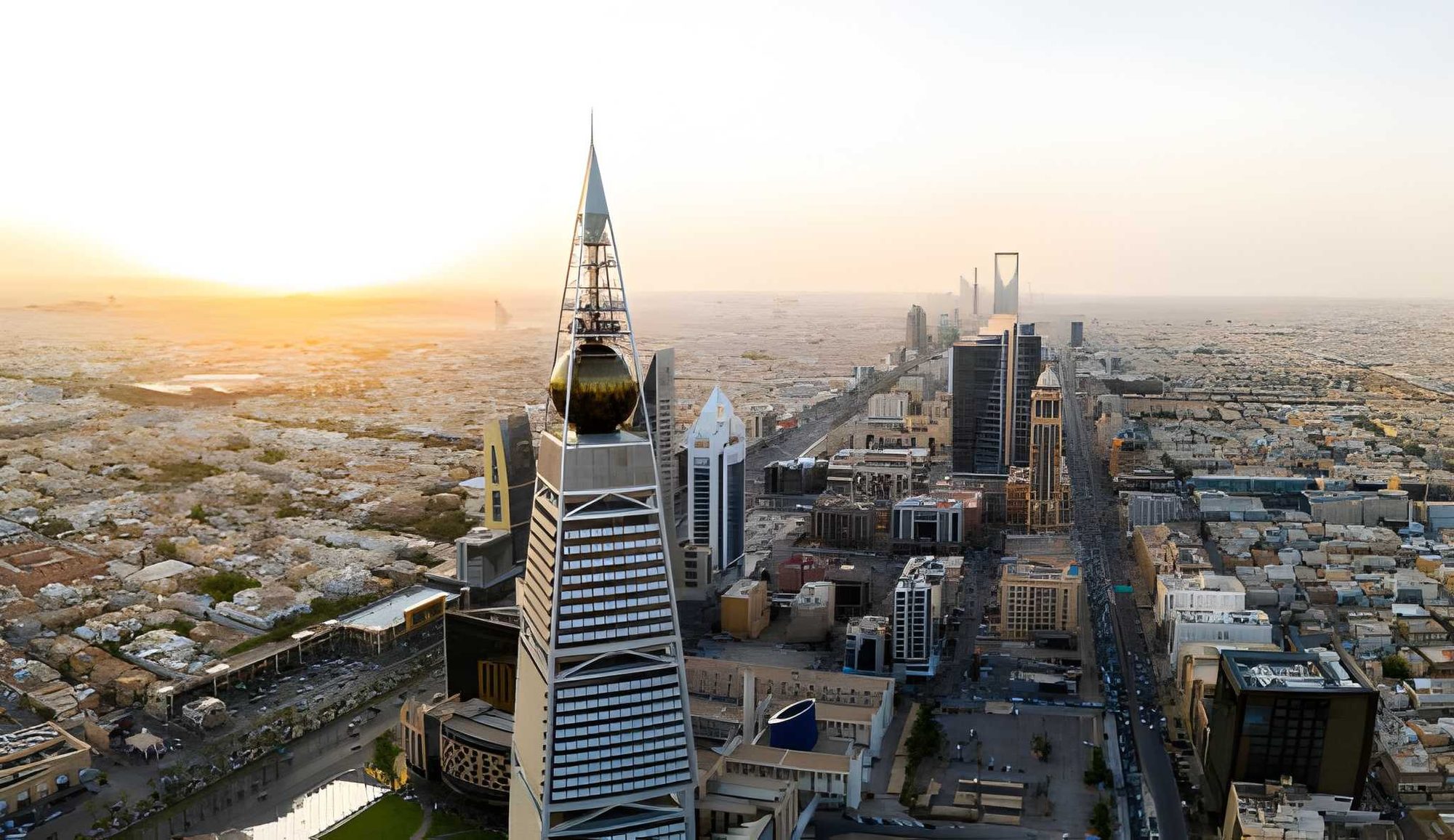
You are met at the airport and driven to your hotel. Riyadh is the country's main air hub, so it is usually the arrival point whether or not it is the reason for the trip. The rest of the day is free, and the driving inside the city, where distances are long, is all done for you from here on.
The founding sites
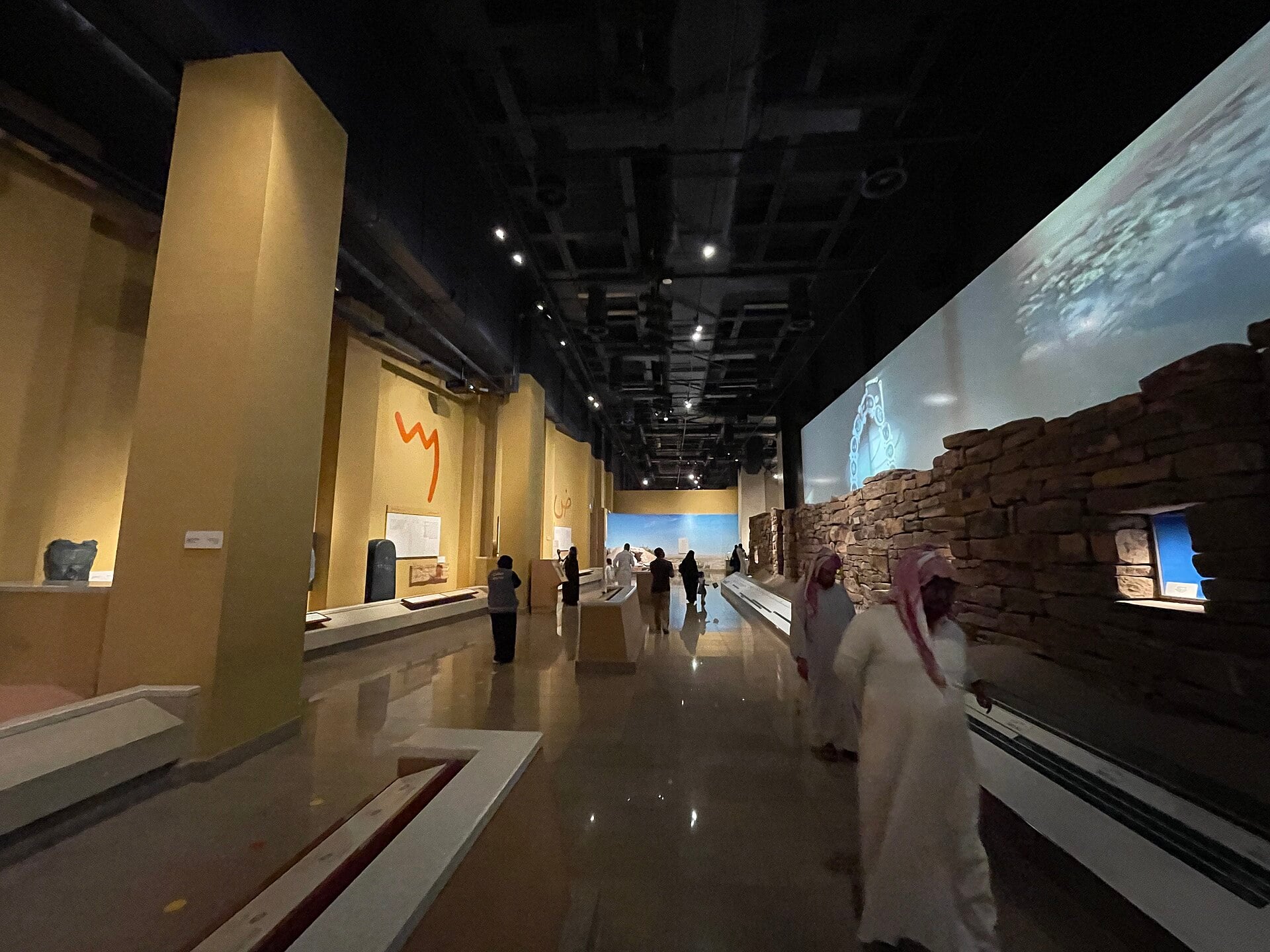
The National Museum of Saudi Arabia first, in the King Abdulaziz Historical Centre. Its halls run in order, from geology and pre-Islamic Arabia through the life of the Prophet and the successive Saudi states to the unification, so one visit covers the whole span without doubling back. This is the reason the museum is on day two rather than day nine: AlUla, Diriyah and the Hejaz are all easier to read after it. Then Al Masmak in the old centre, the mud-and-clay fort with four watchtowers and a single studded door where the capture of the city in 1902 began the modern state.
Diriyah and Wadi Hanifa
Twenty minutes out of the centre, At-Turaif was the capital of the first Saudi state and has been a UNESCO World Heritage Site since 2010. The Emirate of Diriyah ran from 1727 to 1818 and this was its seat: palaces, a mosque and defensive walls, all mud brick in the Najdi style, on the edge of the Wadi Hanifa valley. Restored and opened as a museum quarter, it is walked through rather than looked at over a fence. Wadi Hanifa itself runs 120 kilometres through the capital directly below, reclaimed from a dumping ground into a green corridor of paths, gardens and water channels, and the two are done together.
Fly to AlUla
A morning flight across to AlUla. The valley was settled for thousands of years because it has water, and it sat on the incense road running north out of southern Arabia, which is why four distinct sites lie within a short drive of each other here. The afternoon starts at AlUla Old Town, mud-brick houses built from the 12th century behind fourteen gates, with a fort of around the 10th century standing 45 metres above them. The town opens in the morning but comes alive after 3pm. The day ends at Elephant Rock, 52 metres of sandstone weathered into an elephant shape, which goes deep red as the light drops.
Hegra
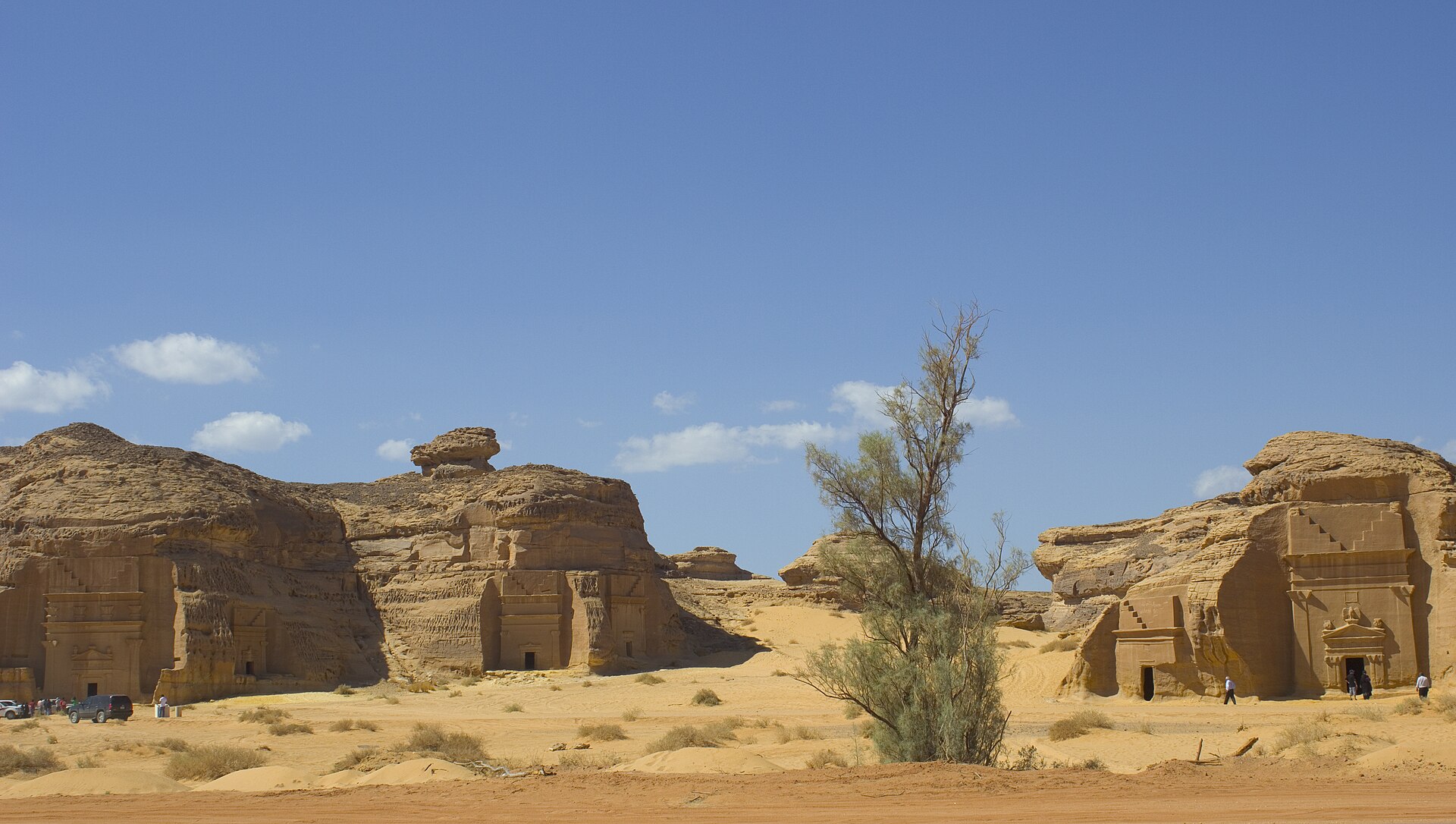
The full day at Hegra, the largest conserved Nabataean site south of Petra and the first property in Saudi Arabia inscribed on the UNESCO World Heritage List. More than 110 monumental tombs are cut into the sandstone, most with decorated facades, dating from the 1st century BC to the 1st century AD, with around 50 pre-Nabataean inscriptions and cave drawings alongside them. Access is by guided tour with an AlUla Rawi, travelling between the tomb clusters by vehicle, and the booking is made before you travel because daily numbers are limited. The reconstruction of Hinat, excavated here in 2008, is at the visitor centre.
Dadan and Jabal Ikmah
Dadan in the morning: capital of the Dadanite and Lihyanite kingdoms more than 2,000 years ago, its tombs cut almost 50 metres up the cliff face above the oasis, two of them guarded by carved lions. Excavation is ongoing. Then Jabal Ikmah, a canyon carrying more than 300 inscriptions cut into the rock on both sides of a narrow valley, the largest concentration of Dadanitic and Lihyanite writing in the world, and on UNESCO's Memory of the World Register for documentary heritage. The walk is short and level and there is no ticket. The afternoon is left open, which in AlUla means the light.
On to Madinah
You travel on to Madinah and check in. The city is one of the two holiest in Islam and it welcomed the Prophet Muhammad, peace be upon him, after the Hijrah, and its rhythm follows prayer times rather than opening hours. The afternoon is kept light so you can take that pace rather than fight it. Where a site is restricted to Muslims, this is set out in your plan before you arrive.
Madinah, then the Haramain line to Jeddah
The morning is given to the city, which sits on volcanic ground unlike anywhere else in the Hejaz: historic neighbourhoods, date farms, museums, Uhud mountain and the old lava fields. In the afternoon you take the Haramain high-speed line down to Jeddah and check in on the coast. If the timing works, Al-Balad, the old merchant quarter on the World Heritage List since 2014, is worth the early evening: coral-stone tower houses faced in roshan, the carved wooden bay windows, much of it propped and under restoration.
Taif
A day up in the Sarawat mountains at Taif, reachable from Jeddah and cool where the lowland is not. Roses are the town's real industry: growers return to the fields each December and about 55 days later the petals are picked and distilled into rose water and perfume oil, and the annual Taif Rose Festival is held at Al Rudaf Park. The drive up Al Hada Mountain is the other half of the day, on a road in use for a thousand years and known traditionally as Darb Al-Jammalah, the caravan way, with a cable car running down to Al-Kar Tourist Village. You return to Jeddah in the evening. The route does not enter Makkah.
Departure
You are driven to the airport in Jeddah for the flight home. Late check-out and luggage storage are arranged where the flight is in the evening, and your driver stays with you to the terminal.
What is included
- Nine nights' accommodation with daily breakfast
- Private air-conditioned vehicle with driver in every city, for transfers and sightseeing
- English-speaking guide on all sightseeing days
- Domestic flights and Haramain high-speed train tickets as set out in the itinerary
- The guided Hegra tour with an AlUla Rawi, booked in advance
- Site entry and permits where these are required
- Meet and assist at each airport and station on the route
- Bottled water in the vehicle
- A 24-hour contact number for the duration of the trip
What is not
- International flights to and from Saudi Arabia
- The Saudi entry visa, which is applied for through the official government portal
- Travel insurance
- Lunches, dinners and drinks unless stated in the itinerary
- Tips and personal spending
The places on this trip
Send us your dates
We come back with the itinerary written out and one clear cost.