The south-west corner of Saudi Arabia reads nothing like the rest of the country. Abha sits high in the Asir mountains where the escarpment catches monsoon cloud, so the ground is green, terraced and forested with juniper; nine days later you finish on a coral archipelago in the Red Sea.
Between the two, the route crosses to Najran on the Yemeni border, where a pre-Islamic city is still readable on the ground and the mud-brick architecture is closer to Yemeni building than to Najdi, and then on to the coast for the ferry out to the Farasan Islands.
It is built for photographers and for anyone who wants the parts of the country other itineraries skip. Very few visitors reach Najran, and the pace reflects that: unhurried days, with the light at either end of the day protected.
Day by day
Arrive Abha
Abha has its own airport. You are met and driven up into the town, which is high enough in the mountains to stay cool when the rest of the country is not. Summer is the high season here, the reverse of everywhere else in Saudi Arabia. The evening is free.
The escarpment and Asir National Park
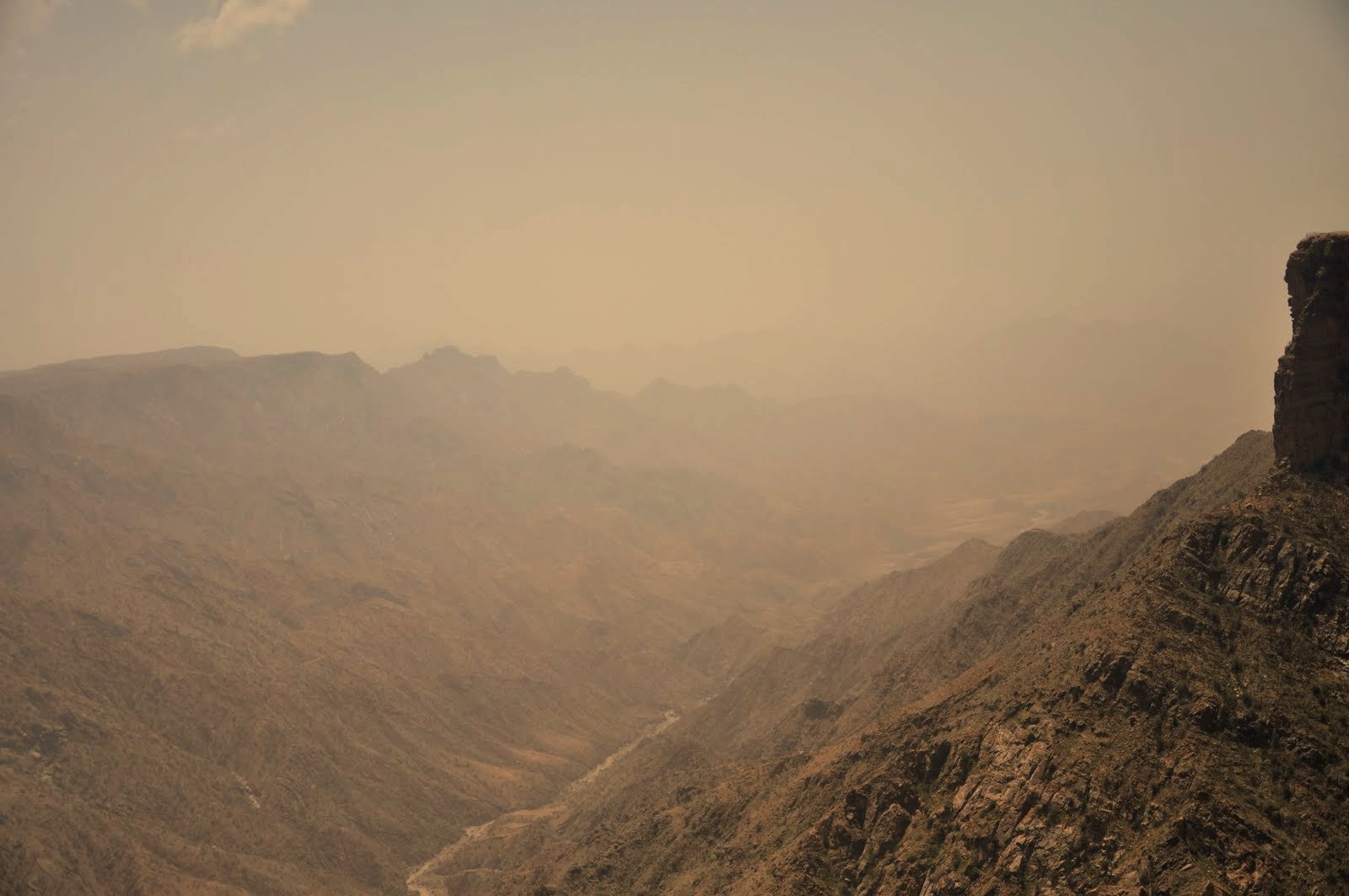
A day on the escarpment: the cable cars that run down it, the trails of Asir National Park, and Al Habala Park, named for the rope ladders once used to reach the village on the cliff below. Al Soudah, the highest peak in the country, is one of the Aseer sights reached from Abha. The Asir escarpment is why Saudis themselves travel here in summer.
Down to Rijal Almaa
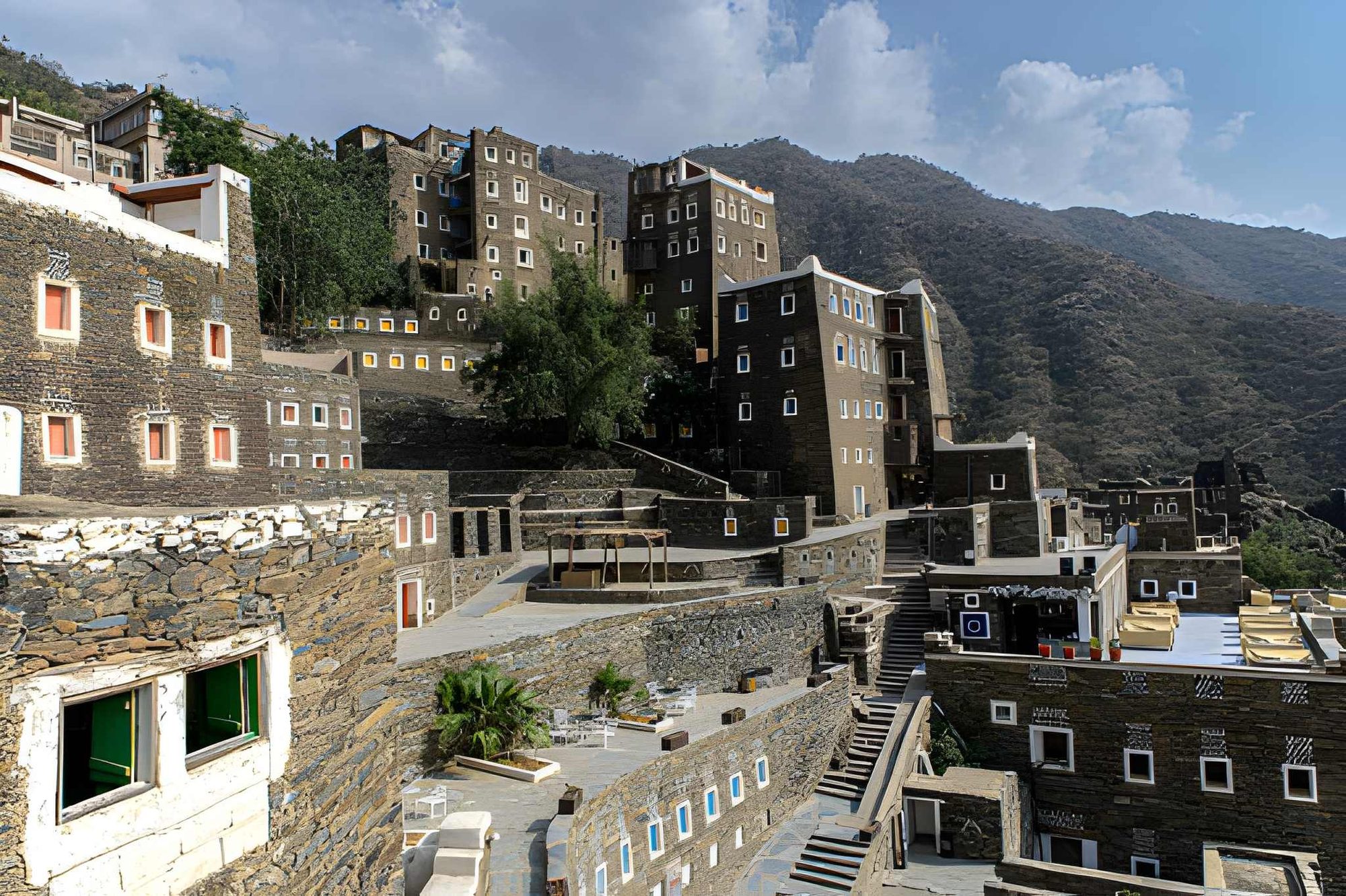
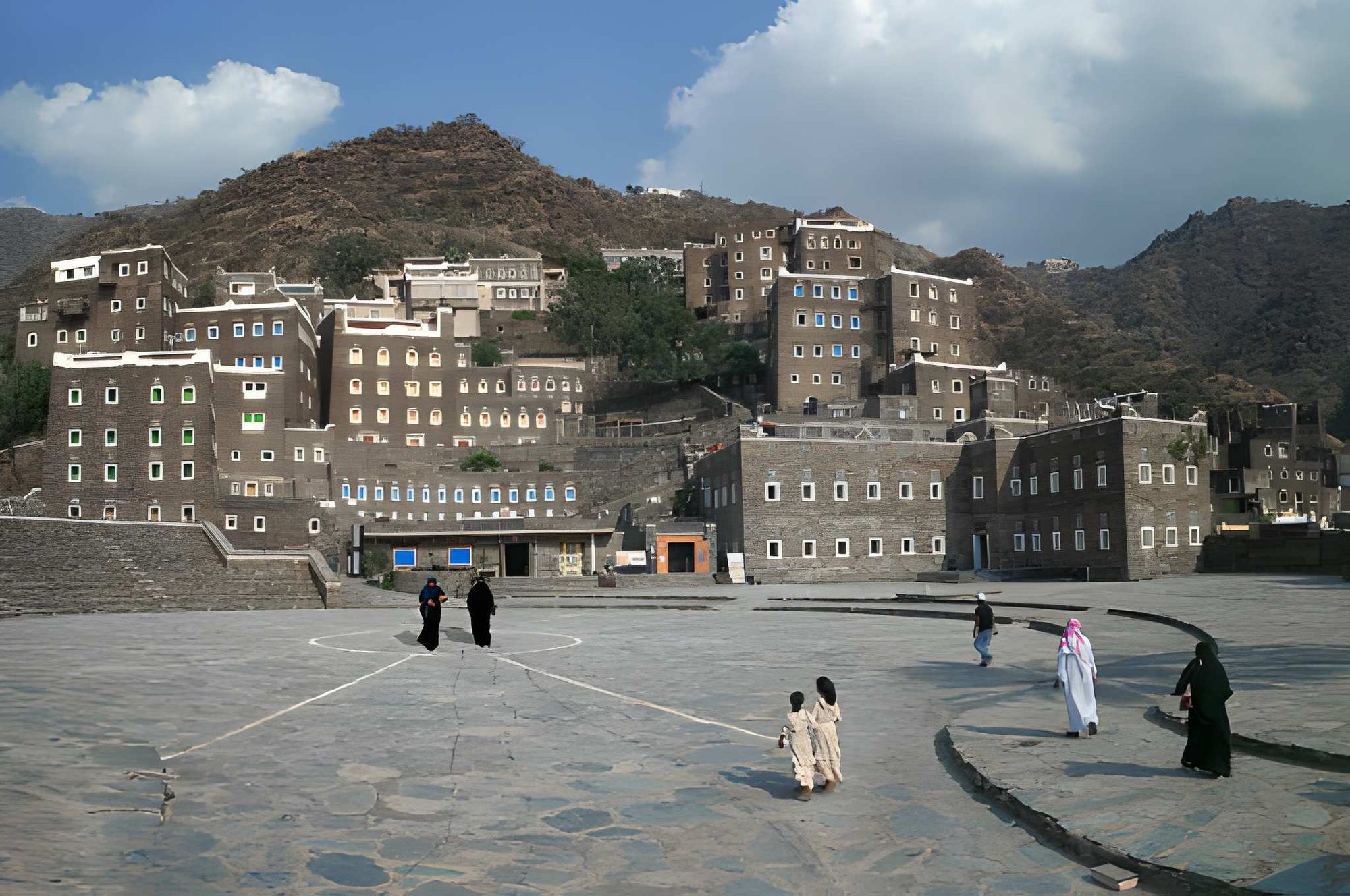
The escarpment road down to Rijal Almaa, a village of stone tower houses about 45 kilometres from Abha. The houses are dark stone laid in courses with lines of white quartz set into the walls to shed rain, stacked up the mountainside so tightly the village reads as one structure from the valley floor. Inside, the walls carry Al-Qatt Al-Asiri, geometric bands of bright colour painted by the women of the house straight onto the plaster; UNESCO added the practice to its intangible heritage list in 2017. Several houses are open as a museum, and there is a visitor centre at the village. The drive down is a large part of why people make the trip.
On to Najran
You travel on to Najran, out of the mountains and into the country between mountains, oases and desert. Najran's own architecture is distinct: tall mud-brick houses with white-painted crenellations, closer to Yemeni building than to the Najdi style of central Arabia. You arrive in the afternoon and walk the old quarter around the Emirate Palace.
Al-Okhdood
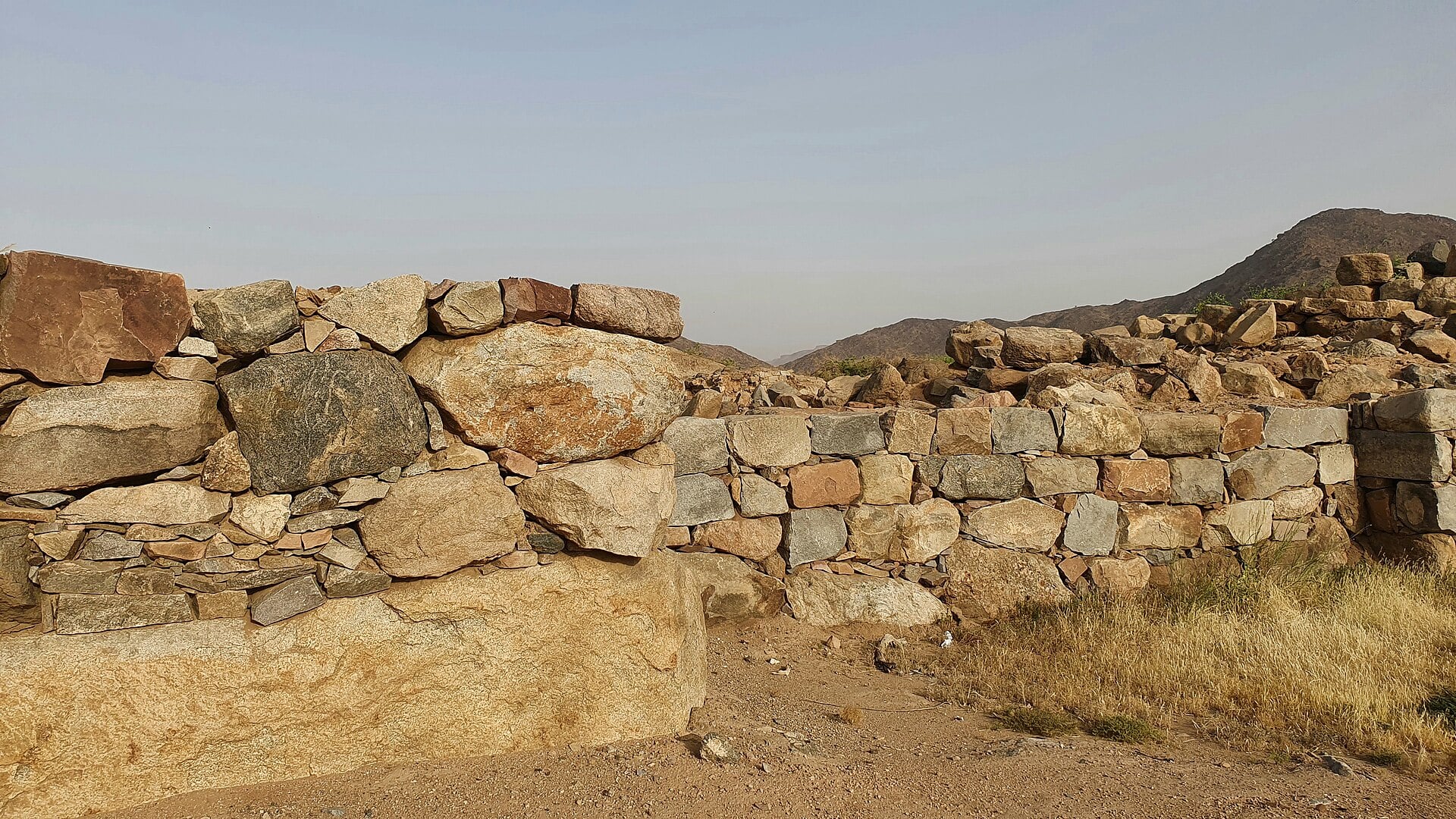
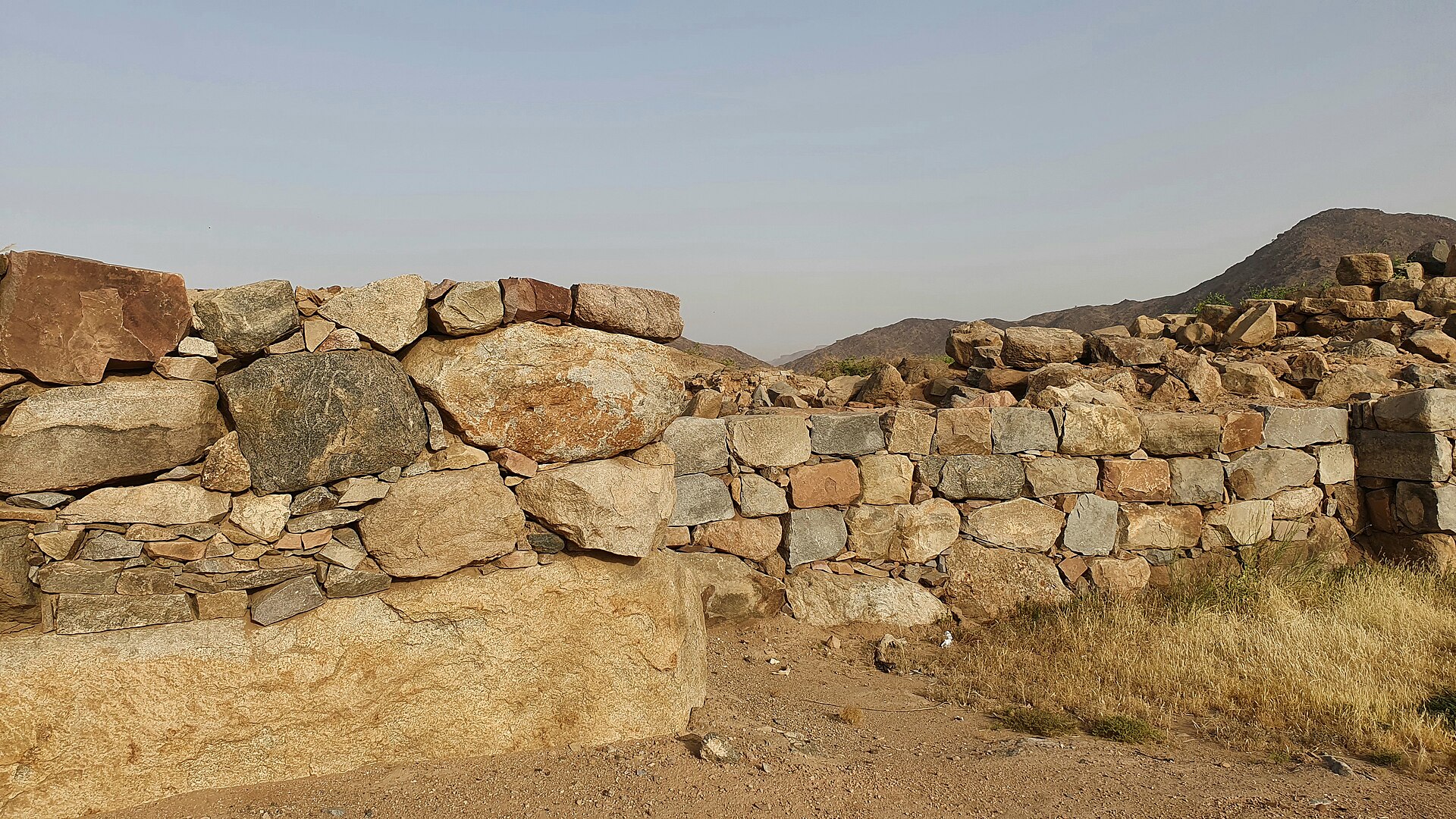
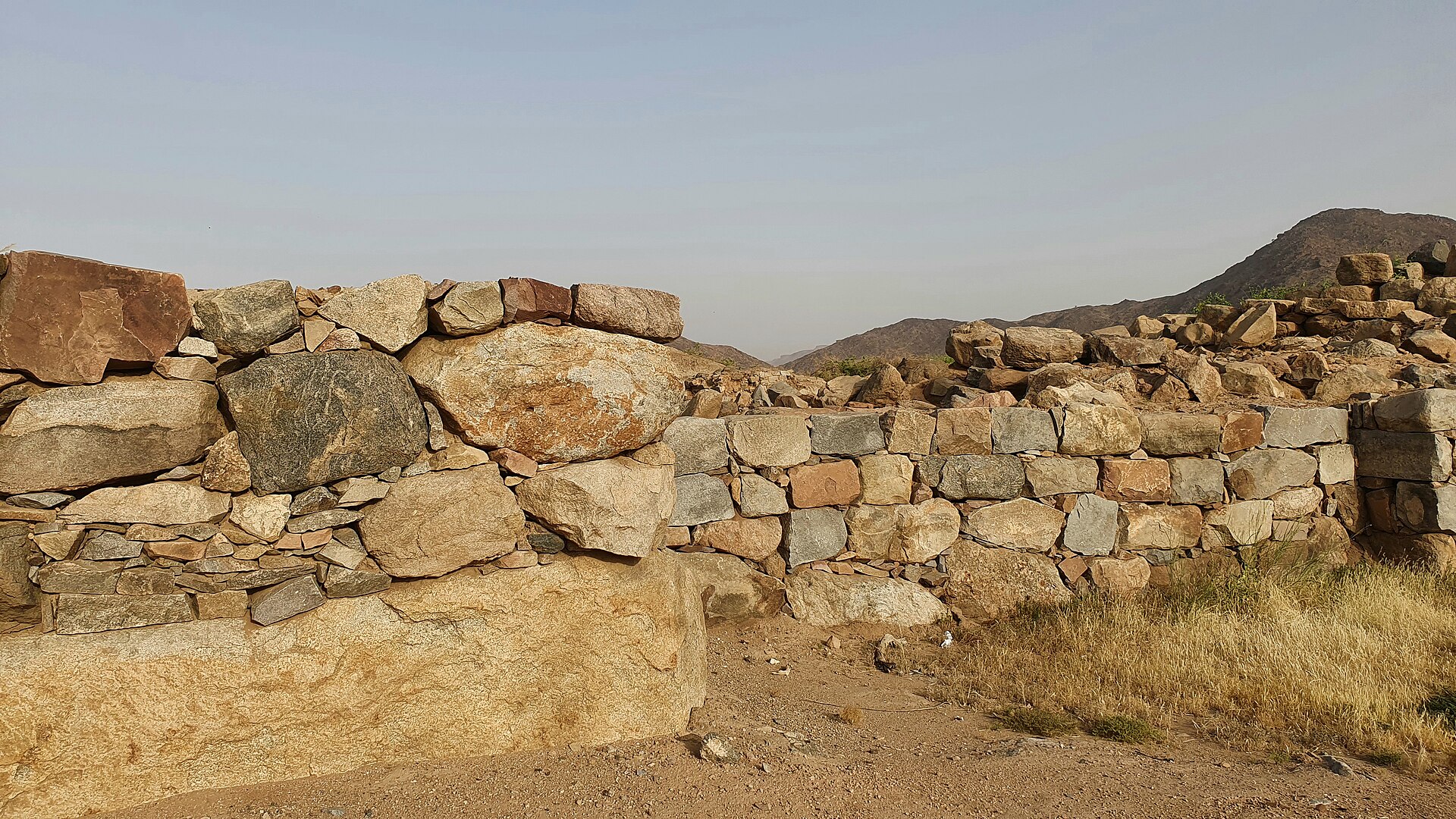
Al-Okhdood is a walled pre-Islamic city in Najran, close enough to the surface that the street plan is still readable. It stood on the caravan route that carried frankincense north out of southern Arabia. What survives is the outline: stone walls, foundations, and blocks carved with inscriptions and animal figures, along with the Rahha rock used for grinding wheat. There is no entry ticket. In the afternoon, the Najran Regional Museum holds the finds taken off the site.
The wells at Hima
North of the city, Hima is a cluster of desert wells surrounded by rock inscriptions, added to the UNESCO World Heritage List in 2021. The wells have supplied water on the caravan route for roughly 7,000 years and travellers left a record on the rocks the whole time, in Musnad, Aramaic-Nabataean, South Arabian, Greek and Arabic scripts, so one site carries the peninsula's writing systems in sequence. The wells still hold water.
On to Jazan and out to Farasan
You travel on to Jazan, a port city stretching more than 200 kilometres along the southern tip of Saudi Arabia's Red Sea coast. In the afternoon you take the ferry out to the Farasan Islands, so the crossing is planned into the day rather than left to chance. You stay on the main island.
The Farasan Islands
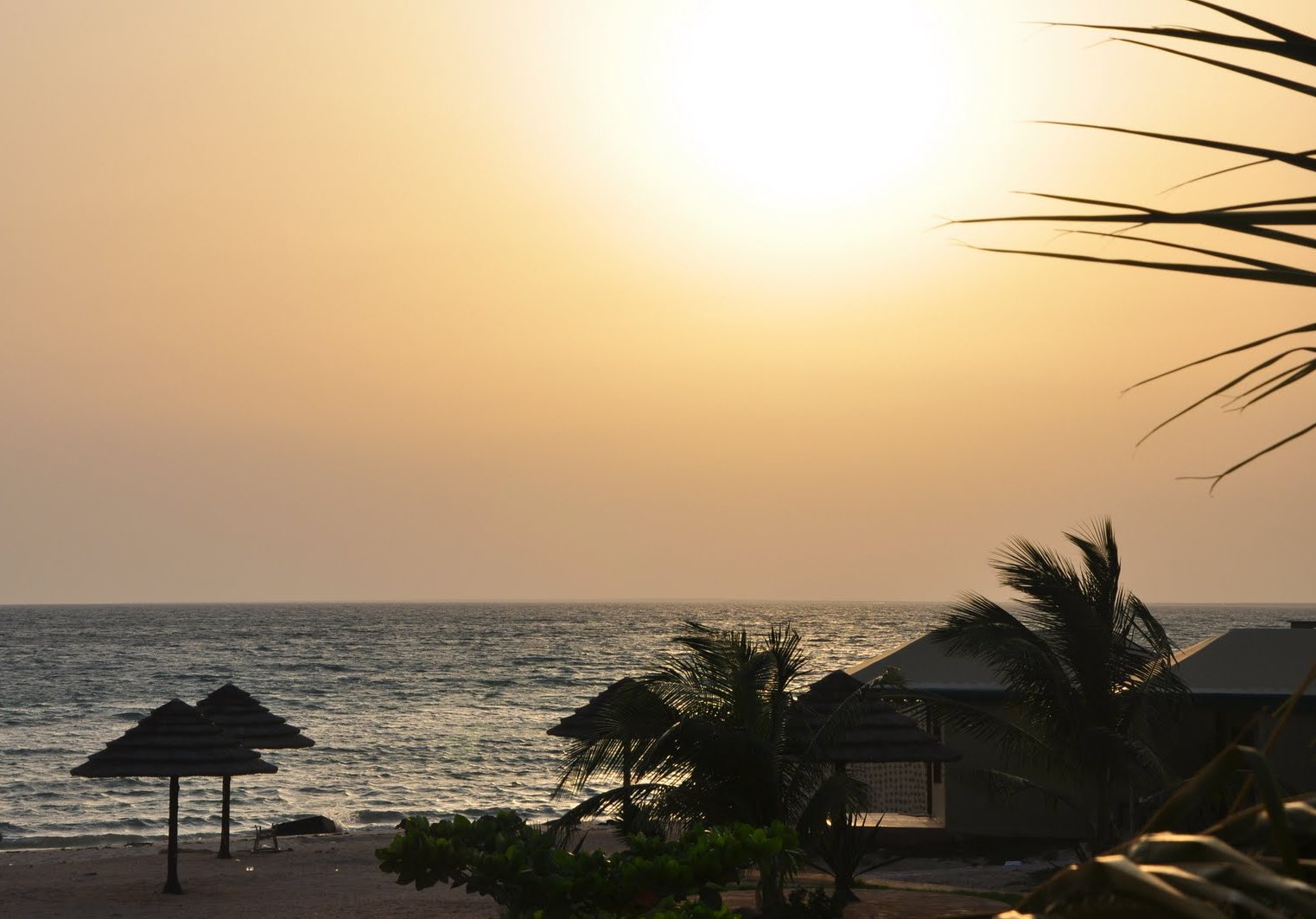
A full day on the archipelago, recognised under UNESCO's Man and the Biosphere programme as Saudi Arabia's first natural reserve of its kind. Turquoise water surrounds more than 200 islands and coral islets, with reef systems that get very little pressure; dolphins, sea turtles, migratory birds and the Farasan gazelle are all here. There is Ottoman and older building on the main island. The return ferry runs in the afternoon and you spend the last night back in Jazan.
Depart
A free morning depending on your flight, then a transfer for your onward journey.
What is included
- Eight nights of accommodation across four bases
- Private vehicle and driver for the whole route
- English-speaking guide at every site on the itinerary
- Return ferry crossings to and from the Farasan Islands
- All site entries listed in the itinerary
- Airport transfers on arrival and departure
- Daily breakfast
- A contact on the ground for the length of the trip
What is not
- International and domestic flights
- Saudi entry visa, applied for through the official portal
- Lunches and dinners other than those stated
- Travel insurance
- Personal spending and gratuities
The places on this trip
Send us your dates
We come back with the itinerary written out and one clear cost.